How Did China Secretly Kill Sri Lanka? Understanding China’s Master Plan, Ep 1/3 Case Study
TL;DR
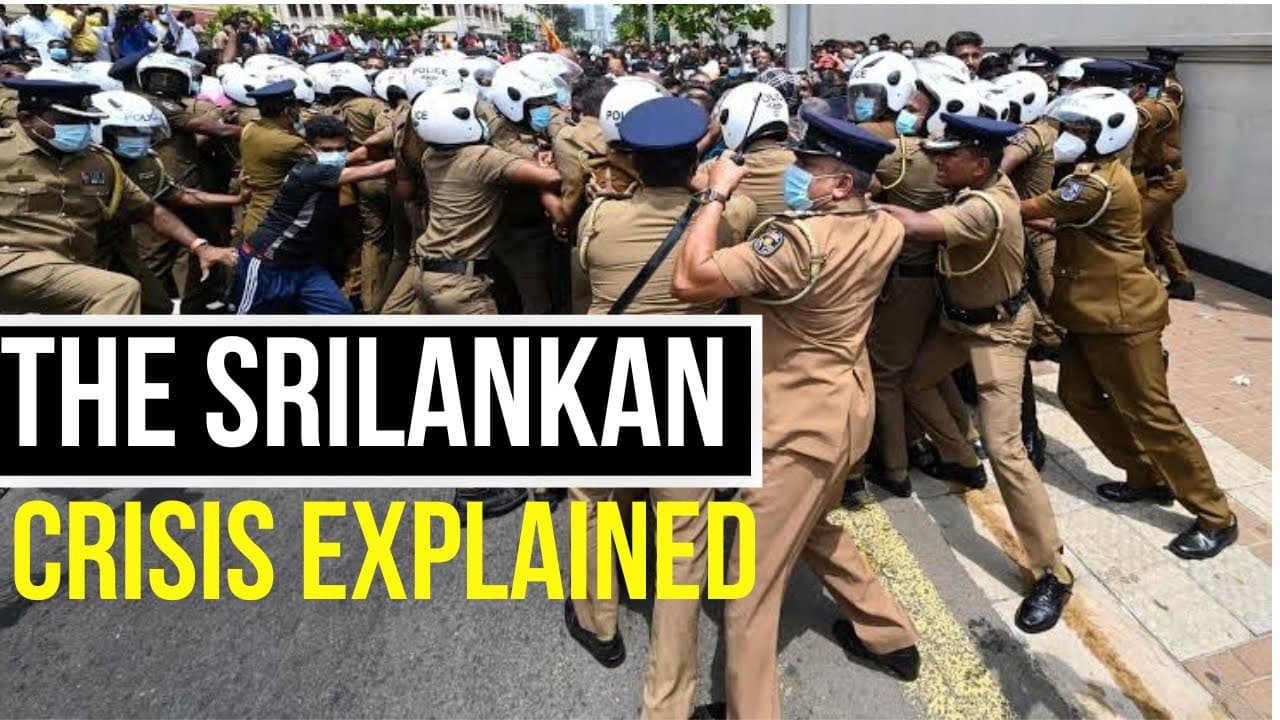
Sri Lanka fell into economic crisis after ethnic discrimination fueled a 26-year civil war, public resources were depleted, and risky infrastructure borrowing intensified repayment pressure. The country took loans worth $45 billion from various countries, including more than $8 billion from China, while inflation reached 17.5 percent. Read on to understand how citizenship policies, the LTTE conflict, Hambantota Port, and Chinese financing became connected.
Transcript
the south asian country is suffering severe shortages of essential goods high inflation and crippling power blackouts the country took loans worth 45 billion dollars from various countries including more than 8 billion dollars from china all 26 ministers of the cabinet quit all together just late last night high inflation shortage of basic essentia... Read More
Key Insights
- Sri Lanka’s political and economic instability is traced partly to citizenship policies that excluded many Tamils through residence and income requirements, leaving a large population without citizenship, jobs, property rights, or equal protection in the country where they lived.
- The LTTE emerged from escalating discrimination and violence against Tamils, seeking an independent Tamil state in Sri Lanka’s northern and eastern regions. Its confrontation with the government developed into a prolonged and destructive civil war involving both violent and nonviolent efforts.
- The civil war severely weakened Sri Lanka before its later debt crisis by consuming public resources, damaging the economy, and costing many lives. The account argues that decades that could have supported national development were instead spent fighting an internal conflict.
- Economic recovery depends on identifying a distinctive national asset, using it to create value for international customers, and reinvesting foreign earnings into development. The account identifies Sri Lanka’s geographic position and Hambantota Port as potential foundations for such a strategy.
- Hambantota Port is strategically valuable because it lies near important international shipping routes and offers deep-water access, storage space, and generally dry weather. These characteristics could allow large vessels to use the port efficiently and support cargo and fuel-related commercial activity.
- Chinese project financing is described as requiring recipient countries to award construction work mainly to Chinese companies. Under this arrangement, much of the borrowed money returns to Chinese contractors and workers, while the borrowing country remains responsible for the principal and interest.
- Chinese lending terms are portrayed as more demanding than conventional development financing because they combine higher interest, shorter repayment periods, and cash deposits held in creditor-controlled accounts. These conditions can reduce a financially weak borrower’s flexibility when revenue projections are not achieved.
- The transfer of Hambantota Port is presented as the control stage of the lending strategy. After Sri Lanka struggled with repayment, China obtained a long lease over the port and additional surrounding land, turning financial exposure into influence over a strategic asset.
- "the country took loans worth 45 billion dollars from various countries including more than 8 billion dollars from china" (0:06)
- "inflation has hit a horrific 17.5 percent school exams have been cancelled due to lack of ink and paper cabinet ministers have resigned" (0:36)
- "this organization was specifically aimed at creating an independent state for the tamils in sri lanka in the northern and the eastern part of the country" (3:33)
- "but finally the civil war came to an end when prabhakaran was killed by the sri lankan army in may 2009" (4:50)
Install to Summarize YouTube Videos and Get Transcripts
Explore YouTube Video Summarizer or Get YouTube Transcript Extractor
Questions & Answers
Q: What caused Sri Lanka’s economic crisis?
The case study connects the crisis to ethnic discrimination, a prolonged civil war, depleted public resources, and risky infrastructure borrowing. It argues that demanding loan terms increased repayment pressure when expected economic gains failed to cover Sri Lanka’s obligations.
Q: How much did Sri Lanka borrow from China and other countries?
Sri Lanka took loans worth $45 billion from various countries. More than $8 billion of that amount came from China.
Q: How did the Ceylon Citizenship Act affect Tamils in Sri Lanka?
The act required 10 years of uninterrupted residence and income above a stipulated level. Only one lakh Tamils received citizenship, while seven lakh people were no longer citizens and over three lakh Tamils were deported back to India.
Q: Why did Velupillai Prabhakaran form the LTTE?
Velupillai Prabhakaran formed the Liberation Tigers of Tamil Eelam, or LTTE, amid increasing discrimination and violence against Tamils. The organization sought an independent Tamil state in Sri Lanka’s northern and eastern regions.
Q: How did the civil war weaken Sri Lanka?
The conflict lasted 26 years, from 1983 to 2009, and ended after Prabhakaran was killed by the Sri Lankan army in May 2009. The case study says the war cost the country $200 billion, consumed resources, caused extensive loss of life, and left the economy in ruins.
Q: Why was Hambantota Port strategically important to Sri Lanka?
Hambantota Port lies near major international shipping routes and offers deep-water access, storage space, and generally dry weather. Sri Lanka expected these advantages to attract cargo, tanker, and fuel-related business and generate foreign revenue.
Q: How did Chinese financing for Hambantota Port work?
The account says Chinese financing required much of the construction work to go to Chinese companies. Much of the borrowed money therefore returned to Chinese contractors and workers, while Sri Lanka retained the principal and interest obligations.
Q: How did China gain control of Hambantota Port?
According to the case study, Sri Lanka struggled to repay the Chinese financing used for the port. Hambantota Port and surrounding land were subsequently transferred through a long-term lease.
Summary & Key Takeaways
-
Sri Lanka’s deterioration began with policies that excluded many Tamils from citizenship, employment, property, and political rights. Discrimination and violence encouraged armed resistance, including the rise of the LTTE. The resulting civil war consumed resources, caused extensive loss of life, and prevented the country from concentrating on economic development for decades.
-
After the civil war, Sri Lanka needed foreign capital to rebuild and develop valuable national assets. Hambantota Port appeared promising because of its proximity to major shipping routes, deep-water facilities, storage capacity, and favorable weather. The government therefore pursued port development despite lacking enough domestic capital to finance the project independently.
-
The account portrays Chinese infrastructure lending as a cycle in which borrowed funds return to Chinese contractors and workers while the recipient retains the debt. It says demanding interest, compressed repayment schedules, and creditor-controlled deposits increase vulnerability. When Sri Lanka struggled to repay, Hambantota Port and surrounding land were transferred through a long lease.
Read in Other Languages (beta)
Share This Summary 📚
Summarize YouTube Videos and Get Video Transcripts with 1-Click
Try YouTube Summary with ChatGPT & Claude or YouTube Transcript Generator
Explore More Summaries from Think School 📚




Summarize YouTube Videos and Get Video Transcripts with 1-Click
Try YouTube Summary with ChatGPT & Claude or YouTube Transcript Generator