How Does Childhood Trauma Affect the Brain and Body Across a Lifetime? The ACEs Study
TL;DR
Childhood trauma can have lasting effects on physical health, mental health, relationships, work, behavior, and stress regulation. In the ACEs study of more than 17,000 adults, 64% reported at least one adverse childhood experience, and greater exposure correlated with greater adult health risks. Supportive adults, trauma-informed care, therapy, education, and regulation skills can support recovery. Read on to understand the risks and paths toward resilience.
Transcript
Childhood trauma can have a direct, lasting impact on physical health, mental health, and the ability to function in society. But we didn't have any idea how much impact it had until the late 1990s, when a curious doctor made a groundbreaking discovery. Dr. Felitti led an obesity clinic at Kaiser Permanente. In the late 1980s he observed a stra... Read More
Key Insights
- The ACEs study began after Dr. Felitti noticed that many obesity-clinic patients regained weight or dropped out after successful weight loss. Patient interviews revealed substantial histories of childhood trauma, leading him to consider whether obesity sometimes functioned as a coping mechanism for unresolved trauma.
- Adverse childhood experiences are grouped into abuse, neglect, and household dysfunction. The original ten categories included physical, emotional, and sexual abuse, physical and emotional neglect, domestic violence, substance abuse, untreated mental illness, parental separation or divorce, and parental incarceration.
- Childhood adversity was common among the more than 17,000 adults surveyed by Dr. Felitti and the CDC. The study reported that 64% had experienced at least one ACE, while 17.7%, roughly one in six, had experienced at least four.
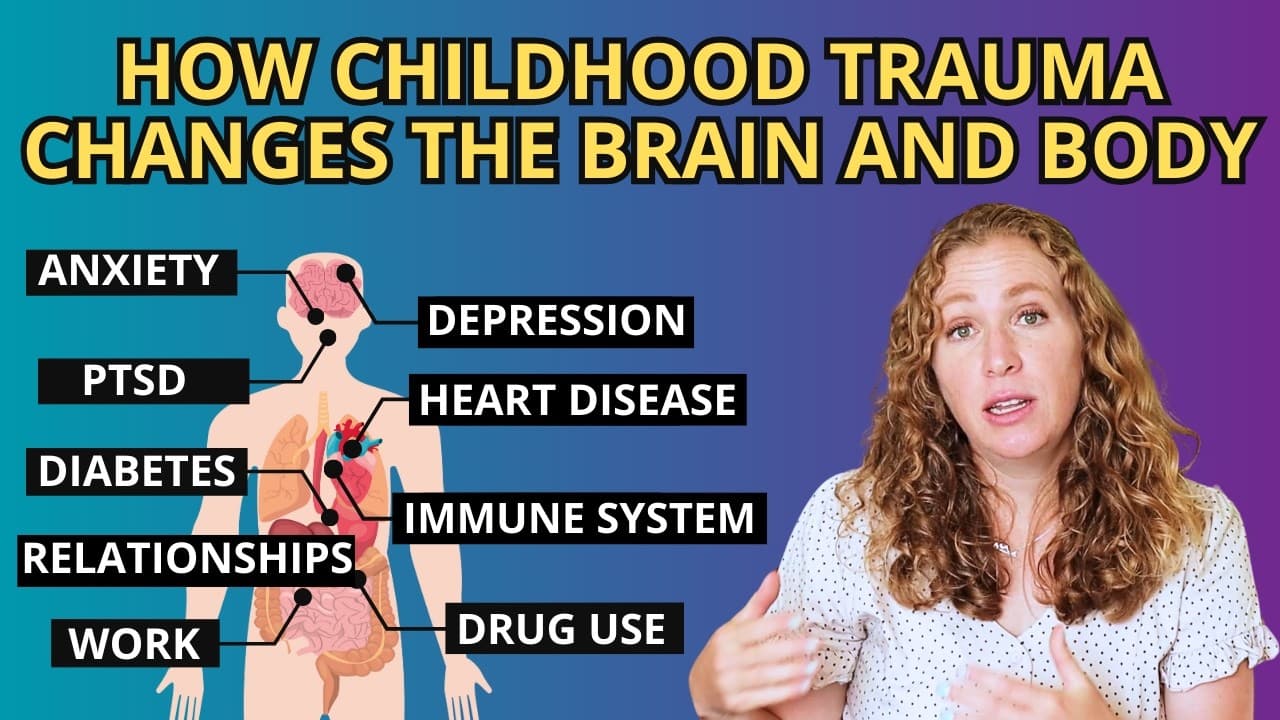
- Higher ACE scores are correlated with greater risks across physical health, mental health, behavior, relationships, education, work, and longevity. Reported outcomes included chronic disease, obesity, diabetes, heart disease, autoimmune conditions, substance abuse, depression, anxiety, PTSD, risky behavior, and early death.
- Chronic childhood stress can dysregulate the HPA axis, the system responsible for coordinating the body's stress response. Hyperarousal can maintain high stress-hormone activity and damage cardiovascular, immune, and digestive systems, while hypoarousal can resemble a freeze or shutdown state.
- Childhood trauma can alter the functioning of brain regions involved in fear, judgment, impulse control, memory, and stress assessment. The amygdala may become hyperactive, the prefrontal cortex may regulate emotions less effectively, and hippocampal changes may impair memory and cognitive function.
- Adversity is not inherently harmful when children have caring adults, adequate resources, and opportunities to recover their sense of safety. Support can activate the nervous system's calming response and help children process difficult experiences while developing resilience, confidence, and capability.
- Recovery from childhood trauma is possible through trauma-informed care, therapy, education, supportive experiences, and skills for nervous-system regulation. Schools, workplaces, doctors, and therapists can recognize trauma's effects, respond more appropriately, and support healing and post-traumatic growth.
Install to Summarize YouTube Videos and Get Transcripts
Explore YouTube Video Summarizer or Get YouTube Transcript Extractor
Questions & Answers
Q: What are adverse childhood experiences in the ACEs study?
Adverse childhood experiences, or ACEs, are potentially traumatic childhood experiences. The original study grouped 10 categories into abuse, neglect, and household dysfunction, including physical, emotional, and sexual abuse; physical and emotional neglect; domestic violence; substance abuse; untreated mental illness; parental separation or divorce; and parental incarceration.
Q: How common are adverse childhood experiences?
Among the more than 17,000 adults surveyed, 64% reported at least one ACE. The study also found that 17.7%, roughly one in six, had experienced at least four ACEs, although its participants were mostly white and middle class.
Q: How does childhood trauma affect physical health?
ACEs were correlated with higher risks of autoimmune conditions, heart disease, diabetes, obesity, cancer, and chronic heart, lung, or liver disease. The transcript states that people with six ACEs were twice as likely to have cancer and 15% more likely to have a chronic disease.
Q: How does childhood trauma affect mental health?
ACEs were associated with depression, anxiety, PTSD, suicide attempts, and other mental health concerns. The transcript reports a depression likelihood of around 12% for people without ACEs, compared with 35% for men and 66% for women who experienced ACEs, while an ACE score of six was associated with a 5,000% increase in suicide attempts.
Q: How does chronic childhood stress affect the nervous system?
Chronic childhood stress can dysregulate the HPA axis, which coordinates the body's response to threats. It may become overactive and produce hyperarousal with persistently elevated stress hormones, or underactive and produce a freeze-like state of hypoarousal.
Q: How can childhood trauma change the brain?
Childhood trauma can affect brain regions involved in fear, judgment, impulse control, memory, and stress assessment. The amygdala may become hyperactive, the prefrontal cortex may regulate decisions and emotions less effectively, and hippocampal changes may impair memory and cognitive function.
Q: Can people heal from adverse childhood experiences?
Recovery is possible through trauma-informed care, therapy, education, supportive experiences, grounding skills, and nervous-system regulation. Teachers, doctors, therapists, schools, and workplaces can recognize trauma's effects and respond in ways that support resilience and post-traumatic growth.
Q: Why do supportive adults matter after childhood adversity?
Supportive adults can help children process adversity, obtain resources, and regain a sense of safety. That support can activate the nervous system's calming response and help children develop resilience, confidence, and capability instead of remaining overwhelmed by recurring trauma.
Summary & Key Takeaways
-
The original ACEs study grew from Dr. Felitti's investigation of why obesity-clinic patients regained weight or left despite successful weight loss. Interviews revealed frequent histories of childhood trauma, prompting collaboration with the CDC and a survey of more than 17,000 adults about abuse, neglect, and household dysfunction during childhood.
-
The study found that adverse childhood experiences were widespread and correlated with chronic disease, mental health concerns, substance abuse, risky behavior, difficulties at school and work, relationship problems, and early death. Risk increased as ACE scores rose, showing that repeated adversity across multiple areas can have especially serious lifelong consequences.
-
Repeated childhood stress can dysregulate the HPA axis, leaving a person prone to hyperarousal or hypoarousal. Trauma can also affect the amygdala, prefrontal cortex, and hippocampus. Supportive adults can help children regain safety, while trauma-informed care, therapy, education, grounding skills, and supportive experiences can promote recovery and resilience.
Read in Other Languages (beta)
Share This Summary 📚
Summarize YouTube Videos and Get Video Transcripts with 1-Click
Try YouTube Summary with ChatGPT & Claude or YouTube Transcript Generator
Explore More Summaries from Therapy in a Nutshell 📚






Summarize YouTube Videos and Get Video Transcripts with 1-Click
Try YouTube Summary with ChatGPT & Claude or YouTube Transcript Generator