What Is Medical Trauma and How Does Medical PTSD Develop?
TL;DR
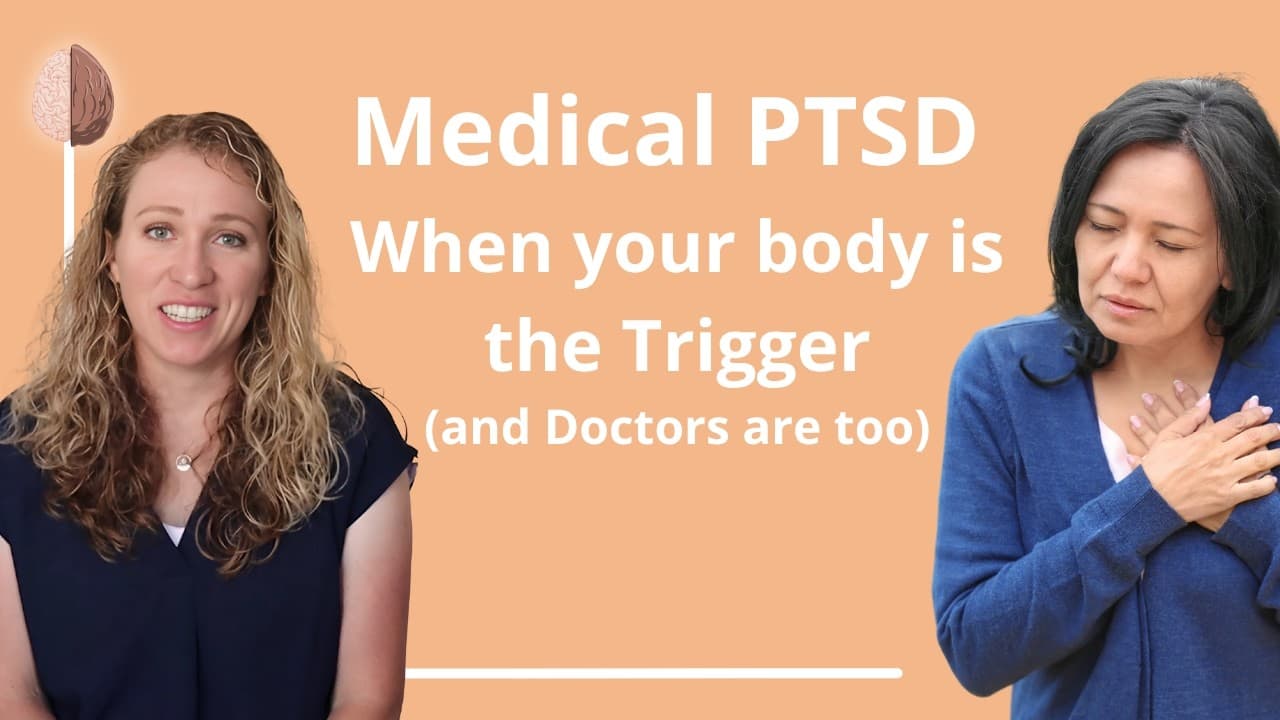
Medical trauma is psychological trauma that stems from a medical incident, and it can develop into PTSD when physical pain, loss of control, or betrayal of trust leave a person emotionally stuck. Because the body itself becomes the trigger, symptoms can persist, but recognizing them and seeking professional treatment supports healing.
Transcript
Emma: Okay. I know I'm not the only one who gets nervous about going to the dentist, and medical procedures can be scary and intense. They can even be traumatizing. In one of my recent group calls with the Therapy in a Nutshell members, I met Kathy and we had a Just totally terrifying. Emma: What Kathy described as medical trauma, which is psych... Read More
Key Insights
- Medical trauma is psychological trauma that stems from a medical incident, such as an emergency, accident, planned surgery, routine treatment, a new diagnosis like cancer, or dismissive and harmful medical professionals.
- Three critical factors make medical events more likely to lead to PTSD: physical pain or shock, loss of control, and betrayal of trust. Any one of them can leave a person feeling overwhelmed and vulnerable.
- Medical trauma is not its own diagnosis. It fits under the category of PTSD, and not everyone who has an intense medical event develops it, though acute stress disorder in the first weeks is common.
- PTSD requires four key symptom groups lasting at least four weeks after a threatening event: avoidance, re-experiencing, negative changes in mood, and reactivity with hyperarousal, causing severe distress or disruption to life.
- Enduring somatic threat is what makes medical PTSD unusual: the body becomes a trauma trigger that cannot be escaped. Scars, breathlessness, or a skipped heartbeat can bring back the original experience.
- Children are especially vulnerable to medical trauma because they often do not understand what is happening and are frequently restrained, which creates a deep sense of helplessness.
- Routine care can re-traumatize people. A primary care visit can recall an ICU stay, and a routine nasal endoscopy years later can first reveal PTSD symptoms from earlier birth trauma.
- Coping through avoidance, such as refusing checkups or constantly checking blood oxygen levels, keeps the fight or flight response active and leads to chronic stress, fatigue, anxiety, and poor sleep.
Install to Summarize YouTube Videos and Get Transcripts
Explore YouTube Video Summarizer or Get YouTube Transcript Extractor
Questions & Answers
Q: What is medical trauma?
Medical trauma is psychological trauma that stems from a medical incident. It can happen after an emergency or accident, or after planned procedures such as surgeries and routine treatments. It may also come with a new diagnosis like cancer, or from dealing with dismissive or harmful medical professionals. It is surprisingly common.
Q: What causes medical PTSD?
Three critical aspects make medical events more likely to lead to PTSD: physical pain or shock, loss of control, and betrayal of trust. When the body is overwhelmed, it cannot process what is happening well, and big feelings can be stored as trauma. Helplessness and harm from trusted professionals add to the risk.
Q: Is medical trauma an official diagnosis?
Medical trauma is not its own diagnosis. It fits under the category of PTSD. Not everyone develops PTSD after an intense medical event, but acute stress disorder is pretty common, with fear, anxiety, or trouble sleeping in the first few weeks. With time, the brain and body often process the stress and people bounce back.
Q: What are the symptoms of PTSD after a medical event?
PTSD means four key symptoms lasting at least four weeks after a threatening event, causing severe distress or disruption. These are avoiding reminders, such as skipping follow-up appointments; re-experiencing through memories, nightmares, or physical sensations; mood changes like sadness, irritability, numbness, or health anxiety; and feeling jumpy, on edge, or unable to sleep.
Q: What is enduring somatic threat?
Enduring somatic threat is a unique aspect of medical PTSD in which your body becomes one of your trauma triggers, and one you cannot escape. After a heart attack, scars, breathlessness, or a skipped heartbeat can trigger the original experience. The brain keeps scanning the body for danger, which keeps the stress response active.
Q: Why are children especially vulnerable to medical trauma?
Children are especially vulnerable to medical trauma because they do not understand what is going on, and they are often restrained during procedures. Loss of control is a major contributor to trauma. Not knowing what is happening and depending on others to save you creates a helplessness that can be traumatizing.
Q: Can routine medical visits trigger PTSD from past medical trauma?
Yes. Medical trauma expert Christen Mullane explains that a primary care visit can bring back memories of an ICU stay because the environment is similar enough to cause reactivity. People may arrive hypervigilant, with white coat syndrome raising blood pressure, which increases the risk of re-traumatization during the visit.
Q: How do avoidance behaviors keep medical trauma going?
To cope with constant body triggers, people may refuse medical checkups, avoid activities that raise heart rate, or overuse health monitoring devices, such as constantly checking blood oxygen saturation. This keeps the fight or flight response activated, leading to chronic stress, fatigue, and anxiety, and making it hard to sleep or function at work.
Summary & Key Takeaways
-
Medical trauma is psychological trauma that arises from a medical incident, including emergencies, surgeries, routine treatments, new diagnoses, or harmful interactions with medical professionals. Kathy shares her experience of heart failure, defibrillator shocks, and a heart transplant, and describes living in hypervigilance and overwhelm.
-
Three factors raise the risk of PTSD after medical events: physical pain or shock, loss of control, and betrayal of trust. Kathy describes a technician who kept pressing on her transplant scar despite her protests, which made her fear other procedures more strongly.
-
PTSD involves avoidance, re-experiencing, mood changes, and hyperarousal lasting at least four weeks. Medical PTSD is distinctive because of enduring somatic threat, where the body is the trigger. Seeking professional treatment is recommended once signs of PTSD appear.
Read in Other Languages (beta)
Share This Summary 📚
Summarize YouTube Videos and Get Video Transcripts with 1-Click
Try YouTube Summary with ChatGPT & Claude or YouTube Transcript Generator
Explore More Summaries from Therapy in a Nutshell 📚






Summarize YouTube Videos and Get Video Transcripts with 1-Click
Try YouTube Summary with ChatGPT & Claude or YouTube Transcript Generator