How did Hezbollah rise to power in Lebanon?
TL;DR
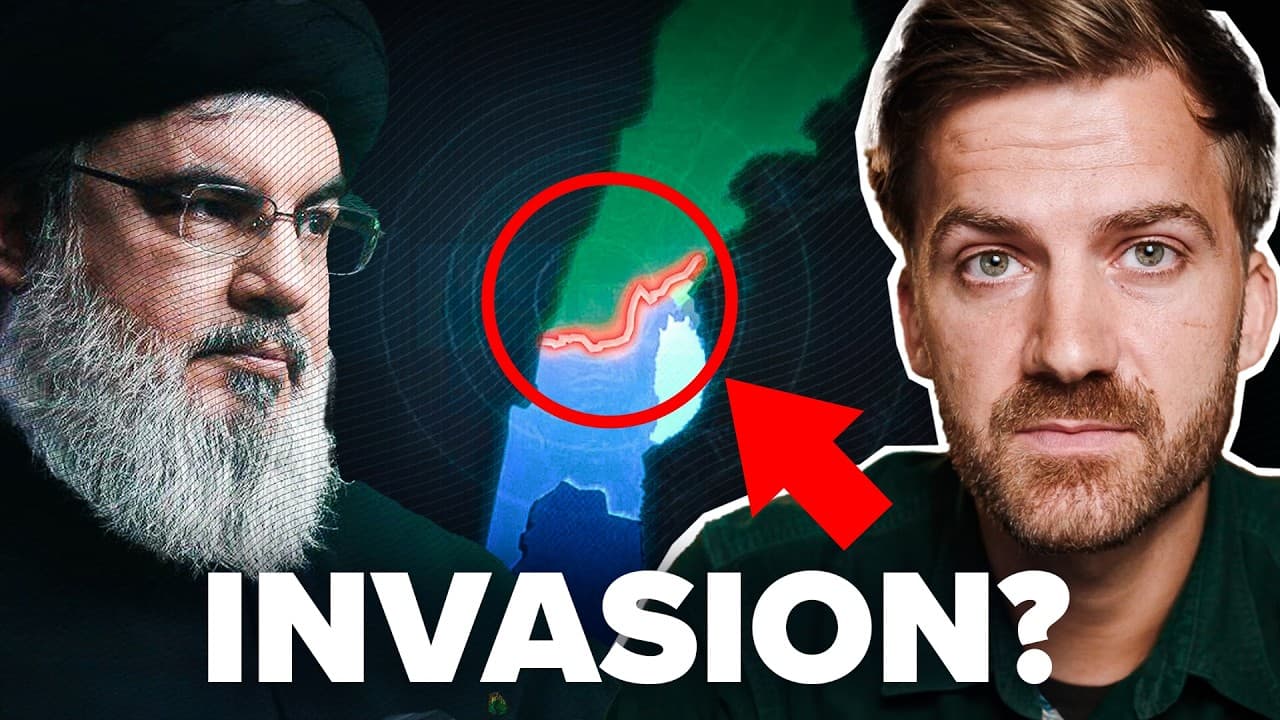
Hezbollah grew out of Lebanon’s civil war era and gained legitimacy by resisting Israeli occupation. It evolved from a militia into a political and social force that runs areas of southern Lebanon and acts as Iran’s regional proxy. Its rise was shaped by Syria, the PLO, and broader regional conflicts.
Transcript
- [Johnny] Look at this map, this map shows the thousands of attacks that have occurred right here on this border just over the past year in this fight between Israel and one of their biggest regional enemies, Hezbollah. Hezbollah is one of the biggest armed groups in the world that isn't a nation's military. They have tens of thousands of trained ... Read More
Key Insights
- Hezbollah is defined as a party of God and became a major armed group in Lebanon.
- The organization gained legitimacy by defending southern Lebanon during Israeli occupation.
- Iran provided money, weapons, soldiers, training, and leadership to Hezbollah.
- A 1983 truck bomb attack on US and French barracks in Beirut marked a turning point in regional attacks attributed to Hezbollah.
- The 1989 peace agreement allowed Hezbollah to remain armed due to Israeli occupation in southern Lebanon.
- Syria’s withdrawal in 2005 shifted power and allowed Hezbollah to gain territory and influence.
- Hezbollah has served as a proxy for Iran in regional conflicts, including Syria and Israel related tensions.
- The October 7, 2023 conflict shows Hezbollah engaging to support Hamas against Israel.
- More videos from this channel:
- More from this channel: Johnny Harris
Install to Summarize YouTube Videos and Get Transcripts
Explore YouTube Video Summarizer or Get YouTube Transcript Extractor
Questions & Answers
Q: What is Hezbollah and why is it significant in Lebanon and the region?
Hezbollah is described as a large armed group in Lebanon that functions with the status of both a militia and a political entity. It gained influence by providing social services and political representation in southern Lebanon, while also acting as a proxy for Iran. Its significance comes from its dual role as a military force and political actor that shapes regional balance of power, especially in relation to Israel and neighboring states.
Q: How did the 1983 attack influence perceptions of Hezbollah
The 1983 truck bomb attack on US and French barracks in Beirut marked a major escalation in which Hezbollah and its backers, notably Iran, were blamed for attacks against Western forces. This event highlighted Hezbollah as a capable militant actor with international repercussions, influencing how Western and regional powers approached the group and Lebanon’s instability.
Q: What role did Iran play in Hezbollah’s rise?
Iran supplied Hezbollah with money, weapons, soldiers, training, and leadership, linking the group to Iran’s revolutionary goals. This support helped Hezbollah grow from a local militias into a regional force capable of challenging Israel and influencing Lebanese politics, while maintaining loyalty to Iran’s leadership and its broader strategic aims.
Q: How did the 1989 peace agreement affect Hezbollah?
The 1989 peace agreement banned militias and required disarmament, but it made a key exception for resistance to Israeli occupation in southern Lebanon. This allowed Hezbollah to continue existing and operating, effectively legitimizing its continued presence as both a militia and a political entity in the country.
Q: What happened after Syria’s withdrawal in 2005 regarding Hezbollah?
Syria’s withdrawal created a power vacuum in Lebanon that Hezbollah could exploit. The group used this opportunity to expand its territory and influence, ramp up attacks on Israel, and reframe itself as a stronger political and militant actor capable of shaping Lebanon’s security and governance in a post-Syria landscape.
Q: How did the Syrian civil war affect Hezbollah’s legitimacy and actions?
Hezbollah was drawn into Syria’s civil war, expanding its military footprint and aligning with Iran’s strategy. This involvement damaged its reputation among some Lebanese and regional observers by portraying Hezbollah as a participant in an oppressive regime, while it continued to rely on resistance against Israel as a core source of legitimacy.
Q: What sparked Hezbollah’s involvement in the 2023 Gaza conflict?
Following the October 7, 2023 situation, Hezbollah launched more attacks near the Lebanon-Israel border to support Hamas in Gaza. This move signaled Hezbollah’s willingness to engage in multi-front tensions and demonstrated how its actions are connected to broader regional alignments and conflicts beyond Lebanon.
Q: Why is understanding Hezbollah important for interpreting Middle East geopolitics?
Understanding Hezbollah is essential because it illustrates how a non-state actor can influence national politics, regional security, and great-power competition. Its evolution shows how external sponsors, civil wars, and cross-border conflicts interlink Lebanon with Israel, Iran, Syria, and Western powers, shaping the contemporary geopolitical landscape.
Summary & Key Takeaways
-
Hezbollah emerged from Lebanon's complex civil war and external interventions, evolving into both a militant and political actor that anchors Shia communities near Israel.
-
Iran supplied support to Hezbollah, enabling its expansion in money, weapons, and leadership while aligning with Iran’s revolutionary goals.
-
The group leveraged the Israeli occupation and regional power shifts, including Syria and Iran, to establish legitimacy, expand influence, and project power across Lebanon and beyond.
Read in Other Languages (beta)
Share This Summary 📚
Summarize YouTube Videos and Get Video Transcripts with 1-Click
Try YouTube Summary with ChatGPT & Claude or YouTube Transcript Generator
Explore More Summaries from Johnny Harris 📚



Summarize YouTube Videos and Get Video Transcripts with 1-Click
Try YouTube Summary with ChatGPT & Claude or YouTube Transcript Generator