What Is Money and Why It Shapes Our Lives
TL;DR
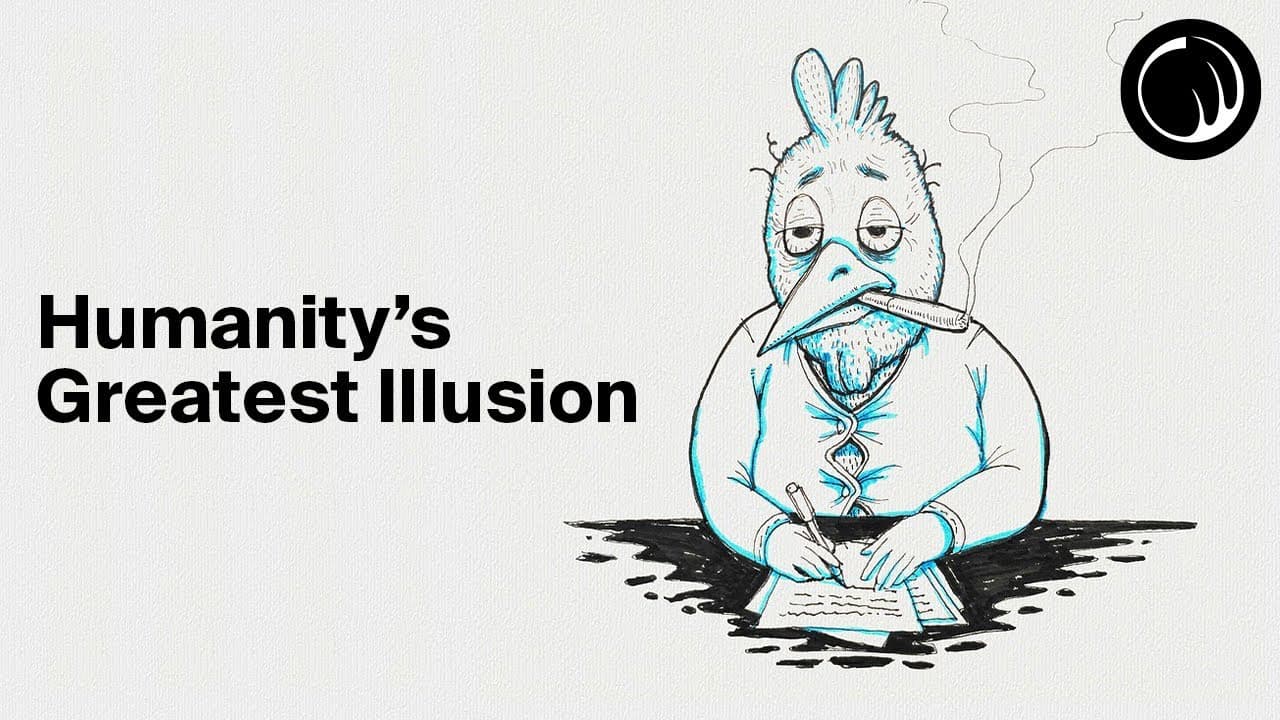
Money functions as a medium of exchange, a store of value, and a unit of account, guiding how we trade, save, and value goods. Happiness and money are linked, yet the relationship is nuanced; income beyond a baseline continues to affect wellbeing for many, while perceptions and desires drive how money impacts life. Epicurus framed desires as natural, non essential, or vain, highlighting how restraint can reduce pain.
Transcript
A coin. A piece of paper. A digit on a screen. A symbol of value, power, freedom. Money is one of humanity’s most impressive inventions; it is also one of its most illusory and counterintuitive. Whether we care about money or not—whether we want to care about money or not—we are all affected by it. On both the collective and individual scale, ne... Read More
Key Insights
- Money is defined by three primary functions: medium of exchange, store of value, and unit of account.
- Bartering faced double coincidence of wants, making money a more efficient social technology.
- Money retains value because people collectively agree on its worth and purpose.
- Financial choices mirror personal values and can illuminate underlying beliefs about life.
- Happiness and money are interconnected but not determined solely by income level.
- Recent research suggests happiness continues to rise with income beyond $75,000 for many people, with variation.
- Epicurus classified desires into natural and necessary, natural but non essential, and vain and empty, guiding prudent consumption.
- Avoiding vanity desires can reduce pain and support health of body and tranquility of mind.
- More videos from this channel:
- More from this channel: Pursuit of Wonder
Install to Summarize YouTube Videos and Get Transcripts
Explore YouTube Video Summarizer or Get YouTube Transcript Extractor
Questions & Answers
Q: What is money and why does it exist as a concept in society?
Money exists as a social invention that enables exchange, stores value for future use, and provides a common unit to compare prices. Its value is sustained by collective belief and participation, which removes the inefficiencies of barter and double coincidence of wants. This shared understanding allows economies to function smoothly over time.
Q: How did bartering create inefficiencies before money existed?
Bartering required both parties to want exactly what the other offered at the same time, an event called the double coincidence of wants. When those wants failed, trades fell through or required cumbersome intermediate exchanges, leading to higher costs, wasted time, and imbalanced exchanges that money helps to resolve by acting as a universally valued intermediary.
Q: What are the three primary functions of money outlined in the video?
The three primary functions are: money as a medium of exchange enabling goods and services to be traded, money as a store of value allowing saving for future needs, and money as a unit of account providing a common measure to compare prices and value across goods and services. Together they give money practical utility in daily life and long run planning.
Q: How does money relate to happiness according to the video?
Money relates to happiness in a nuanced way: it supports wellbeing by enabling access to resources, experiences, and security, but its impact is modulated by how people view and use money. The evidence shows happiness can rise with income beyond certain thresholds for many, yet excessive focus on vain desires often hampers tranquility.
Q: What did Epicurus say about desires and how that informs money use?
Epicurus classified desires into natural and necessary, natural but non essential, and vain desires. He argued that fulfilling natural and necessary desires contributes most to pleasure and minimizes pain, while vain desires are endless and create ongoing dissatisfaction. This framework suggests prioritizing essential needs over luxury or status-driven wants when managing money.
Q: What recent findings about income and happiness are mentioned, and how do they differ from earlier beliefs?
Earlier beliefs suggested happiness plateaus around a certain income level, but more recent work indicates happiness can continue to rise with income beyond that point for many people, with variations. This underscores that the relationship between money and happiness is not a simple threshold and depends on individual circumstances and how money is pursued.
Q: What should guide how we pursue and use money according to the video?
Our pursuit and use of money should be guided by our values and the desire for a meaningful life. By evaluating what we want from money and arranging our spending, saving, and investing to align with core values, we can improve clarity, discipline, and overall well being while avoiding unnecessary vanity that causes pain.
Q: What is the concept of money’s secondary functions and why are they important?
Beyond the basic functions, money can provide clarity, focus, discipline, and control. These secondary roles help individuals align financial behavior with personal goals, support thoughtful decision making, and create a framework for living within means while pursuing long term wellbeing and life satisfaction.
Summary & Key Takeaways
-
Money serves three core roles and underpins how societies trade, value, and retain wealth across time, shaping daily life and long-term planning.
-
Our happiness is not determined solely by amount of money; how we pursue money and align it with values can drive wellbeing and life satisfaction.
-
Philosophical lenses, from Epicurus to modern studies, emphasize balancing necessary desires with wanted comforts to minimize pain and maximize tranquility of mind.
Read in Other Languages (beta)
Share This Summary 📚
Summarize YouTube Videos and Get Video Transcripts with 1-Click
Try YouTube Summary with ChatGPT & Claude or YouTube Transcript Generator
Explore More Summaries from Pursuit of Wonder 📚




Summarize YouTube Videos and Get Video Transcripts with 1-Click
Try YouTube Summary with ChatGPT & Claude or YouTube Transcript Generator