What Is Zapffe's View on the Burden of Consciousness
TL;DR
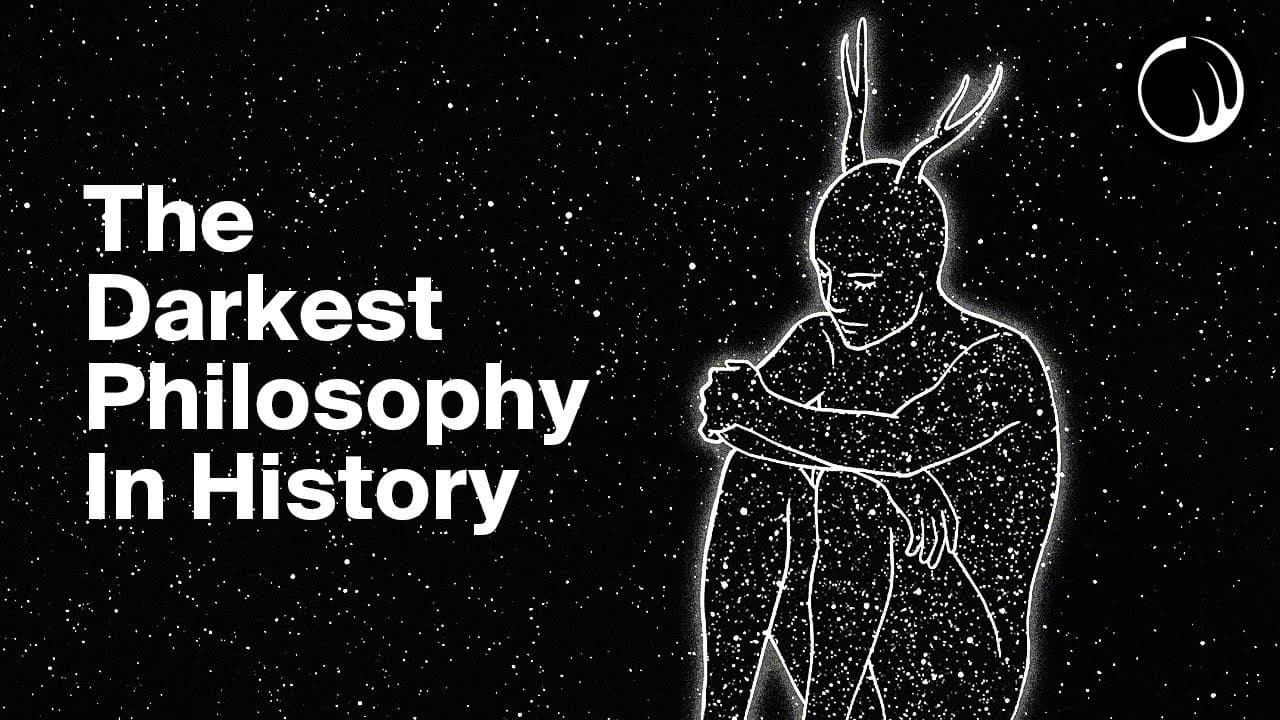
Zapffe argues that human consciousness is a heavy burden that our species cannot fully bear. To cope, people use isolation, anchoring, distraction, and sublimation to limit awareness. The video shows how these defense mechanisms keep life survivable but prevent true understanding of existence.
Transcript
This video is sponsored by Zbiotics. Enjoy a few drinks and still feel great the next day. Use my link in the description to get free shipping and 15% off your first order. One night in long bygone times, man awoke and saw himself. He saw that he was naked under cosmos, homeless in his own body. All things dissolved before his testing thought. Wond... Read More
Key Insights
- Consciousness weighs us down like oversized antlers, creating a maladaptation in evolution.
- The giant deer image is used to show a trait that is advantageous at first but becomes a burden over time.
- Humans survived by artificially limiting conscious content through cultural and personal strategies.
- Isolation means ignoring hard truths about existence to protect sanity.
- Anchoring relies on beliefs or institutions like God, church, or state to provide direction.
- Distraction involves engaging in activities that occupy the mind and avoid existential questions.
- Sublimation transforms dread into art or culture but remains a temporary solution.
- True wholeness would require accepting the bleak reality of existence, which could undermine reproduction and survival.
- More videos from this channel:
- More from this channel: Pursuit of Wonder
Install to Summarize YouTube Videos and Get Transcripts
Explore YouTube Video Summarizer or Get YouTube Transcript Extractor
Questions & Answers
Q: A real search query question about the video (e.g. 'How to...', 'What is...', 'Why does...', 'When should...'). Question 1
Zapffe argues that human consciousness is a burden that exceeds practical use, leading people to create coping mechanisms that reduce awareness. These mechanisms include isolation, anchoring in traditions, distraction through daily tasks and entertainment, and sublimation into art and culture. Each method delays facing the abyss of existence while preserving social order and personal comfort.
Q: What is the central metaphor used to describe consciousness in the video?
The central metaphor compares consciousness to the giant Irish elk’s overgrown antlers. Like antlers that hinder mobility and access to nourishment, human awareness can become excessive, weighing down the mind and making sustained survival harder. The comparison emphasizes that what is evolved for advantage can turn into a maladaptation when growth outpaces ecological needs.
Q: How does isolation function as a defense against existential truth?
Isolation operates by ignoring or repressing thoughts about mortality, suffering, and the futility of life. It creates a social and cognitive barrier that keeps conversations away from heavy topics. This quiet denial helps individuals avoid discomfort, maintain routines, and continue functioning in daily life, even though it postpones addressing the core questions about existence.
Q: What role do anchors play in Zapffe’s theory of managing consciousness?
Anchors are beliefs, systems, and institutions that give life a sense of purpose and direction. They include God, the church, the state, morality, fate, and the law of life. By relying on these anchors, people can stabilize decision making and social cohesion, reducing the need to confront existential uncertainty directly.
Q: Why is distraction considered a key defense mechanism, and what forms does it take?
Distraction diverts attention from existential concerns by engaging in purposeful activities such as work, sports, entertainment, and tradition. It creates a sense of participation and progress while avoiding the deeper questions about meaning. Although it supports daily functioning and community activity, it can mask the true nature of human consciousness.
Q: Explain sublimation and its place in Zapffe’s framework.
Sublimation is a creative channel that converts anxiety about existence into art, literature, or culture. It is the least common but most powerful defense because it transforms dread into something pleasant or novel. However, like other defenses, it temporarily mitigates distress without resolving the underlying issue of consciousness.
Q: What would constitute true wholeness in Zapffe’s view, and why is it problematic?
True wholeness would mean fully recognizing the reality of existence with all its horrors and incongruities. Zapffe argues this could annihilate the species if people saw no value in reproduction or continued life. The dilemma is balancing the drive to endure as a species with the urge for meaningful, unsheltered consciousness.
Q: How does the video relate the fate of the Irish elk to human consciousness?
The video uses the Irish elk as a metaphor for how traits that evolve for survival can become maladaptive if growth outpaces ecological demands. The elk’s overgrown antlers weighed down its head and hindered survival, illustrating how consciousness can become a burden that society covers over with coping mechanisms rather than facing the truth.
Summary & Key Takeaways
-
A concise overview of Zapffe's theory that consciousness weighs us down like overgrown antlers, creating a problem of existence.
-
An explanation of the four defense mechanisms isolation, anchoring, distraction, and sublimation and how they function to limit consciousness.
-
A discussion of the implications for humanity, including the tension between survival and genuine self understanding and the idea that trimming our mental burdens could threaten meaning.
Read in Other Languages (beta)
Share This Summary 📚
Summarize YouTube Videos and Get Video Transcripts with 1-Click
Try YouTube Summary with ChatGPT & Claude or YouTube Transcript Generator
Explore More Summaries from Pursuit of Wonder 📚
Summarize YouTube Videos and Get Video Transcripts with 1-Click
Try YouTube Summary with ChatGPT & Claude or YouTube Transcript Generator