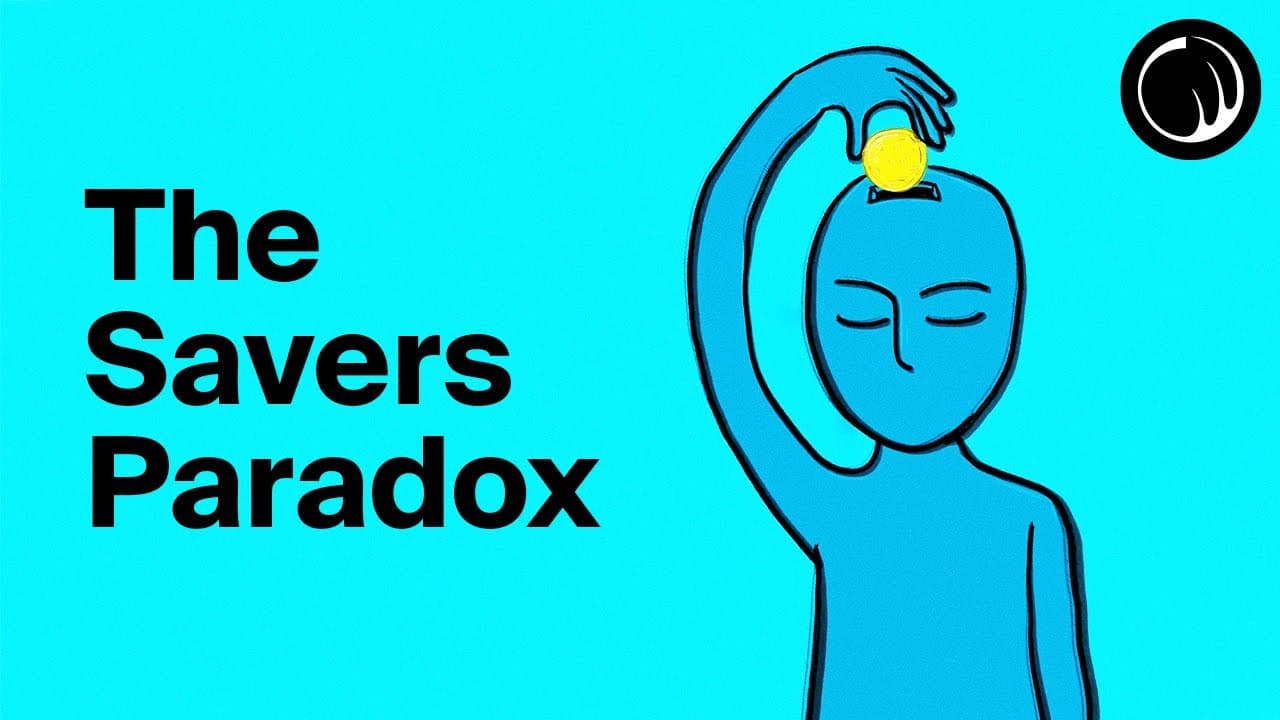
How does extreme saving affect your life and health?
TL;DR
Overemphasizing preparedness can steal present joy and backfire when uncertainty hits. The story shows a man who saves everything for a vague future, achieves wealth, then faces a serious illness that forces him to reassess his priorities. Balance preparation with living in the moment.
Transcript
This video is sponsored by Z Biotics. Enjoy nights out with a few drinks without sacrificing the next day. Use my link in the description to get free shipping and 15% off your first order. Greg stared down at his pack of Pop-Tarts. It was a little after morning announcements on a normal Tuesday in second grade. He had just eaten the first Pop-Tart ... Read More
Key Insights
- The saver mindset can dominate daily life by constantly weighing future outcomes over present enjoyment.
- Hard work and frugality can lead to financial security but may reduce social connections and spontaneity.
- Wealth can accumulate without guaranteeing happiness or freedom from stress.
- Burnout can arise from relentless optimization and overscheduling.
- Physical health risks can accompany high workload and prolonged tension.
- Serious illness in youth challenges the belief that time is endless and controllable.
- Uncertainty is a constant, and preparation should include flexible plans and coping strategies.
- Reflection at crisis points can realign priorities toward quality of life and wellbeing.
- More videos from this channel:
- More from this channel: Pursuit of Wonder
Install to Summarize YouTube Videos and Get Transcripts
Explore YouTube Video Summarizer or Get YouTube Transcript Extractor
Questions & Answers
Q: A practical question about saving habits that the video raises
What is the core tension in Greg's approach to money and time and how does it impact his life? The core tension is between saving for an ideal future and living in the present. Greg continually optimizes choices to maximize future security, which shapes his friendships, career pace, and personal wellbeing. This relentless focus leads to burnout and a narrowed life, and when illness arises, the absence of immediate fulfillment becomes painfully evident. The answer lies in balancing prudent preparation with engagement in current experiences and relationships, ensuring that financial plans serve wellbeing as well as security.
Q: Why can extreme frugality reduce overall life satisfaction
Extreme frugality can reduce life satisfaction by depriving people of everyday pleasures, social interactions, and restorative experiences that contribute to happiness. In the video, Greg sacrifices social life and leisure to pursue wealth and control over the future. This can create a perpetual state of delay, where present moments are discounted and stress persists, ultimately diminishing motivation, health, and resilience when unexpected events occur.
Q: What role does health play in a saver lifestyle
Health acts as a capstone on a saver lifestyle because sustained effort without rest or balanced ergonomics can lead to physical problems. The story shows Greg developing carpal tunnel symptoms and burnout from a high workload and poor workspace. When health issues emerge, they force reevaluation of routines and priorities, highlighting that long term security should not come at the expense of current wellbeing.
Q: How does the ALS diagnosis shift the narrative
The ALS diagnosis serves as a turning point that reframes the meaning of security and control. It reveals the limits of planning in the face of unpredictable biology and aging, and it prompts reflection on whether a failure to enjoy the present undermines the value of accumulated wealth. The narrative uses this moment to stress the importance of flexible life choices and meaningful experiences.
Q: What lesson does the video aim to teach about uncertainty
The video teaches that uncertainty is constant and should be managed with adaptable strategies rather than rigid perfectionism. Greg’s experience shows that trying to eliminate risk entirely can backfire, as it narrows focus to one end state and ignores the value of present moment awareness, health, and relationships. A balanced approach accepts unpredictability and prioritizes wellbeing.
Q: How does Greg’s career strategy affect his social life
Greg’s drive to maximize future gains leads him to reduce social activities and friendships in order to invest time in work and self improvement. This creates a thinner social network that can amplify loneliness and stress, making it harder to cope with setbacks. A more balanced routine would maintain relationships while pursuing career goals.
Q: What changes could improve a saver’s quality of life
Improvements include building flexibility into budgets, prioritizing health and relationships, and setting boundaries around work time. By leaving room for rest, social connection, and spontaneous activities, a saver can sustain motivation and resilience. Regularly reassessing goals to ensure they serve present wellbeing prevents the life of constant preparation from becoming a life of deprivation.
Q: Why is it important to reflect on life priorities regularly
Regular reflection helps prevent unexamined routines from dictating life choices. It allows alignment between financial goals, health, and relationships. The video demonstrates that without timely reconsideration, even well intentioned strategies can become restricting, leading to missed opportunities and regret. Ongoing evaluation keep priorities relevant to changing circumstances.
Summary & Key Takeaways
-
Greg grows up saving and planning for a rainy day, prioritizing future security over present pleasures, which shapes his habits and relationships. He builds wealth through multiple jobs and disciplined budgeting, while gradually losing social ties and balance in life. The narrative culminates in a life changing illness that reframes his approach to risk and time.
-
Ultimately the tale emphasizes that extreme caution about the future can blind one to meaningful present experiences and health needs. It advocates for aligning long term goals with flexible living, self care, and acknowledging uncertainty rather than hoping for a perfect end state.
-
The story invites viewers to examine how fear of future scarcity can dominate choices, and how pivotal moments such as illness force reconsideration of what truly matters. It suggests a more integrated approach to money, time, and wellbeing rather than zero sum calculations.
Read in Other Languages (beta)
Share This Summary 📚
Summarize YouTube Videos and Get Video Transcripts with 1-Click
Try YouTube Summary with ChatGPT & Claude or YouTube Transcript Generator
Explore More Summaries from Pursuit of Wonder 📚

Summarize YouTube Videos and Get Video Transcripts with 1-Click
Try YouTube Summary with ChatGPT & Claude or YouTube Transcript Generator