How to optimize diet for peak performance?
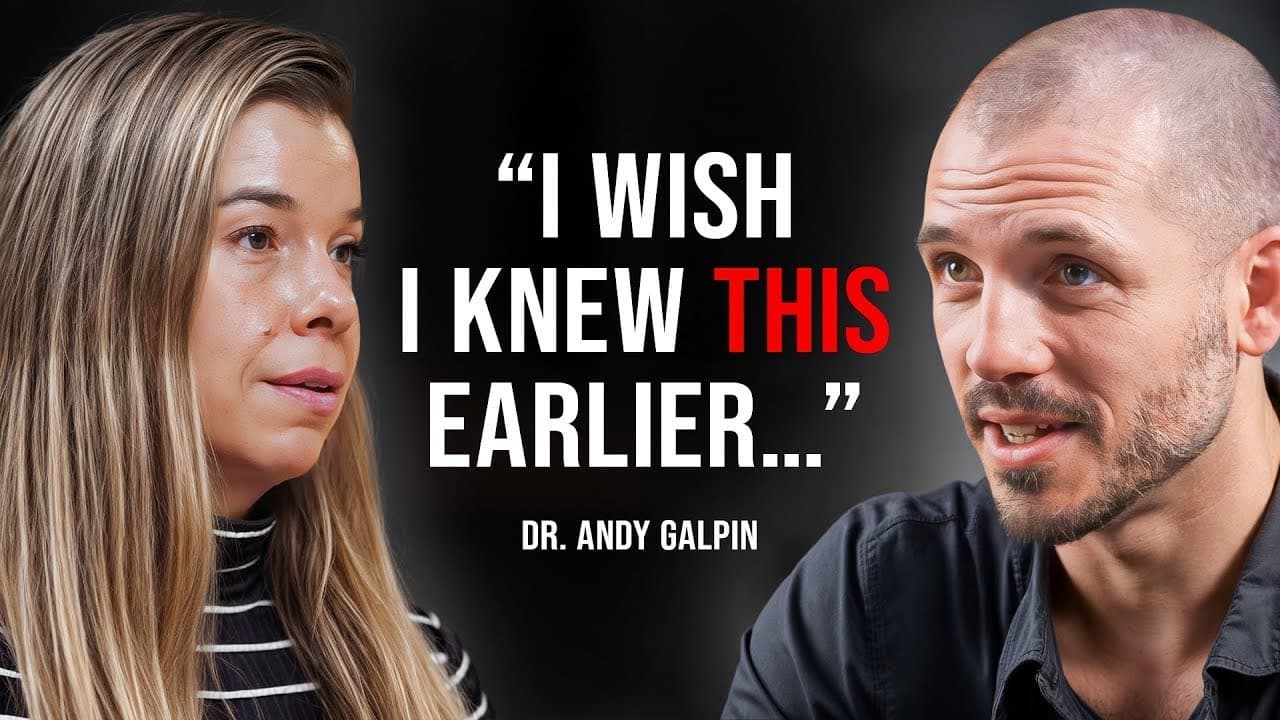
TL;DR
Protein quality and total calories matter for performance and longevity. Most people should focus on high quality protein, varied micronutrients, fiber, and balanced carbs and fats, while calories align with goals. Training fasted has context dependent benefits; choose based on how you perform and feel.
Transcript
I'd love to get your take on training while fasted. You should be able to not eat any calories for 24 hours and still exercise. You don't have to have protein powder ever. This is a a great one. So, the term metabolic flexibility has been hijacked. It's great because it is not a stimulant. So, you can take it in the evenings and it doesn't compromi... Read More
Key Insights
- Protein and energy balance are foundational for both performance and longevity, and the overlap between those goals is high across many athletes and non athletes alike.
- High quality protein with diverse foods and colors supports muscle health and micronutrient sufficiency, while fiber intake contributes to gut and metabolic health.
- Calorie management remains a core lever for reaching fitness and health goals, with carbohydrate and fat distribution tailored to individual needs and preferences.
- Training fasted can yield mitochondrial adaptations for some endurance contexts, but the overall benefit is small and should be weighed against performance and comfort.
- Exercise timing and personal preference can override strict protocols; the most effective plan matches what a person can consistently do and enjoy.
- Intermittent fasting and time restricted eating may affect performance differently based on the type and duration of exercise, not as a universal rule.
- Nutrient timing is not critical for most exercisers; focus on overall daily intake, variety, and meeting protein targets to sustain gains.
- Carbohydrate strategies before and after workouts should be matched to the sport and goal, rather than followed as a one size fits all approach.
- Metabolic flexibility is a nuanced concept that depends on context, with the term sometimes misunderstood in popular discussions.
Install to Summarize YouTube Videos and Get Transcripts
Explore YouTube Video Summarizer or Get YouTube Transcript Extractor
Questions & Answers
Q: A real search query question about the video (e.g. 'How to...', 'What is...', 'Why does...', 'When should...'). Question 1
What should I eat before strength training and does timing matter for performance and recovery? The evidence suggests focusing on high quality protein and carbohydrates around workouts while ensuring overall daily protein intake and energy balance meet your goals. Timing matters less for the average exerciser, but some athletes benefit from targeted pre workout fueling to support performance and recovery.
Q: Question 2
How does training in a fasted state affect mitochondrial adaptations and performance across different exercise types? The discussion shows that certain endurance bouts under an hour may benefit mitochondria, but the magnitude is small and depends on the context, duration, and the athlete’s goals. Personal comfort and performance should guide the practice.
Q: Question 3
Is there a universal rule for protein timing or does context change recommendations? The consensus is that protein timing is not critical for most exercisers; what matters is total daily protein quality and quantity, variety of foods, and adequate micronutrient intake to support muscle health and recovery.
Q: Question 4
Should one permanently adopt intermittent fasting for performance or longevity? The conversation emphasizes that the value of fasting depends on the individual and the activity pattern; it can align with some goals and training schedules, but it is not mandatory for all athletes or health focused individuals.
Q: Question 5
What is the role of carbohydrates before resistance training? Carbs before lifting fuel performance and support training quality, with the exact amount tailored to the athlete’s needs and training intensity. The key is balancing carb intake with protein and overall energy requirements.
Q: Question 6
How should athletes approach fueling for endurance and general recovery? Endurance fueling strategies should reflect what actually works for the individual, focusing on practical sources of carbs and fluids while ensuring calories meet energy expenditure and recovery needs.
Q: Question 7
What does metabolic health mean in practical terms for athletes and non athletes alike? Metabolic health is tested by the body’s ability to utilize nutrients efficiently, with skipping meals not inherently harmful if overall intake and nutrient adequacy are maintained and energy balance is preserved.
Q: Question 8
Does protein timing matter for muscle growth and performance? The evidence suggests timing is less critical than achieving sufficient daily protein intake, quality, and distribution across meals, which support muscle protein synthesis and recovery over time.
Summary & Key Takeaways
-
A comprehensive approach to performance nutrition emphasizes high quality protein, micronutrients, fiber, and calorie balance aligned with individual goals and activity level. It notes that performance and longevity share core dietary patterns, with adjustments for specific needs like training type and schedule. The dialogue also covers practical considerations for fueling and recovery.
-
The discussion highlights that personalized context matters more than universal rules, especially when deciding on training in a fasted state and how to schedule carbs around workouts. It also stresses that protein timing is generally less critical for the average exerciser, but overall intake and quality drive results.
-
Key takeaways include the compatibility of performance and longevity goals through consistent dietary patterns, the nuanced role of fasted training, and the importance of protein quality and energy balance for both health and athletic outcomes.
Read in Other Languages (beta)
Share This Summary 📚
Summarize YouTube Videos and Get Video Transcripts with 1-Click
Try YouTube Summary with ChatGPT & Claude or YouTube Transcript Generator
Explore More Summaries from FoundMyFitness 📚

Summarize YouTube Videos and Get Video Transcripts with 1-Click
Try YouTube Summary with ChatGPT & Claude or YouTube Transcript Generator