How to Stay Calm and Not React Under Pressure
TL;DR
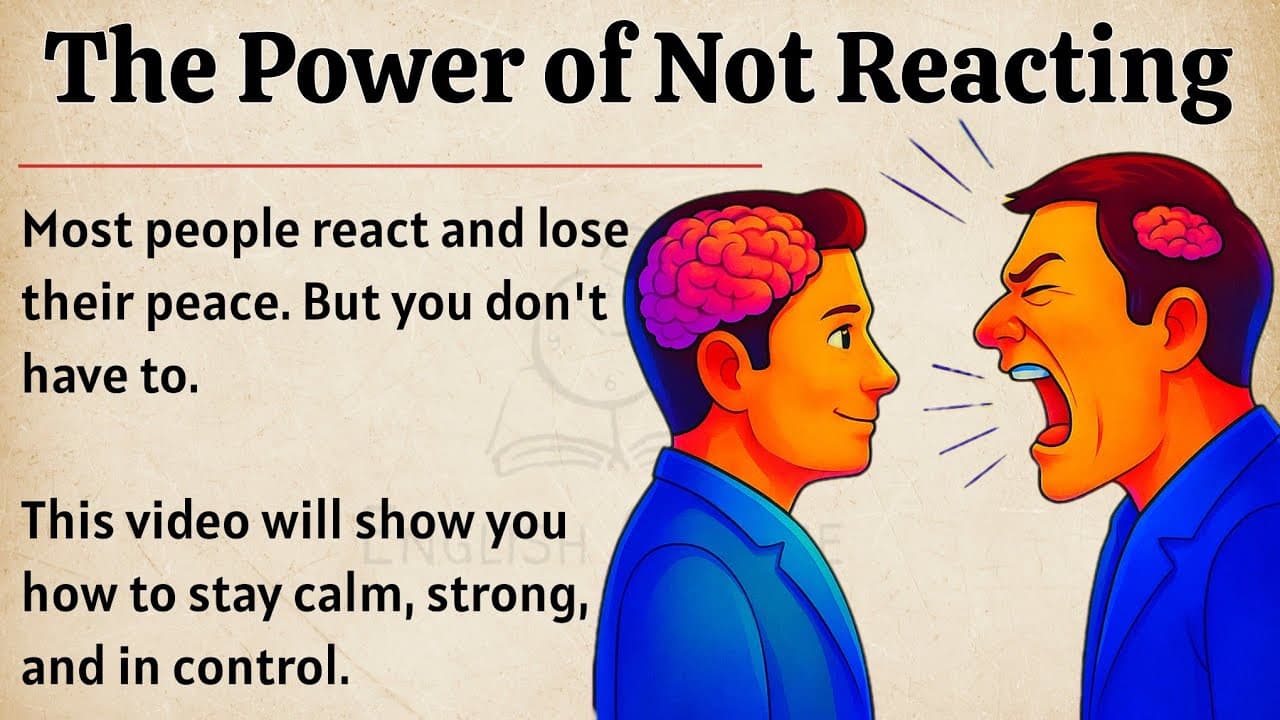
Reacting quickly often leads to regret, so pausing is essential. The core approach is to slow down in tense moments, name the feeling, and choose a measured response. By practicing a 5 second pause, you maintain control, protect relationships, and cultivate lasting peace and focus.
Transcript
Welcome. I want to tell you something honestly. This is not the kind of video where I say here are five tips to improve your life and then disappear. This is not about motivation for 10 minutes and then nothing changes. This is something bigger, something more real. Because what we're talking about today is the difference between a peaceful life an... Read More
Key Insights
- Reacting quickly is not a sign of strength but a sign of emotional manipulation, as it subjects you to others control.
- The 5 second pause is a practical technique to reclaim personal power, reduce impulse, and allow thoughtful response instead of impulsive reaction.
- Pause leads to fade of strong emotion, enabling clearer thinking and wiser actions in any situation.
- Many reactions are tied to old hurts and fear; naming the emotion helps distinguish present moment from past woundings.
- Silence is portrayed as a form of strength, preserving dignity and revealing clarity when others expect a response.
- Not every insult or conflict deserves your energy; prioritizing where to invest your emotional resources protects peace and future goals.
- Training the mind to respond rather than react is a daily discipline, building consistency and resilience over time.
- Choosing not to respond in the moment can prevent misunderstandings and long term relationship damage, and often exposes truth later.
- More videos from this channel:
- More from this channel: English Avenue
Install to Summarize YouTube Videos and Get Transcripts
Explore YouTube Video Summarizer or Get YouTube Transcript Extractor
Questions & Answers
Q: How can I pause before reacting in a heated moment
The first step is to notice the feeling without judging it, take a deliberate breath, and count to five before saying or doing anything. This pause creates space for your brain to shift from impulse to reason, allowing a calmer, more purposeful response. Repetition builds this as a habit.
Q: What if I still feel the urge to react after the pause
If the urge remains, acknowledge the emotion aloud in your mind, and choose a neutral, non confrontational statement or a simple silence. This signals that you are in control and prioritizes the relationship over a quick reaction. Practice helps your brain reset over time.
Q: Why is silence considered a strength in conflicts
Silence prevents escalation, preserves dignity, and avoids saying things you cannot retract. It also creates uncertainty in the other person, which can defuse tension and reveal the truth later. Consistent non reaction demonstrates inner power and focus more effectively than loud arguing.
Q: How does one avoid energy drain from constant battles
Prioritize what truly matters and reserve energy for meaningful goals. Not every issue deserves your emotional investment, and choosing to engage only when necessary protects peace and progress. This disciplined approach reduces unnecessary stress and supports long term success.
Q: Can a moment of calm really change outcomes
Yes, calmness allows you to think clearly, respond with purpose, and reduce regret. When you stay calm, you maintain control over your words and actions, which can alter the dynamics of a relationship or situation and lead to better, more sustainable results.
Q: What role does self awareness play in not reacting
Self awareness helps you recognize triggers and patterns that lead to impulsive reactions. By naming the emotion and understanding its source, you can choose a response aligned with your values rather than a reflex born from past hurts or fear.
Q: How can I practice the 5 second rule daily
Set reminders to pause for five seconds before responding in small daily interactions, then gradually apply it in more challenging situations. Over time this builds a automatic habit of stopping to think, which strengthens self control and decreases impulsive behavior.
Q: What is the long term benefit of mastering not reacting
The long term benefit is a stronger sense of inner peace, better relationships, and greater focus on important tasks. It reduces emotional wear and tear, enhances decision making, and enables you to act with consistency and integrity even under pressure.
Summary & Key Takeaways
-
In this video, the reader learns that reacting under pressure destroys peace and control, and that pausing is a powerful skill that preserves energy and relationships.
-
The content emphasizes emotional intelligence through practical steps like the 5 second rule, self awareness, and choosing calm responses over impulsive ones.
-
The material also frames silence and selective energy expenditure as strategic tools to stay untouchable, calm, strong, and focused in daily life.
Read in Other Languages (beta)
Share This Summary 📚
Summarize YouTube Videos and Get Video Transcripts with 1-Click
Try YouTube Summary with ChatGPT & Claude or YouTube Transcript Generator
Explore More Summaries from English Avenue 📚



Summarize YouTube Videos and Get Video Transcripts with 1-Click
Try YouTube Summary with ChatGPT & Claude or YouTube Transcript Generator