How to Automate a Faceless YouTube Channel
TL;DR
Connect the Higgsfield MCP and its skill to Claude, then use one chat to research topics, write a retention-focused script, generate a 10-minute video, translate it, create packaging, and cut about 20 shorts. Channel growth still depends on original writing, niche consistency, clickable packaging, a sustainable publishing schedule, and improving future scripts from average view duration data.
Transcript
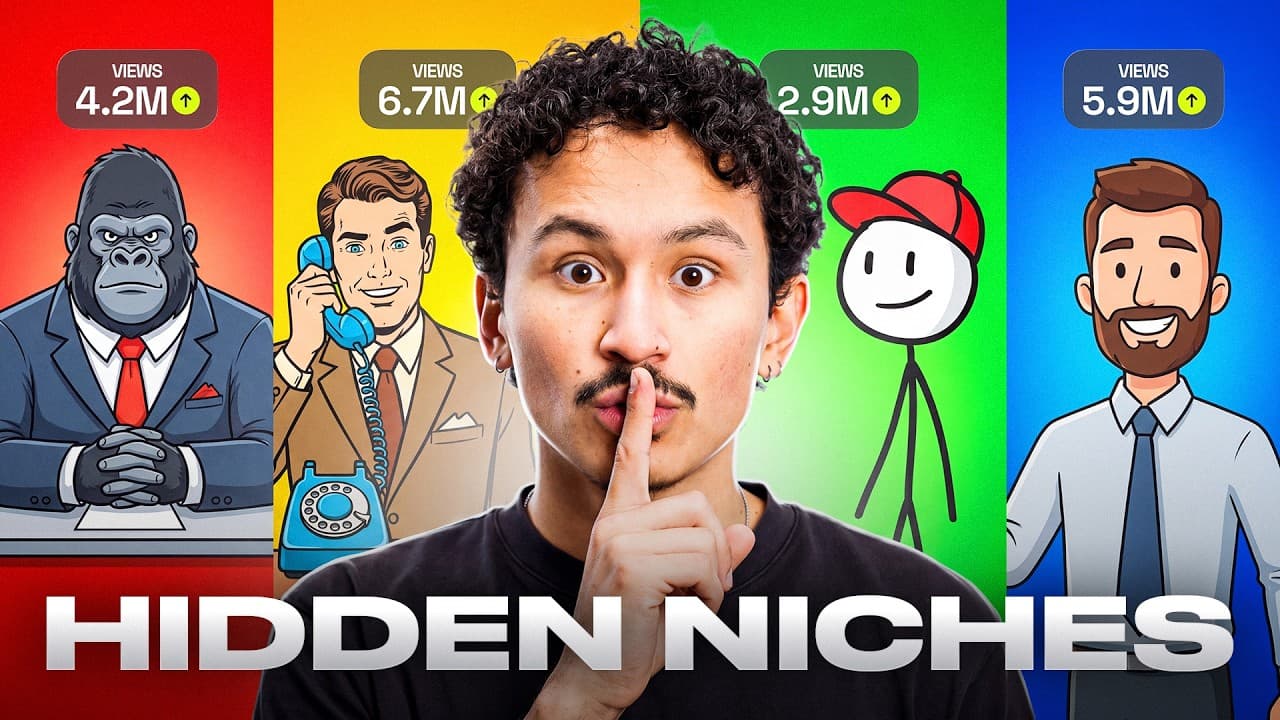
These three channels post the exact same style of video. Faceless 10-minute long explainer videos. And they get millions of views over and over again. And there's no secret to it. It's a system. A system that used to take a whole team and days of production. So, can one prompt actually run that whole system and match their success? Let's find out. ... Read More
Key Insights
- The automation workflow is built around connecting the Higgsfield MCP and its accompanying skill to Claude. After setup, a creator can manage topic research, scripting, video generation, translation, voice selection, packaging, short-form repurposing, and content planning within one chat.
- Niche consistency helps the recommendation system identify the appropriate audience for a channel. The presenter recommends selecting one subject area and keeping every upload in that lane because mixing unrelated niches can weaken the targeting developed through previous videos.
- Original scripting is central to producing monetizable AI-assisted content. The transcript states that YouTube does not automatically block or demonetize content merely because AI was used, but spammy or unoriginal material can be flagged regardless of how it was produced.
- Retention-focused scripts open with the payoff instead of lengthy background information. The demonstrated script also uses chapters and introduces an open loop about every minute, giving viewers an unresolved reason to continue watching and creating a structure that can be evaluated after publication.
- A 10-minute format offers more opportunity to accumulate watch time when the material remains interesting. The generated example supports retention with narration that remains coherent, visual changes every few seconds, and a consistent visual style across approximately 100 scenes.
- Voice cloning creates a custom narration preset from a short recording. The workflow asks the creator to read a supplied sample script, upload the recording, and save the resulting voice, allowing later videos to use a voice associated specifically with that creator.
- Effective packaging combines a clear focal point with an unanswered question. The thumbnail must remain readable at phone size, while the title should create curiosity that the thumbnail deliberately leaves unresolved, producing the information gap intended to earn a click.
- Long-form videos can become about 20 captioned shorts that are ready for distribution. Posting those clips to YouTube Shorts, Reels, and TikTok creates more discovery opportunities, while each short can direct interested viewers back toward the main channel and its longer content.
Install to Summarize YouTube Videos and Get Transcripts
Explore YouTube Video Summarizer or Get YouTube Transcript Extractor
Questions & Answers
Q: How do you automate a faceless YouTube channel with Claude and Higgsfield?
Start by getting the MCP link from Higgsfield, then open Claude settings, select connectors, add a named connection, paste the link, and connect it. Install the accompanying skill in the same environment. Once configured, one chat can research a topic, write the script, send the project to Higgsfield for production, create titles and thumbnails, and repurpose the result into shorts.
Q: How does the workflow choose topics for faceless explainer videos?
The skill studies the explainer format, researches current topics on the internet, scores the available options, and selects a promising subject instead of returning a long, unfocused list. The presenter recommends choosing one niche and staying within it so each upload helps the recommendation system understand which audience should receive the channel's future videos.
Q: How should a faceless explainer script be structured for retention?
The script should begin with the payoff rather than spending the opening on backstory. It should then organize the explanation into chapters, with each section encouraging viewers to continue into the next. In the demonstrated workflow, the script also places an open loop about every minute, creating unresolved questions whose effectiveness can later be checked through audience drop-off data.
Q: Can AI-generated faceless videos remain monetized on YouTube?
The transcript says YouTube does not automatically demonetize or block a video solely because it uses AI. The stated risk is content that appears spammy or unoriginal, whether AI created it or not. A well-written, meaningful script therefore matters because it distinguishes the production from attractive but empty material and gives the finished video original explanatory value.
Q: Why does the workflow recommend making 10-minute videos?
The skill recommends a 10-minute runtime because longer videos can accumulate more total watch time, provided they remain interesting enough to retain viewers. The demonstrated production changes visuals every few seconds and maintains one coherent style across approximately 100 scenes. Runtime alone is not the strategy, since narration, structure, visual consistency, and pacing must support continued viewing.
Q: How can you translate and personalize an AI-generated explainer video?
The completed film can be rendered again in another language by requesting the translation in the same chat. Narration can also use the creator's own cloned voice. To create that preset, open the Higgsfield audio area, select voice presets, create a custom voice, record yourself reading the sample script, and upload the recording for later productions.
Q: What makes a title and thumbnail effective for a faceless YouTube video?
The packaging should follow two rules presented in the workflow. First, the thumbnail needs one clear focal point that remains readable at phone size because viewers commonly encounter it in a small feed display. Second, the title should open a question that the thumbnail does not answer, creating a deliberate information gap that encourages viewers to click.
Q: How can one long video support a 30-day content strategy?
One long-form production can be divided into about 20 captioned shorts and distributed through YouTube Shorts, Reels, and TikTok, creating multiple discovery opportunities from the same source material. The workflow can also produce a 30-day plan containing eight long videos ranked using search data, then begin multiple planned productions while the current video is being completed.
Summary & Key Takeaways
-
The workflow begins by connecting the Higgsfield MCP and installing the provided skill in Claude. From there, the system researches explainer topics in real time, scores the options, selects one, and writes a structured script designed to open with the payoff, progress through chapters, and plant recurring open loops.
-
Higgsfield turns the research and script into a complete 10-minute explainer with narration, editing, frequent visual changes, and a consistent style across roughly 100 scenes. The same chat can translate the production into another language and use a custom voice created from a short recording of the supplied sample script.
-
The finished long-form video becomes the foundation for titles, thumbnails, and about 20 captioned shorts for YouTube Shorts, Reels, and TikTok. A 30-day plan can map eight long videos using search data, while average view duration and audience drop-off points provide feedback for improving each subsequent script.
Read in Other Languages (beta)
Share This Summary 📚
Summarize YouTube Videos and Get Video Transcripts with 1-Click
Try YouTube Summary with ChatGPT & Claude or YouTube Transcript Generator
Explore More Summaries from Higgsfield AI 📚

Summarize YouTube Videos and Get Video Transcripts with 1-Click
Try YouTube Summary with ChatGPT & Claude or YouTube Transcript Generator