How to Build a Deep Life and Use Your Phone Less
TL;DR
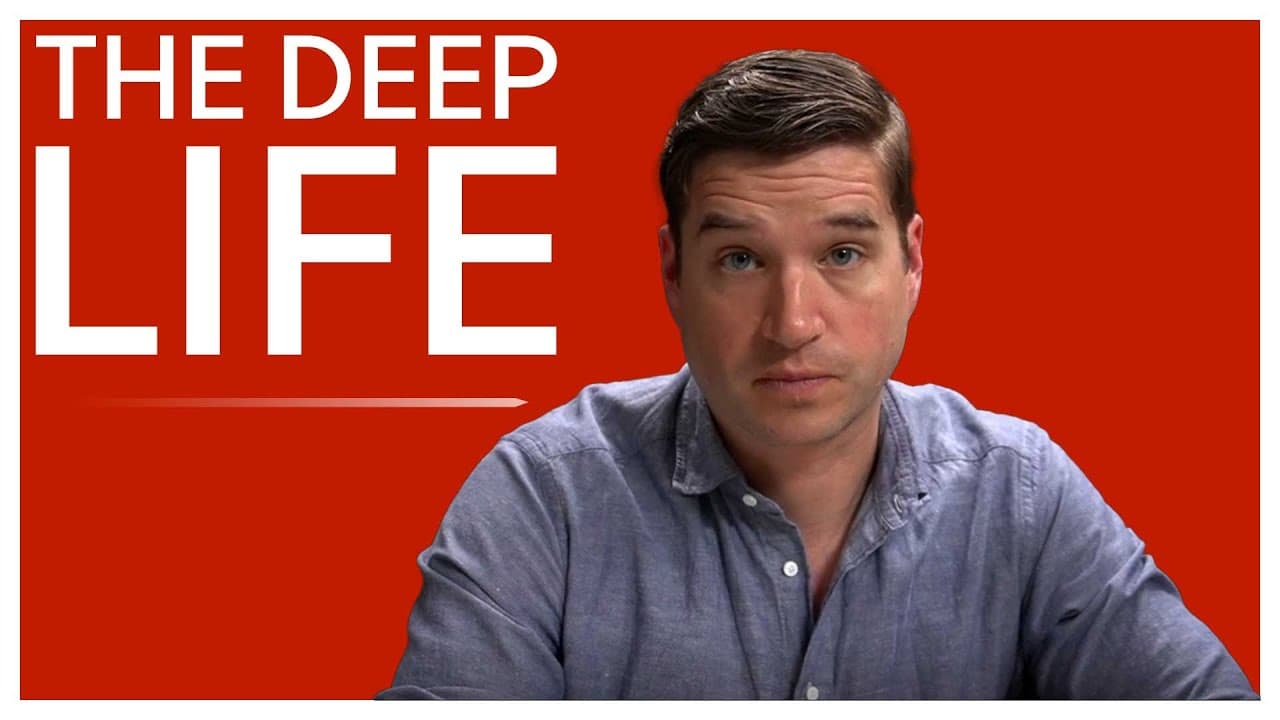
Replace phone scrolling with a compelling vision of an intentional, meaningful life instead of relying on willpower alone. Define desired properties across every major area of life, then improve one area at a time through practical goals and habits. As autonomy and confidence grow, digital distractions become less necessary and less appealing.
Transcript
This is why the notion of the deep life has become I think so important. Yeah. Here's the way I think about this. One way to think about this my book deep work I think one of the reasons why that book was popular is there was an issue that people were recognizing in the workplace which was we're really pretty distracted. like I'm on email all the t... Read More
Key Insights
- A compelling offline life is the practical alternative to compulsive phone use. Warnings about TikTok, YouTube Shorts, X, or other distractions are insufficient when people have no meaningful activity ready to replace scrolling.
- Phone dependence is not necessarily a moral failure or evidence of weak discipline. Reaching for a device can be a rational response when the perceived alternative is boredom, isolation, or an uncomfortable absence of purpose.
- A deep life is interesting, intentional, autonomous, and meaning-producing. When work, community, health, relationships, and personal pursuits provide stronger rewards, spending the day consuming short videos begins to feel unnecessary.
- A lifestyle vision is a provisional description of how daily life should feel across multiple areas. It can be good enough for now because its purpose is to guide progress, not permanently determine every future choice.
- Effective lifestyle properties are first-person declarative statements rather than fixed goals. Statements about living in a high-energy city or finishing work by five describe desired conditions, while naming one exact job or location merely specifies an outcome.
- Lifestyle-centric planning works by comparing desired properties with current obstacles, opportunities, and capabilities. Existing skills, such as computer programming, can become resources for moving several areas of life closer to their preferred conditions.
- Progress is best pursued one bucket at a time through focused periods of goals and practices. A health bucket might receive a month of attention, followed by work or craft, with the cycle repeated instead of attempting an immediate total transformation.
- Greater self-efficacy and autonomy reduce the appeal of distraction. As people experience their ability to improve life, contribute to real communities, and complete meaningful work, online arguments and algorithmic entertainment lose their role as lifelines or pacifiers.
Install to Summarize YouTube Videos and Get Transcripts
Explore YouTube Video Summarizer or Get YouTube Transcript Extractor
Questions & Answers
Q: How can I use my phone less when I do not know what else to do?
Create a bigger, better alternative before expecting yourself to stop scrolling. Define what you want daily life to be like across work, health, community, relationships, and other important areas, then begin making those areas more engaging through specific goals and practices. When offline life contains meaningful activities and responsibilities, the phone no longer has to fill every empty moment.
Q: Why is willpower alone ineffective for reducing phone use?
Willpower does not solve the absence of an appealing alternative. If putting down the phone seems to leave only boredom or existential discomfort, continuing to scroll can feel like a rational choice. The more durable approach is to create worthwhile work, activities, relationships, and community commitments that offer a stronger reason to direct attention away from the device.
Q: What is a deep life according to Cal Newport?
A deep life is a life designed to be interesting, intentional, autonomous, and capable of producing meaning. It includes multiple areas rather than focusing exclusively on a job or single hobby. Its value is that it offers something better than passive digital consumption, making constant engagement with short videos, recommendations, and online disputes feel increasingly unnecessary.
Q: How do I create a lifestyle vision for a deep life?
Identify the major areas, or buckets, that together make up your life, then describe the desired properties of each one. Use first-person declarations about how you want daily life to operate, such as living somewhere energetic or having work that ends by five. Treat the vision as provisional so it can guide current decisions without requiring perfect foresight.
Q: What is the difference between a lifestyle property and a goal?
A lifestyle property describes an ongoing quality of daily life, while a goal identifies a concrete outcome. Wanting work that does not dominate your time is a property. Choosing one exact job or town is a goal. Properties define the broader conditions you want, and goals can then serve as practical steps toward creating those conditions.
Q: How should I improve the different areas of my life?
Work through the areas one at a time instead of trying to overhaul everything at once. Spend a month or two on a particular bucket, establish useful practices, and complete one-time goals that move it toward its desired properties. Then shift attention to another bucket and continue repeating the cycle as obstacles and opportunities change.
Q: How can career changes support a deeper life?
Start by identifying the properties you want work to have, then use current skills and opportunities to move closer to them. A valuable skill such as computer programming may provide options that better support several life buckets. You can also complete projects that build career capital or change work practices so distraction decreases and work occupies less of life.
Q: When should I review and revise my lifestyle vision?
Review the desired properties across your life at least once a year, with your birthday offered as a memorable time for doing so. The vision is intentionally contingent, so revisions are expected. Regular review helps confirm whether the properties still fit, while the ongoing cycle of goals and practices keeps daily life moving closer to them.
Summary & Key Takeaways
-
Reducing phone use requires a bigger, better alternative to constant digital stimulation. People often return to their devices because nothing else feels immediately available or meaningful. Rather than treating this behavior as a moral or disciplinary failure, build a life filled with worthwhile work, relationships, community, health, and personal interests.
-
Create a provisional vision for every major area, or bucket, of life. Describe each vision through first-person properties rather than fixed outcomes such as a particular job or city. Then consider your existing obstacles, opportunities, and useful skills to identify realistic changes that move daily life closer to those desired properties.
-
Work through the buckets cyclically, spending a month or two improving one area through one-time goals and sustainable practices. Review the properties at least once a year, such as on your birthday. Gradual progress strengthens autonomy and self-efficacy, making algorithmic entertainment and online conflict feel increasingly irrelevant.
Read in Other Languages (beta)
Share This Summary 📚
Summarize YouTube Videos and Get Video Transcripts with 1-Click
Try YouTube Summary with ChatGPT & Claude or YouTube Transcript Generator
Explore More Summaries from Cal Newport 📚



Summarize YouTube Videos and Get Video Transcripts with 1-Click
Try YouTube Summary with ChatGPT & Claude or YouTube Transcript Generator