How Discomfort Helps You Build a Deeper Life
TL;DR
Embracing purposeful discomfort can help counter modern lives dominated by screens, abstraction, and convenience. Michael Easter connects evidence-based health habits with an intentional life, drawing on his recovery from alcohol problems, transition from office work to full-time writing, and practice of hiking and exercising outdoors. A practical starting point is choosing simple physical challenges, such as taking the stairs when an escalator is available.
Transcript
I'm Cal Newport and this is indepth a semi-regular series where I interview interesting people about their quest to cultivate a deep life today's episode is presented by Defender a vehicle designed for those seeking Adventure in a distracted world now I've been looking forward to this episode for a while as it's a chance to talk to a writer who I'v... Read More
Key Insights
- Modern digital life is increasingly disembodied because professional and personal activities are mediated through screens rather than grounded in the body or a particular place. Newport argues that this arrangement offers economic advantages to other participants while creating consequential difficulties for the people living within it.
- Purposeful discomfort is presented as a response to lives shaped by convenience, abstraction, and screen use. Easter’s work examines evidence-based ways to use physical effort, outdoor activity, and simple health choices to help people get more from their bodies and live healthier, fitter lives.
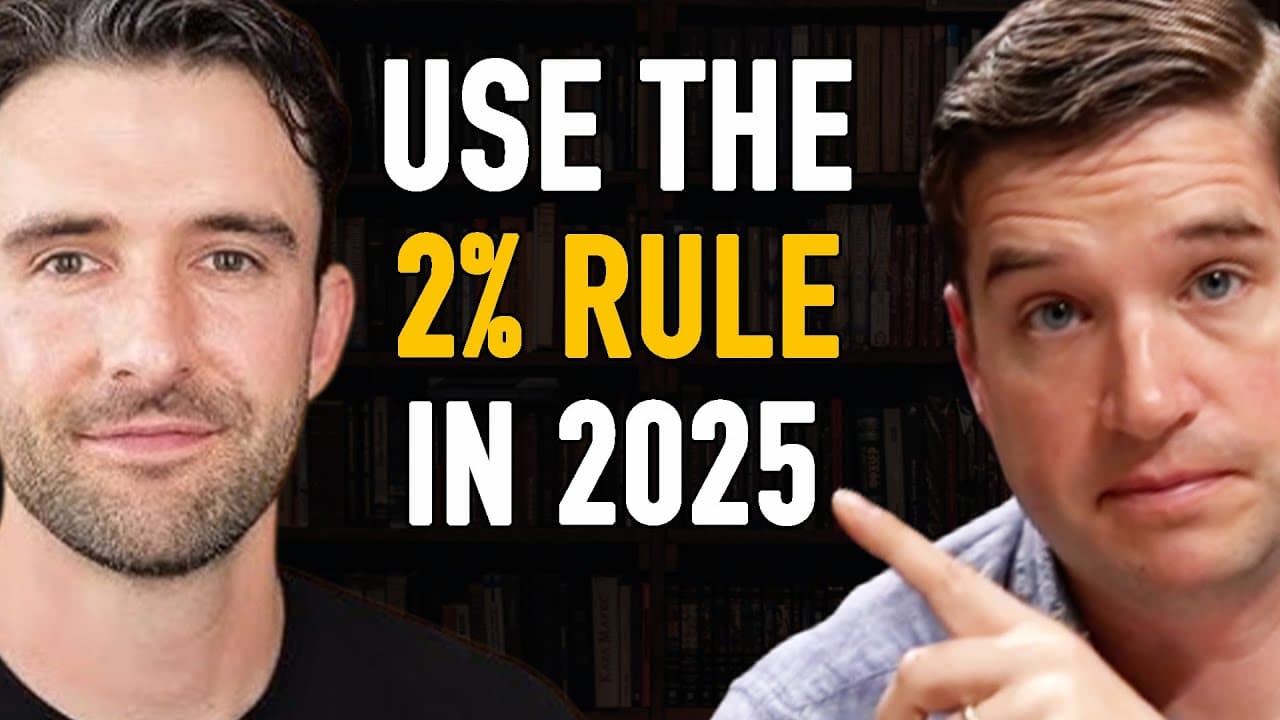
- Taking the stairs is a simple example of choosing beneficial effort when convenience is available. Easter’s newsletter name, 2%, refers to the stated observation that only 2% of people take the stairs instead of an escalator when both options are offered, despite research linking stair use with improved longevity.
- Personal reinvention is connected to confronting serious problems rather than merely optimizing routines. Easter’s transition toward a deeper life began with overcoming substance abuse, and that recovery helped him learn about himself before he reshaped his work, surroundings, physical practices, and use of time.
- A deep life is portrayed as an intentional alignment of work, health, place, and autonomy. Easter left a busy combination of freelance writing, book projects, magazine work, and university teaching to support himself through independent writing and spend more time hiking and running in the desert.
- A writing career can emerge from sustained reading and an unexpected educational turning point. Easter grew up surrounded by books, became fascinated by adventurous and stylistically ambitious writing, and changed direction after a nature writing class revealed that writing was the work he wanted to pursue.
- Career differentiation can come from combining interests that are usually separated. Easter gained experience at publications associated with literary features, men’s interests, and science, which gave his résumé a distinctive mixture that matched an opportunity at Men’s Health.
- Health priorities become more consequential in middle age because current choices may shape the decades that follow. Newport describes approaching the conversation with unusual seriousness after preparing for his first surgery, and he presents renewed attention to health and fitness as potentially offering a substantial long-term return.
Install to Summarize YouTube Videos and Get Transcripts
Explore YouTube Video Summarizer or Get YouTube Transcript Extractor
Questions & Answers
Q: How can purposeful discomfort help build a deeper life?
Purposeful discomfort can reconnect daily life with physical effort, place, and deliberate choice. Newport describes modern work and personal activity as increasingly abstract and screen-mediated, while Easter’s approach emphasizes outdoor activity, fitness, and choosing effort when convenience is available. The goal is not discomfort for its own sake, but a more intentional alignment of health, work, environment, and purpose.
Q: What is the mismatch between modern digital life and human needs?
The mismatch arises when people conduct more of their professional and personal lives through screens, becoming less connected to their bodies and any particular location. Newport argues that this abstraction may offer economic benefits to other participants, yet it can be difficult for the individuals experiencing it. Easter’s work explores how physical activity and purposeful discomfort can counter that disembodiment.
Q: What is a simple first step toward better health habits?
A simple starting point is to choose a modest physical challenge when an easier option is available, such as taking the stairs instead of an escalator. Easter uses this choice to represent practical, evidence-based health behavior. The transcript states that only 2% of people choose the stairs when both options are offered, despite research showing that stair use can significantly improve longevity.
Q: Why does Michael Easter emphasize embracing discomfort?
Easter emphasizes discomfort because modern convenience can remove ordinary opportunities for physical effort and embodied experience. His writing examines straightforward, evidence-based practices that help people use their bodies, improve fitness, and support longevity. His own routine, which includes hikes and runs through desert canyons, illustrates how voluntary challenge can become part of an intentional and satisfying daily life.
Q: How did Michael Easter reinvent his career and lifestyle?
Easter moved from a demanding mix of magazine journalism, freelance work, books, and university teaching into full-time independent writing. His newsletter now covers his expenses and gives him greater control over his subjects and schedule. He lives outside Las Vegas, spends time hiking and running in the desert, and has organized his work around autonomy, health, and purposeful activity.
Q: What role did recovery play in Michael Easter’s reinvention?
Recovery from substance abuse was a meaningful starting point in Easter’s transformation. Newport says that overcoming this problem taught Easter important things about himself and helped crystallize the deeper life he later built. The journey was therefore not simply a professional change. It involved addressing an alcohol problem, reconsidering how he lived, and deliberately reshaping his work, habits, and surroundings.
Q: How did Michael Easter begin his journalism career?
Easter grew up reading books and magazines, then initially considered business law and natural resources because professional writing did not seem realistic to him. A nature writing class changed his direction, and he pursued graduate study in science, health, and environmental reporting. He interned at Esquire, later worked part-time at Scientific American and GQ, and then found an opportunity at Men’s Health.
Q: Why is physical health important when cultivating an intentional life?
Physical health matters because a deep life is not limited to intellectual work or productivity. Newport presents screen-based abstraction as a source of disconnection from the body, while Easter focuses on movement, fitness, outdoor experience, and longevity. Newport also notes that health decisions in middle age may provide substantial returns over the following decades, making physical priorities central to long-term intentional living.
Summary & Key Takeaways
-
Cal Newport frames modern life as increasingly abstract, screen-mediated, and disconnected from the body and physical place. He asks Michael Easter how people can respond to that mismatch by embracing purposeful discomfort, improving health and fitness, and building an intentional life that better reflects what human bodies and minds appear to expect.
-
Michael Easter’s career developed from an early love of books and magazines. Inspired by writers including Jon Krakauer and Hunter S. Thompson, he moved from plans involving business law and natural resources into nature writing, graduate study in science, health, and environmental reporting, and internships and jobs spanning literary and science publications.
-
Easter’s broader journey connects personal recovery, professional reinvention, and daily physical activity. He moved from unhappy office work and an alcohol problem toward full-time independent writing, a popular newsletter and podcast, and regular desert hikes. His example presents reinvention as a process of aligning work, health, environment, and personal purpose.
-
Key Insights
Read in Other Languages (beta)
Share This Summary 📚
Summarize YouTube Videos and Get Video Transcripts with 1-Click
Try YouTube Summary with ChatGPT & Claude or YouTube Transcript Generator
Explore More Summaries from Cal Newport 📚

Summarize YouTube Videos and Get Video Transcripts with 1-Click
Try YouTube Summary with ChatGPT & Claude or YouTube Transcript Generator