How to apply Digital Minimalism for better tech use
TL;DR
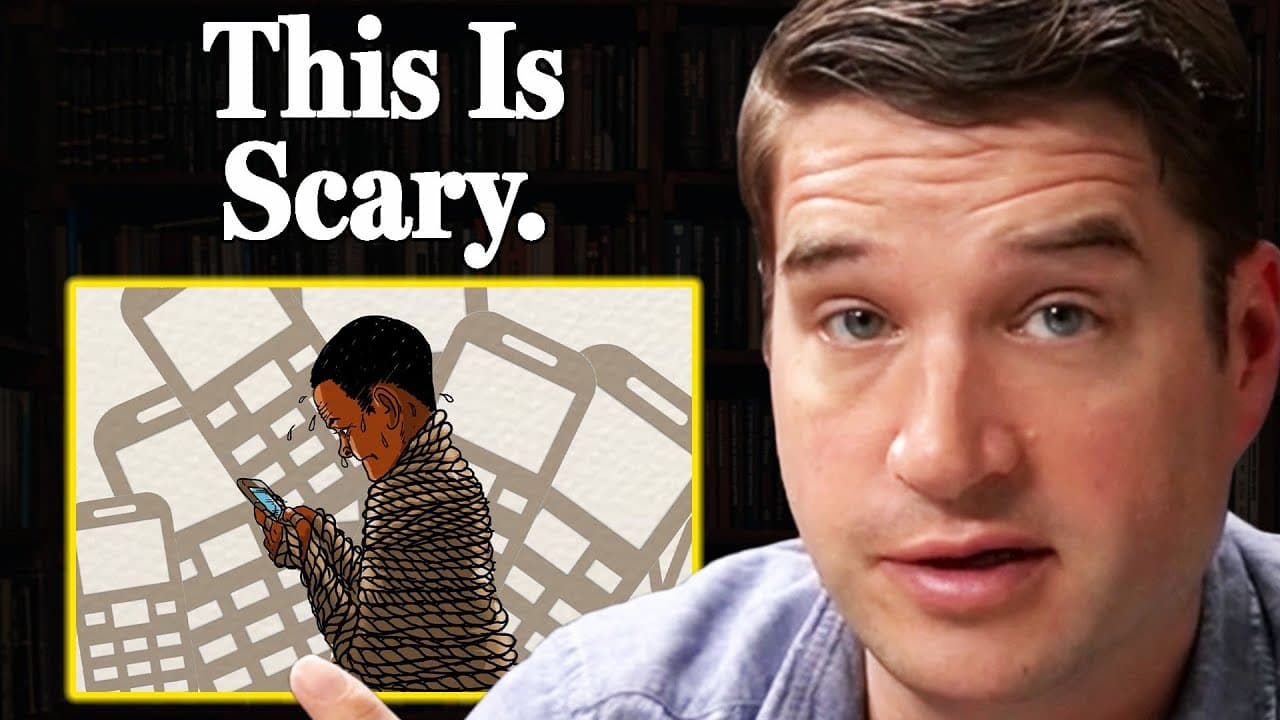
Digital Minimalism guides using technology with intention, not impulse. It argues that detox alone fails because phones satisfy psychological needs, and suggests a deliberate philosophy and rules to support valued life goals. Try a 30 day declutter to rediscover what truly matters and design your tech use around that.
Transcript
hi i'm cal newport i want to give you a short summary of my 2019 book digital minimalism so i'll start with the inspiration for writing this book i had begin to notice around 2016 2017 that people were becoming increasingly uneasy about their relationship with their phones the real issue they were having was how much time they were spending looking... Read More
Key Insights
- Digital Minimalism is not about fewer gadgets but about intentional use aligned with valued activities.
- Detox attempts fail because phones are engineered to capture attention and satisfy psychological needs.
- Clever app tweaks cannot fix a fundamentally problematic system; a philosophy of use is required.
- Technology should amplify valued life activities, such as social connection or hobbies, not dominate attention.
- Rules around technology use make positive changes sustainable, while avoiding negative behavior alone is harder to maintain.
- A positive vision of life provides stronger motivation for change than simply avoiding digital stress.
- Decluttering for 30 days encourages reflection and experimentation to rediscover meaningful purposes.
- Missing out is acceptable when it supports the life you want, and it reinforces deliberate choice over impulse.
Install to Summarize YouTube Videos and Get Transcripts
Explore YouTube Video Summarizer or Get YouTube Transcript Extractor
Questions & Answers
Q: How can Digital Minimalism help me use social media more intentionally
Digital Minimalism helps by starting with a clear vision of what you value and then choosing technology to support those values. For example, if social connection and cycling are important, you might join a cycling Facebook group but limit it to direct interactions related to that goal. You would avoid scrolling the news feed and mirror settings to keep attention focused, using rules that reinforce your purpose rather than chasing novelty.
Q: What is the main problem with detoxing as a solution to phone use
Detox fails because the phone is engineered to be habit forming and to pacify existential anxiety. Even if you remove it temporarily, the underlying need remains unaddressed, and when the opportunity to reengage arises, old impulses return. A philosophy of use provides long term changes by aligning tech with meaningful life goals.
Q: Why does the speaker believe fixes to apps or platforms are insufficient
Fixes to the apps or platforms assume the problem lies in minor design tweaks rather than in the overall structure of how technology competes for our time. The issue is systemic: attention markets are engineered to maximize engagement. A value based use philosophy sets boundaries that no single app tweak can bypass.
Q: What role does the 30 day digital declutter play in applying the method
The 30 day digital declutter is a practical starting point to aggressively reflect and experiment with technology use. It helps you rediscover what you truly care about and tests how life feels without certain digital tools. This process builds the foundation for a sustainable, intentional tech routine.
Q: How should one use technology to support social connection and hobbies
Identify specific, meaningful uses such as joining a local cycling group online, or coordinating rides via a group rather than passively consuming feeds. Create rules that keep you within those boundaries, like only engaging with tech when it directly serves the goal and avoiding unrelated content that drains time.
Q: What does it mean to miss out on other tools
Missing out means consciously choosing not to adopt every new tool or feature because it does not advance your core goals. It is a deliberate stance to preserve time and attention for what matters most, accepting that some opportunities will be forgone for a better aligned life.
Q: How does one ensure changes are sustainable over time
Sustainability comes from building positive routines around a clear life vision and from rules that reinforce those routines. When a craving hits, you can rely on your commitment to the underlying goals rather than relying on negative behavior control alone, making it easier to resist impulse use.
Q: What is the difference between intention and minimization in Digital Minimalism
Intention means using technology purposefully to amplify valued activities, while minimization implies reducing tech as an end itself. Digital Minimalism focuses on purpose driven tech choices and the boundaries you set, rather than simply owning less technology.
Summary & Key Takeaways
-
Digital Minimalism proposes an intentional philosophy of technology use aligned with personal values, rather than removing tech entirely. It emphasizes choosing tools that support core goals and creating rules to avoid attention traps. The approach seeks sustainable behavior change through positive, value driven usage.
-
A key argument is that detox approaches fail because phones pacify existential discomfort, while well designed usage rules enable lasting change. The method prioritizes meaningful engagement over the allure of constant updates and requires commitment to a life centered on chosen values.
-
The practical step recommended is a 30 day digital declutter to reflect and experiment, rediscovering what one genuinely cares about. The declutter helps participants test what tech actually enhances their life and remove distractions that do not serve their aims.
Read in Other Languages (beta)
Share This Summary 📚
Summarize YouTube Videos and Get Video Transcripts with 1-Click
Try YouTube Summary with ChatGPT & Claude or YouTube Transcript Generator
Explore More Summaries from Cal Newport 📚
Summarize YouTube Videos and Get Video Transcripts with 1-Click
Try YouTube Summary with ChatGPT & Claude or YouTube Transcript Generator