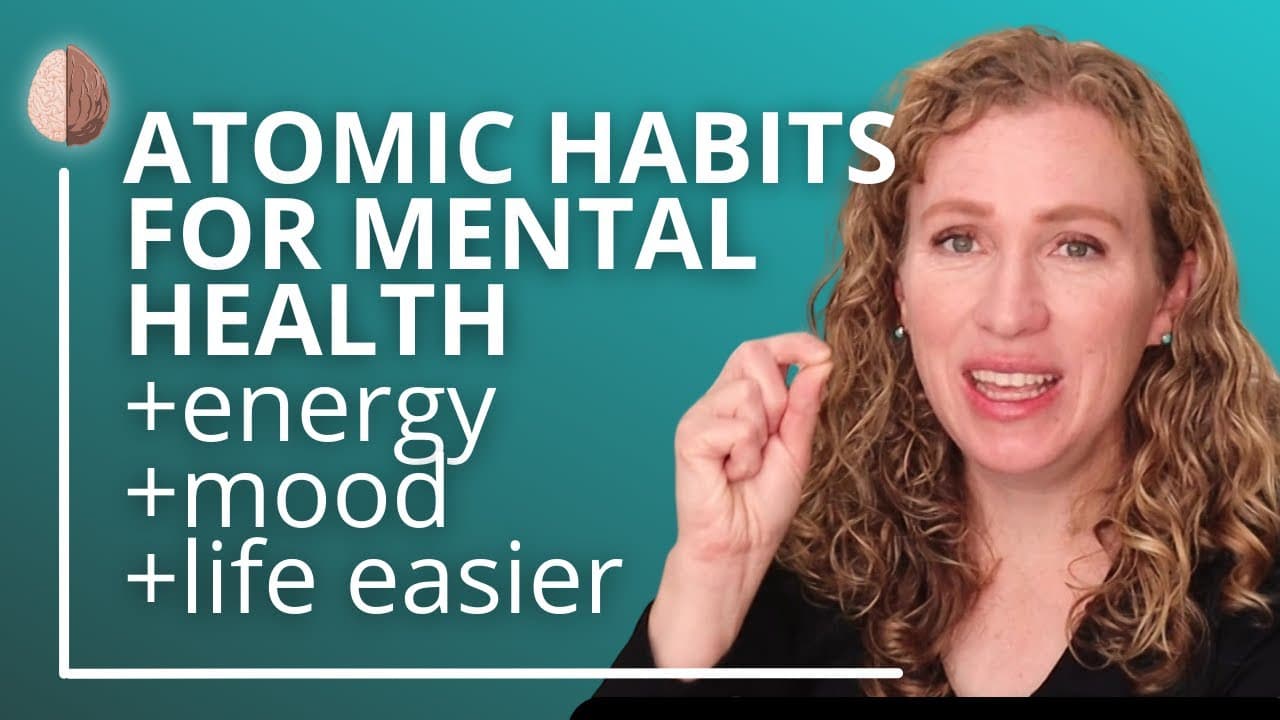
How to Improve Mental Health With Tiny Habits
TL;DR
Start with one small mental health habit that requires little energy, then repeat it until it becomes easy. Simple systems and visible tracking can reduce reliance on willpower, while gradual improvements in exercise, sleep, diet, mindfulness, light exposure, and relationships can create enough energy and motivation to support additional positive changes.
Transcript
There's two ways to think about mental health. And stuck in the first one. Most people believe that you get diagnosed with depression or anxiety it's all you can do is learn to cope with it. Now, I I think of it on a scale. When your symptoms are and when your symptoms are mild or when your life anymore. Depression and anxiety disorders can And thi... Read More
Key Insights
- Mental health symptoms exist on a scale, and depression or anxiety need not be treated only as permanent traits. When symptoms become mild or go away, they interfere less with daily life, which supports a more active and hopeful approach to improvement.
- Large lifestyle changes often fail because they require substantial motivation and willpower. Plans such as running a marathon, beginning a demanding diet, or making several changes simultaneously can become exhausting, leading people to quit and feel more discouraged.
- Tiny habits can build on one another by making life easier and increasing available energy. A manageable improvement in one area can provide enough capacity to add another behavior later, producing a positive cycle instead of overwhelming the person at the beginning.
- The best first habit is the useful change that requires the least energy for that individual. Someone who enjoys exercise might begin with movement, while someone who finds social contact exhausting might choose light therapy or another simpler action.
- A habit becomes easier when a supporting system removes repeated decisions. Filling a pillbox, placing it near the breakfast area, and connecting medication with breakfast can make consistent action simpler than relying on memory and motivation every day.
- Visible tracking can reinforce consistency by showing whether the chosen behavior happened. The discussion cites marking a calendar and also suggests using a habit tracker, with the goal of giving yourself credit for completing the small change.
- Mental health habits can target several areas, including morning light, nutrition, movement, sleep, mindfulness, nature, media consumption, and relationships. The recommendation is to choose one accessible option, not to attempt the entire list at once.
- Language habits can influence how setbacks are interpreted. Replacing absolute terms such as "always" and "never," or changing "failure" into a statement about not succeeding yet, encourages less rigid thinking and a more courageous response to difficulty.
Install to Summarize YouTube Videos and Get Transcripts
Explore YouTube Video Summarizer or Get YouTube Transcript Extractor
Questions & Answers
Q: How can tiny habits improve mental health?
Tiny habits can improve mental health by making positive actions manageable when depression or anxiety has reduced energy and motivation. A small behavior takes less willpower, becomes easier through repetition, and may make daily life slightly less difficult. That improvement can provide enough energy to add another small behavior later, allowing helpful changes to accumulate gradually over time.
Q: Why do large mental health improvement plans often fail?
Large plans often fail because they require substantial effort, motivation, and willpower from someone who may already feel exhausted or overwhelmed. A person might plan a marathon, begin a demanding diet, or attempt several major changes at once. The effort becomes harder to sustain, the person quits, and the resulting discouragement can leave them feeling worse rather than better.
Q: What is the best first habit for improving mental health?
The best first habit is a useful change that requires the least amount of energy for the individual. The choice depends on what already feels accessible. A person who enjoys exercise might add movement, while someone who finds social interaction draining might start with morning light. The habit should be practiced until it feels easier before another change is added.
Q: How do systems make healthy habits easier to maintain?
Systems make habits easier by reducing the need to remember, decide, and rely on motivation each day. For medication, a person could fill a pillbox, place it near the breakfast area, and connect taking it with breakfast. This arrangement provides a visible record and a consistent cue, making the behavior simpler and more automatic within an existing routine.
Q: How can habit tracking support mental health changes?
Habit tracking provides a visible way to recognize that a chosen action was completed. The discussion describes marking a calendar for each successful day and also suggests using a habit-tracking tool. Tracking is paired with giving yourself credit for the change, which can support consistency while the behavior is repeated long enough to become easier.
Q: What small habits can help improve sleep?
Small sleep-related changes can include waking at the same time each day, examining caffeine use, reserving the bed for sleep, and enabling Do Not Disturb mode on a phone at night. A person can also keep a notebook nearby for a brain dump. The approach is to select one manageable sleep habit rather than attempting every option simultaneously.
Q: What simple mindfulness habits can fit into a busy day?
Mindfulness can be practiced through very brief pauses during activities that already happen. Suggested options include slowing the breath in the car, driving without additional stimulation for a moment, allowing thoughts to wander, or taking a deep breath during a bathroom break instead of looking at a phone. These practices reduce the effort required to begin.
Q: How can relationships and media habits support mental health?
Relationships can be strengthened through small actions such as sending a message, calling someone to ask how they are doing, or expressing appreciation to a partner, friend, boss, or coworker. Media habits can also be adjusted by limiting news, unfollowing accounts that create distress, and following more uplifting sources. Each change is intended to remain small and manageable.
Summary & Key Takeaways
-
Depression and anxiety can be viewed on a scale rather than as permanent traits. Symptoms may become less disruptive when people gradually address contributing factors. Research cited in the discussion associates aerobic exercise, healthier eating, therapy, insomnia treatment, light therapy, and meditation with improvements in depression or anxiety.
-
Large improvement plans often demand too much willpower, become exhausting, and end in discouragement. Tiny habits provide a more manageable alternative. Each successful change can make life slightly easier, improve energy, and create capacity for another change, allowing multiple benefits to accumulate gradually instead of depending on one dramatic effort.
-
The recommended method has three parts: select the easiest useful change, build a system that reduces daily decisions, and track the behavior visibly. Possible starting points include morning light, medication routines, vegetables, movement, consistent waking, reduced caffeine, breathing practice, gratitude, supportive social contact, and healthier media boundaries.
Read in Other Languages (beta)
Share This Summary 📚
Summarize YouTube Videos and Get Video Transcripts with 1-Click
Try YouTube Summary with ChatGPT & Claude or YouTube Transcript Generator
Explore More Summaries from Therapy in a Nutshell 📚

Summarize YouTube Videos and Get Video Transcripts with 1-Click
Try YouTube Summary with ChatGPT & Claude or YouTube Transcript Generator