How Does Choline Relate to Anxiety Disorders?
TL;DR
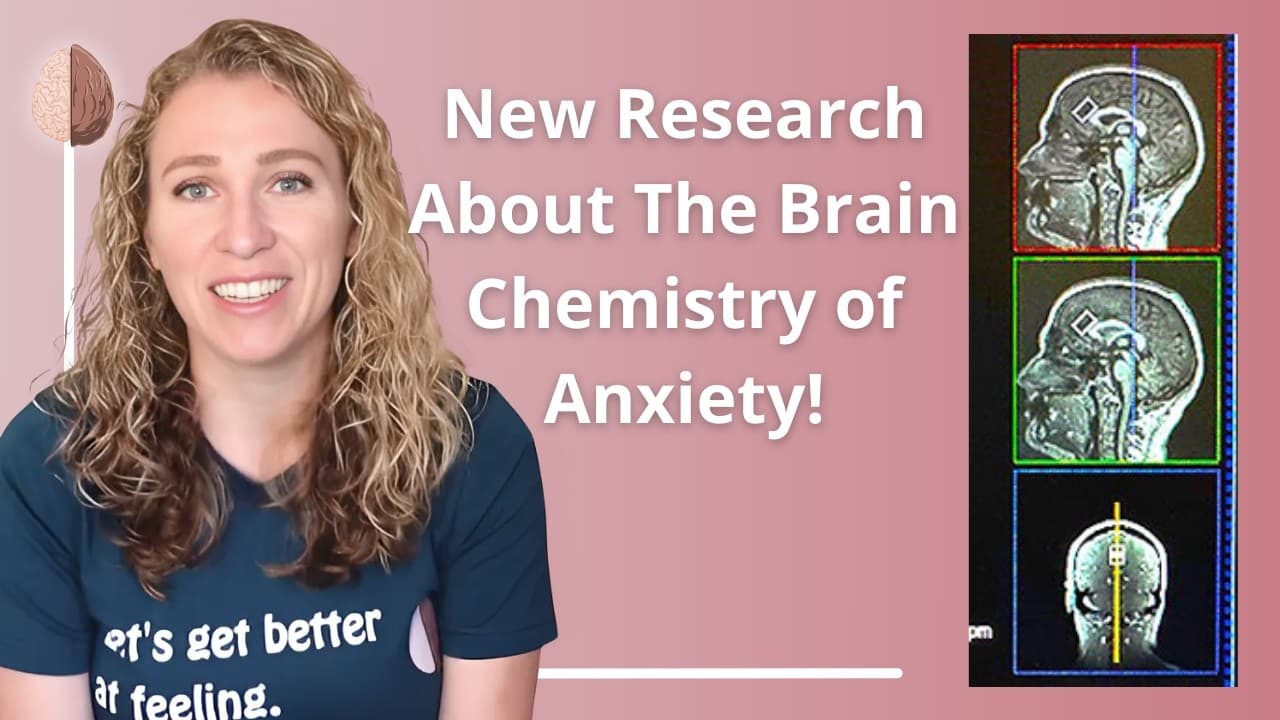
People with anxiety disorders had lower brain choline on average, but the research shows an association, not that low choline causes anxiety. Evidence does not establish choline supplements as an anxiety treatment, so a safer practical response is to prioritize choline-containing foods and established supports such as sleep, exercise, therapy, meditation, nature time, and social connection.
Transcript
Some fascinating research about anxiety just came out. It found that people with anxiety have less choline in the brain than those without anxiety disorders. Now, anxiety disorders are a complex condition that are fueled by many contributing factors, but up to 30% of the population has one. And this includes generalized anxiety disorders,... Read More
Key Insights
- Lower brain choline is associated with anxiety disorders, according to a meta-analysis that compared participants with anxiety against people without anxiety. The average difference was measurable, but the study design cannot determine whether low choline contributes to anxiety or results from prolonged nervous system activation.
- The research is a meta-analysis published in the peer-reviewed journal Molecular Psychiatry. It combined findings from separate studies and used a moderate overall participant pool, making the result meaningful enough for further investigation while still leaving important questions about causality and treatment unanswered.
- Choline is an essential nutrient involved in metabolism and the maintenance of cell membranes. It also contributes to memory, mood, and muscle movement, while most required choline must come from dietary sources because the body produces only a small amount.
- Acetylcholine is made with choline and helps regulate attention, memory, and the nervous system. It is important to the parasympathetic rest and digest response, which helps slow the heart rate, reduce physiological anxiety, and support recovery after fight or flight activation.
- Anxiety is a whole-body nervous system state rather than only a problem of thoughts or mindset. Brain activity, nutrient availability, trauma, habitual avoidance, stress chemicals, and patterns involving the amygdala and prefrontal cortex may all contribute to how anxiety develops and persists.
- The study establishes correlation rather than causation. Low choline might make it harder to shift out of fight or flight, but ongoing anxiety could also deplete choline. The available research cannot determine which direction explains the observed difference, or whether both processes are involved.
- Choline supplementation is not established as a treatment for anxiety, depression, or ADHD. Observational findings and limited small studies offer reasons for additional research, but inconsistent supplement forms, limited samples, and unavailable trial results prevent reliable treatment conclusions.
- Established anxiety supports have stronger evidence than choline supplements. Sleep, exercise, balanced nutrition, the Mediterranean Diet, therapy, CBT, exposure therapy, meditation, nature time, and social support can contribute to a broader wellness system without treating one nutrient as a magic solution.
Install to Summarize YouTube Videos and Get Transcripts
Explore YouTube Video Summarizer or Get YouTube Transcript Extractor
Questions & Answers
Q: What did the brain research find about choline and anxiety?
The meta-analysis found that people with anxiety disorders had less choline in the brain on average than people in the control groups. Researchers measured brain chemistry through imaging rather than tissue samples. The finding suggests a chemical pattern associated with anxiety, but it does not prove that low choline causes anxiety or that increasing choline will reduce symptoms.
Q: Does low choline cause anxiety disorders?
The available research cannot determine whether low choline causes anxiety. Reduced choline could make nervous system regulation more difficult, but persistent fight, flight, or freeze activation could also contribute to choline depletion. Anxiety has many possible contributors, including trauma, avoidance habits, brain activity patterns, and stress-related chemistry, so choline cannot be treated as a single explanation.
Q: What does choline do in the brain and body?
Choline is an essential nutrient that supports metabolism and the maintenance of cell membranes. It is also needed to make acetylcholine, a neurotransmitter involved in attention, memory, mental clarity, muscle movement, and nervous system regulation. Because the body makes only a small amount, most choline must be obtained through dietary sources.
Q: How might acetylcholine affect anxiety regulation?
Acetylcholine supports the parasympathetic nervous system, often described as the rest and digest system. This system helps slow the heart rate, reduce physiological anxiety, move the body out of fight or flight, and support relaxation and recovery. Weaker acetylcholine signaling might make downshifting harder, although the research presented does not prove that this mechanism causes anxiety disorders.
Q: Can choline supplements treat anxiety?
Current evidence does not show that choline supplements reliably treat anxiety. Some observational research associates higher plasma choline with lower anxiety symptoms, and limited studies have examined supplementation in other conditions. However, findings are mixed, supplement forms vary, sample sizes are limited, and relevant trial results remain unavailable. Choline should not be considered a proven anxiety treatment.
Q: What foods provide dietary choline?
Dietary sources named in the transcript include beef liver, egg yolks, chicken, fish, salmon, soybeans, milk, beans, legumes, broccoli, and Brussels sprouts. Since the body produces only a small amount of choline, food supplies most of what it needs. Adding nutrient-rich foods may be a reasonable consideration while stronger supplementation research is still pending.
Q: What are the risks of taking too much choline?
More choline is not necessarily better, especially because supplementation has not been studied enough as an anxiety intervention. The transcript warns that excessive choline can cause a fish-like body odor, headaches, liver harm, and other side effects. Anyone considering supplementation should speak with a doctor instead of assuming that a higher dose will produce greater benefits.
Q: What approaches have stronger evidence for managing anxiety?
Approaches with more established support include adequate sleep, exercise, balanced nutrition, the Mediterranean Diet, therapy, CBT, exposure therapy, meditation, time in nature, and social support. These strategies address different parts of the broader wellness system. They are more evidence-based than treating choline as a quick fix, while nutritional research continues to clarify its possible role.
Summary & Key Takeaways
-
A meta-analysis published in Molecular Psychiatry combined findings from multiple studies comparing people with anxiety disorders with control groups. Using brain chemistry measurements from imaging, researchers found lower average choline among participants with anxiety, while the other examined chemicals did not show significant group differences. The finding identifies an association, not a proven cause.
-
Choline is an essential nutrient involved in metabolism, cell membranes, and the production of acetylcholine. Acetylcholine supports attention, memory, muscle movement, and parasympathetic nervous system regulation. Because the body produces only a small amount of choline, most must come from food, including eggs, fish, chicken, soybeans, milk, legumes, and cruciferous vegetables.
-
Current evidence does not show that choline supplements treat anxiety, depression, or ADHD. Lower brain choline could contribute to difficulty regulating anxiety, or persistent fight, flight, or freeze activation could reduce choline. Until stronger trials provide answers, established approaches such as sleep, exercise, nutrition, therapy, exposure, meditation, nature, and social support remain better supported.
Read in Other Languages (beta)
Share This Summary 📚
Summarize YouTube Videos and Get Video Transcripts with 1-Click
Try YouTube Summary with ChatGPT & Claude or YouTube Transcript Generator
Explore More Summaries from Therapy in a Nutshell 📚

Summarize YouTube Videos and Get Video Transcripts with 1-Click
Try YouTube Summary with ChatGPT & Claude or YouTube Transcript Generator