What Does a Director Do in Film Production?
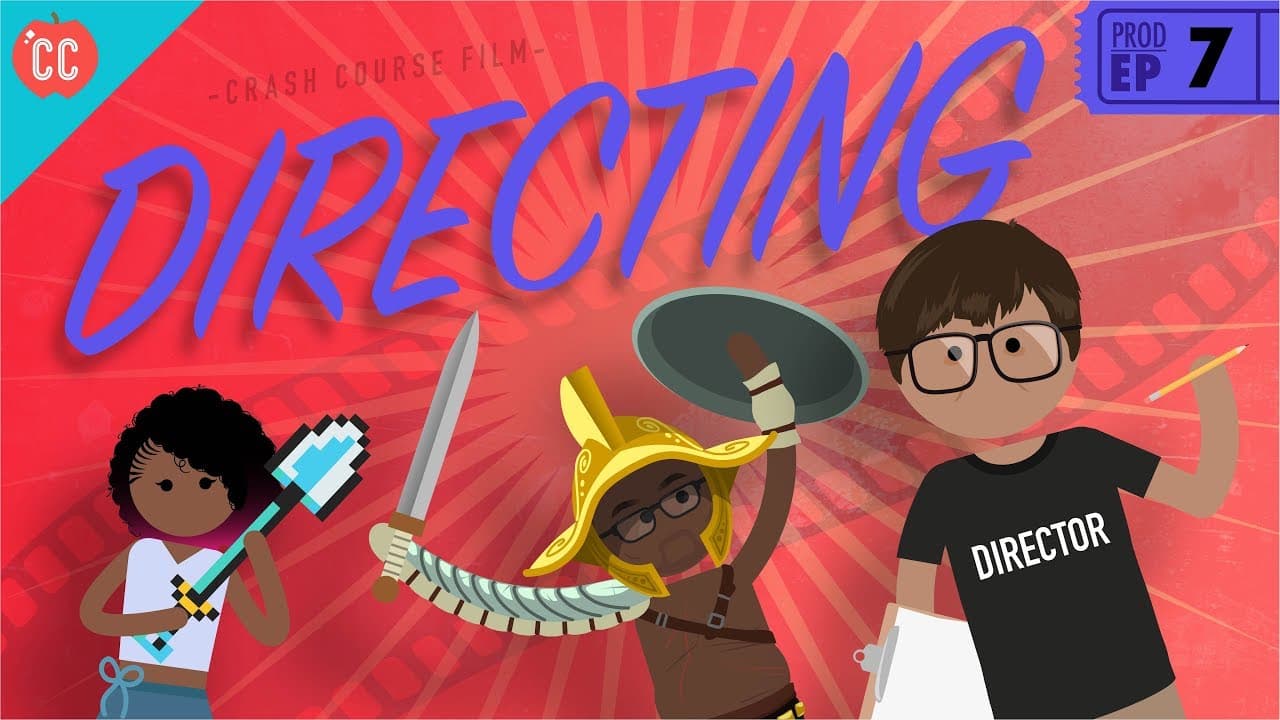
TL;DR
A director guides the film's vision by communicating effectively with actors and crew while fostering a safe environment for genuine performances. They ask critical questions to direct actors and make key decisions about camera placement, ensuring the film's narrative is cohesive and impactful. From pre-production to post-production, the director's role is integral to unlocking the best version of the story.
Transcript
So, I have a script to work off of, to tell you about directing. But what do you think we should do in this video? Should I show you what a director does? Should I explain everything a director does? Should I try to get you to guess what a director does? People often assume that the director has all the answers, but directors ask a lot of questions... Read More
Key Insights
- Directors are not omniscient but ask questions to guide the film's vision, focusing on actor direction and camera placement.
- A director's role involves creating a safe space for actors to explore characters, ensuring genuine performances rather than mere puppetry.
- Clear, actionable directions help actors understand their characters' motivations, avoiding vague instructions that hinder performance.
- Result-oriented directing focuses on surface-level acting, potentially breaking trust and limiting the film's creative potential.
- Rehearsals build trust between directors and actors, allowing for exploration and collaboration before filming begins.
- Directors collaborate with various departments, from production design to costume, to ensure the film's world is cohesive and supports the narrative.
- Camera placement is crucial, motivated by the scene's purpose and character insights, aiding in storytelling clarity even without sound.
- In post-production, directors work closely with editors and composers to uncover the best version of the story, guiding the film to its final cut.
Install to Summarize YouTube Videos and Get Transcripts
Explore YouTube Video Summarizer or Get YouTube Transcript Extractor
Questions & Answers
Q: What are the main responsibilities of a director?
A director's main responsibilities include guiding the creative vision of the film, directing actors with clear and actionable instructions, collaborating with various departments such as production design and cinematography, and overseeing the editing process to ensure the final cut aligns with their vision.
Q: How does a director build trust with actors?
Directors build trust with actors through rehearsals, where they encourage exploration and collaboration. By providing a safe environment for actors to take risks and by avoiding result-oriented directing, directors foster a relationship of mutual respect and understanding, allowing actors to fully inhabit their characters.
Q: What is result-oriented directing and why is it discouraged?
Result-oriented directing focuses on the outward appearance of acting rather than the underlying emotions and motivations. It limits actors to mimicking directions, which can break trust and stifle creativity. This approach is discouraged because it often leads to superficial performances and hinders the collaborative nature of filmmaking.
Q: How do directors collaborate with other departments in filmmaking?
Directors collaborate with departments such as production design, costume, and cinematography to ensure the film's world is cohesive and supports the narrative. They communicate the film's vision, guide decisions on settings, props, and camera placement, and work with editors and composers in post-production to shape the final story.
Q: Why is camera placement important in filmmaking?
Camera placement is crucial because it conveys the story visually, even without sound. It should be motivated by the scene's purpose and character insights, helping the audience understand the narrative, character emotions, and themes. Thoughtful camera work enhances storytelling by providing visual context and depth.
Q: What role does a director play in post-production?
In post-production, directors work closely with editors and composers to refine the film. They guide the editing process to ensure the story is told effectively, making decisions on pacing, scene transitions, and musical scoring. The director's involvement is key to achieving the best version of the story in the final cut.
Q: How do directors ensure genuine performances from actors?
Directors ensure genuine performances by providing clear, actionable directions that help actors understand their characters' motivations and goals. They create a supportive environment for actors to explore their roles and avoid vague instructions that can lead to uncertainty and hinder authentic acting.
Q: What is the significance of rehearsals in film production?
Rehearsals are significant because they allow directors and actors to explore characters and scenes collaboratively before filming. This process builds trust, encourages creative input, and helps actors become more familiar with their roles, leading to more authentic and nuanced performances during production.
Summary & Key Takeaways
-
The director's role encompasses guiding the film's vision, asking the right questions, and communicating effectively with actors and crew. They ensure a safe environment for actors to explore their characters, providing clear directions to foster genuine performances.
-
Directors avoid result-oriented directing by engaging in rehearsals, building trust with actors, and collaborating with creative departments. This approach allows for a more nuanced and collaborative filmmaking process, enhancing the film's overall quality.
-
From pre-production to post-production, directors oversee every aspect of filmmaking, including camera placement and editing. Their leadership and decision-making are crucial in shaping the final film, ensuring it aligns with their creative vision.
Read in Other Languages (beta)
Share This Summary 📚
Summarize YouTube Videos and Get Video Transcripts with 1-Click
Try YouTube Summary with ChatGPT & Claude or YouTube Transcript Generator
Explore More Summaries from CrashCourse 📚

Summarize YouTube Videos and Get Video Transcripts with 1-Click
Try YouTube Summary with ChatGPT & Claude or YouTube Transcript Generator