How Does Hype Marketing Make Products Go Viral?
TL;DR
Hype marketing turns an ordinary product into a status symbol by combining an attention-grabbing spark, shareable product design, scarcity, and resale activity. Labubu illustrates this flywheel through celebrity exposure, blind-box unboxings, limited drops, and remarkable auction prices, with each stage generating more curiosity, content, fear of missing out, and demand.
Transcript
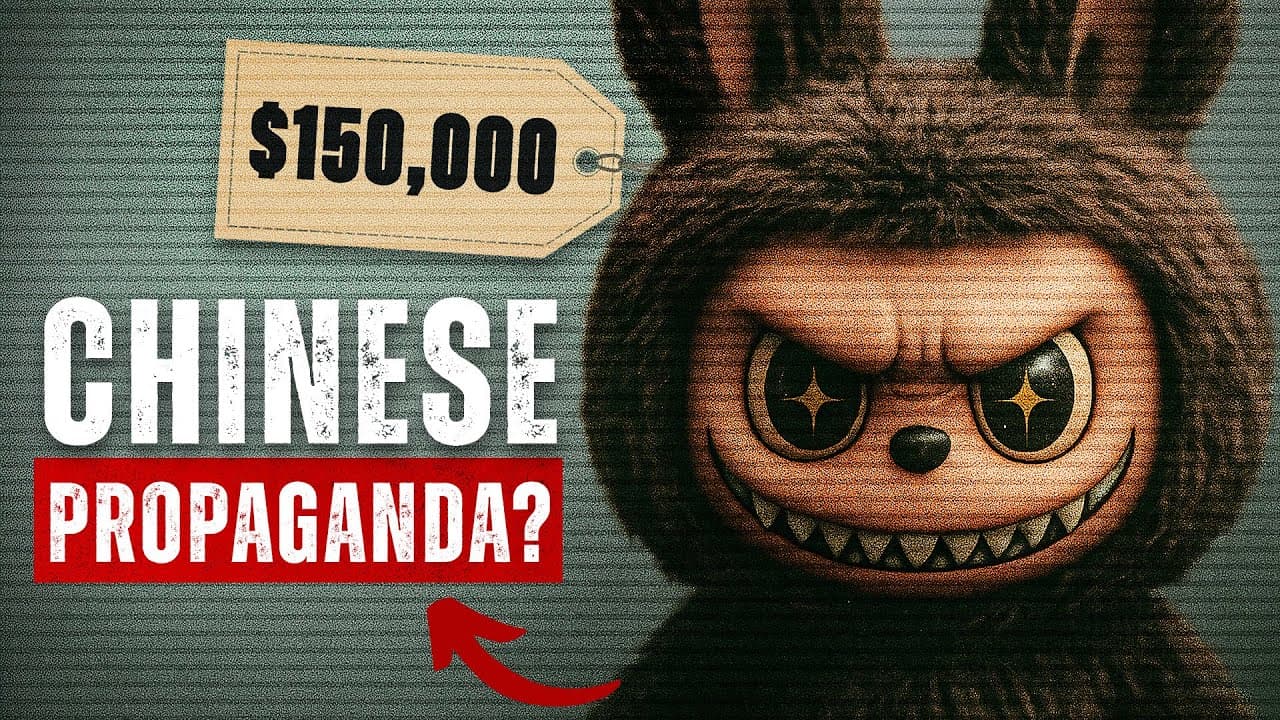
The itsybitsy spider went up. Hi everybody. Look at this doll. This ugly, creepy looking doll from China is being sold on the black market for $150,000 or 1.2 cr rupees. This is a Labu doll. A humansized Laboo figure has just sold for $150,000 US. Chinese retailer Popmark drops a new Laboo designer toy. We're just 15 minutes after the mall opened, ... Read More
Key Insights
- The hype-marketing flywheel begins with a clear spark that makes people ask what a product is and why others want it. For Labubu, Lisa’s April 2024 Instagram photo with the doll created an organic moment that exposed the collectible to millions of her fans.
- An effective spark is often an earned cultural moment rather than a conventional advertising campaign. Stanley gained attention from a viral video showing a cup intact inside a burned car, while Prime used the combined reach and rivalry narrative of Logan Paul and KSI.
- A content-worthy product gives customers a reason to amplify its story. Labubu’s blind boxes conceal which figure is inside, turning each purchase into an unboxing narrative with a promised reveal that can sustain curiosity and viewer retention.
- Social amplification transforms consumption into public participation. Labubu buyers filmed unboxings and displayed collections, Prime customers showed off bottles, and Stanley owners created content around the tumbler’s noticeable size, making each product a collectible, conversation piece, or online status symbol.
- Scarcity creates fear of missing out by making access uncertain and time-sensitive. Pop Mart released Labubu dolls in small batches, leading to overnight lines and rapid sellouts, while Prime drops prompted early queues and store limits of one bottle per customer.
- A resale market converts limited availability into visible evidence of demand. Labubu dolls priced around $30 could resell for hundreds of dollars, and one rare figure reportedly reached $150,000 at auction, producing headlines that fed attention back into the marketing flywheel.
- The product’s symbolic meaning can matter more than its functional purpose. Children associated Prime with creators they admired rather than focusing on electrolytes, while Stanley and Labubu became objects people could collect, display, discuss, and use to signal membership in a trend.
- The recurring hype pattern combines an organic spark, customer-created content, scarcity, and secondary-market activity. The products change, but examples including Labubu, Prime, Stanley, and Liquid Death show how simple goods can gain attention and commercial momentum far beyond their basic utility.
Install to Summarize YouTube Videos and Get Transcripts
Explore YouTube Video Summarizer or Get YouTube Transcript Extractor
Questions & Answers
Q: How does the hype-marketing flywheel work?
The hype-marketing flywheel begins with an organic spark that attracts curiosity. Social amplification then encourages customers and creators to spread the story through content. Limited supply adds scarcity and fear of missing out. Finally, resale activity produces remarkable prices and headlines, which create more attention and send new buyers back into the same cycle of curiosity, participation, and demand.
Q: Why did Labubu dolls become so popular?
Labubu became popular through a combination of celebrity exposure, shareable design, mystery, and scarcity. Lisa posted a photo hugging a Labubu doll in April 2024, introducing it to millions of fans. Blind boxes encouraged unboxing videos because buyers did not know which figure they would receive, while small product drops produced queues, sellouts, resale demand, and additional headlines.
Q: What role did Lisa play in Labubu’s popularity?
Lisa provided the initial spark described in the hype-marketing flywheel. In April 2024, she posted an Instagram photo of herself hugging a Labubu doll. Millions of fans noticed the collectible, making it appear culturally relevant without a billboard or large advertising campaign. That organic exposure encouraged curiosity and helped transform an obscure toy into a product people wanted to discuss and own.
Q: Why are blind boxes effective for hype marketing?
Blind boxes turn a purchase into a suspenseful experience because customers cannot see which figure they will receive until the package is opened. That uncertainty creates a natural story for short videos, with viewers waiting for the reveal. It also encourages collectors to discuss favorites, display collections, and potentially buy again when they want a particular Labubu figure.
Q: How does scarcity increase demand for products?
Scarcity makes customers believe they may lose the opportunity to buy a desired product. Pop Mart released Labubu dolls in small batches, causing some stores to sell out within minutes and motivating fans to line up overnight. Prime created similar pressure through scheduled drops, early queues, sellouts, and one-bottle purchase limits. Each shortage made the products seem more desirable and noteworthy.
Q: How does resale activity strengthen product hype?
Resale activity gives the public visible evidence that a product is difficult to obtain and highly desired. Labubu dolls costing around $30 could sell for hundreds of dollars, while one rare figure reportedly sold for $150,000 at auction. Such prices generate attention and headlines, which expose the product to more people and reinforce the belief that ownership is valuable or prestigious.
Q: What made Stanley and Prime useful hype-marketing examples?
Stanley and Prime followed the same broad pattern described for Labubu. Stanley received a spark from a viral video showing a cup intact inside a burned car, then became a collectible featured in online content. Prime began with Logan Paul and KSI, whose combined audience supplied immediate attention. Limited availability and public displays helped both products become social badges rather than merely functional goods.
Q: What can businesses learn from Labubu’s marketing strategy?
Businesses can design products and launches that naturally give customers stories to share. The case study recommends finding one clear spark, making the product visually or experientially suitable for content, and using limited drops to create urgency. Resale attention can further amplify demand, but the central lesson is that a product should invite participation, conversation, collecting, or public display.
Summary & Key Takeaways
-
Labubu demonstrates how hype can make a simple collectible extraordinarily desirable. An organic celebrity post supplied the initial spark, while the doll’s unusual appearance and blind-box format encouraged curiosity. Fans then created unboxing videos, displayed collections, and treated ownership as a visible sign of participation in a rapidly expanding cultural trend.
-
Scarcity intensified Labubu demand because Pop Mart released dolls in small batches that could sell out within minutes. Buyers lined up overnight, while the uncertainty of blind boxes made specific figures harder to obtain. Limited availability created fear of missing out, encouraged repeat purchases, and gave every reported sellout additional promotional value.
-
A resale market completed the hype flywheel by converting scarcity into remarkable prices and newsworthy stories. Labubu figures costing around $30 could fetch hundreds of dollars, while one rare figure reportedly sold for $150,000. Similar patterns appeared with Prime and Stanley, showing how resale headlines can reinforce attention, status, and demand.
Read in Other Languages (beta)
Share This Summary 📚
Summarize YouTube Videos and Get Video Transcripts with 1-Click
Try YouTube Summary with ChatGPT & Claude or YouTube Transcript Generator
Explore More Summaries from Think School 📚




Summarize YouTube Videos and Get Video Transcripts with 1-Click
Try YouTube Summary with ChatGPT & Claude or YouTube Transcript Generator