What is life like in Afghanistan beyond headlines?
TL;DR
Afghanistan blends harsh realities with enduring hospitality, ancient traditions, and a mosaic of communities. The video reveals how mountains shape settlement, the code of hospitality as social insurance, and hidden limits on women despite vibrant markets, food, and crafts that bind people together.
Transcript
[singing] Walk into an old valley in the middle of Asia and the first thing you meet a boasts breathtaking [music] landscapes featuring deep sapphire blue natural lakes and a tower more than [music] 200 ft tall, standing alone in an empty gorge where almost no one lives. The first place this country ever [music] put on the world's heritage map. Far... Read More
Key Insights
- Afghanistan is defined by its mountainous terrain which directs settlement patterns and historical invasions.
- Hospitality is a core social contract, with rules that compel individuals to shelter travelers and defend guests at personal risk.
- The social fabric is organized around quam, kin networks, and jurga councils that resolve disputes without formal judges.
- Traditions like Purda and Melmia reflect long standing gender norms intertwined with religious and cultural history.
- Women’s public visibility is selectively shaped by law, education access, and social expectations that vary by region and era.
- Markets showcase a mosaic of ethnic groups and crafts, including carpets, birds, lapis lazuli, and breads, linking daily life to national identity.
- Bazaars and family meals center community life, with Kabuli pala as a symbol of hospitality and honor in Afghan culture.
- The documentary emphasizes the paradox of openness to guests and the exclusion of women from many public spheres.
Install to Summarize YouTube Videos and Get Transcripts
Explore YouTube Video Summarizer or Get YouTube Transcript Extractor
Questions & Answers
Q: A real search query question about the video (e.g. 'How to...', 'What is...', 'Why does...', 'When should...'). Question 1
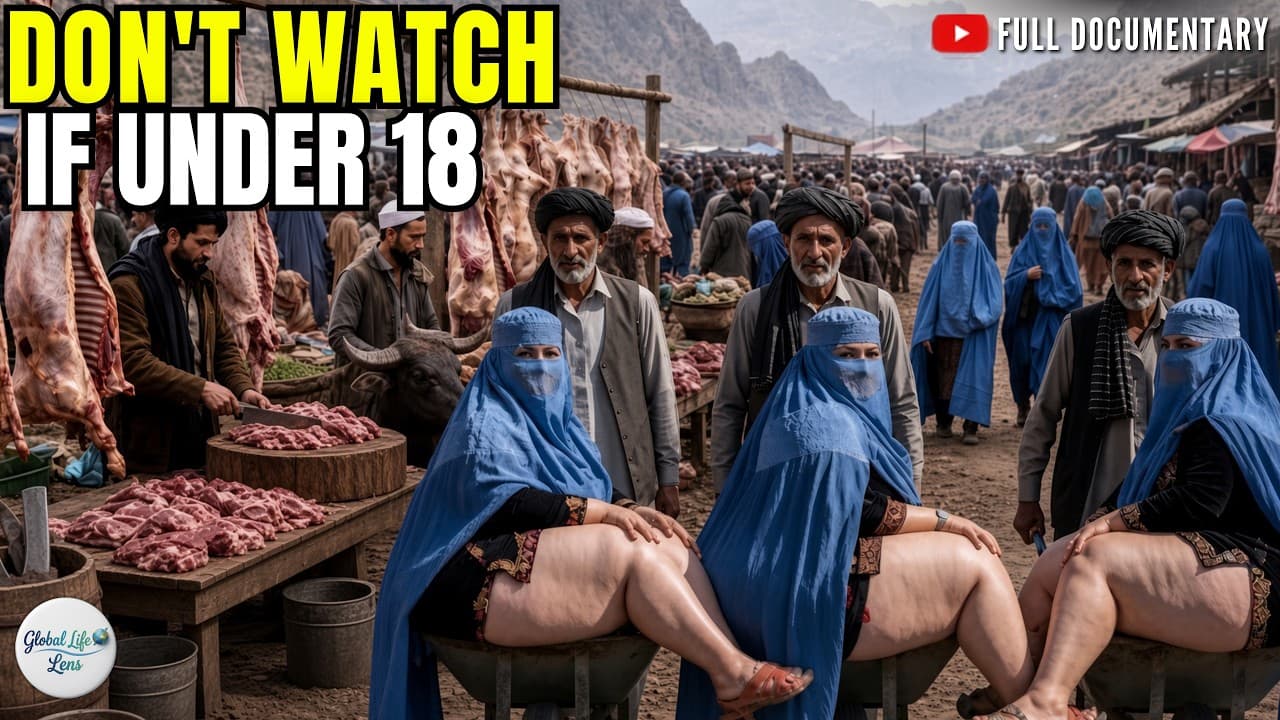
What is life like in Afghanistan beyond headlines and how do traditions, family honor, and modern rule shape daily life? The video walks through landscapes and villages to show how hospitality is guarded as social insurance, how communities operate through kin networks, and how women experience restrictions within a broader culture of welcome and neighborliness. It also highlights markets, food, and crafts that sustain identity.
Q: Question 2
What role does hospitality play in Afghan life and why is it considered crucial? Hospitality is framed as a universal duty that makes a stranger a guest worth protection, backed by a code called Melmia and a law like nanowatai. This system turns hospitality into practical insurance against hardship, ensuring that even in harsh conditions a guest can find aid and shelter, reinforcing social cohesion.
Q: Question 3
How do mountains and geography influence Afghan communities according to the video? The Hindu Kush mountains create isolated valleys that shape settlement, agriculture, and local culture. The terrain has historically dictated defense against invaders and preserved diverse languages and customs within small, connected communities that rely on irrigation, seasonal markets, and mountain-based livelihoods.
Q: Question 4
What does the video say about women’s education and public life in Afghanistan after 2021? The film notes that secondary education for girls was halted, and later policies pushed to limit women’s public presence, with statements about veiling and restricted travel. It contrasts this with the ongoing cultural emphasis on hospitality and generosity toward guests in Afghan society.
Q: Question 5
What is the significance of the term quam in Afghan social identity? Quam represents a web of kinship and social ties that can cross ethnic lines, shaping loyalties and behavior more than ethnicity itself. It influences conflict resolution through jurga councils and underpins the social fabric by linking people through shared obligations, honor, and mutual responsibility.
Q: Question 6
How does the video depict Afghan markets and crafts as a reflection of national identity? Markets teem with birds, lapis lazuli, carpets, bread, and regional foods that connect daily life to Afghanistan’s history and trade networks. These goods illustrate cultural diversity and resilience, with artisans and vendors sustaining livelihoods amid political and social shifts.
Q: Question 7
What contradictions does the video highlight about Afghan society? It shows a people who will defend guests at the door yet restrict half of its population from education and public life. This paradox of extreme hospitality alongside limitations on women underscores a layered reality shaped by tradition, religion, and political changes.
Q: Question 8
What inquiries does the video invite from viewers about Afghan life and outsiders' perceptions? It asks viewers to reflect on how hospitality, gender norms, and modern governance interact in Afghan communities, and to share experiences or perspectives from different parts of the world to broaden understanding of life beyond headlines.
Summary & Key Takeaways
-
A landscape shaped by the Hindu Kush influences where people live, how communities organize, and how history visits the present.
-
Hospitable norms like Poshtune Wali and nanowatai create social insurance that protects strangers and guests at personal risk.
-
Markets, crafts, and food traditions reveal a rich, multiethnic society that coexists with restrictions on women and evolving political landscapes.
Read in Other Languages (beta)
Share This Summary 📚
Summarize YouTube Videos and Get Video Transcripts with 1-Click
Try YouTube Summary with ChatGPT & Claude or YouTube Transcript Generator
Explore More Summaries from Global Life Lens 📚


Summarize YouTube Videos and Get Video Transcripts with 1-Click
Try YouTube Summary with ChatGPT & Claude or YouTube Transcript Generator