How to Build Self Respect Through Daily Routines
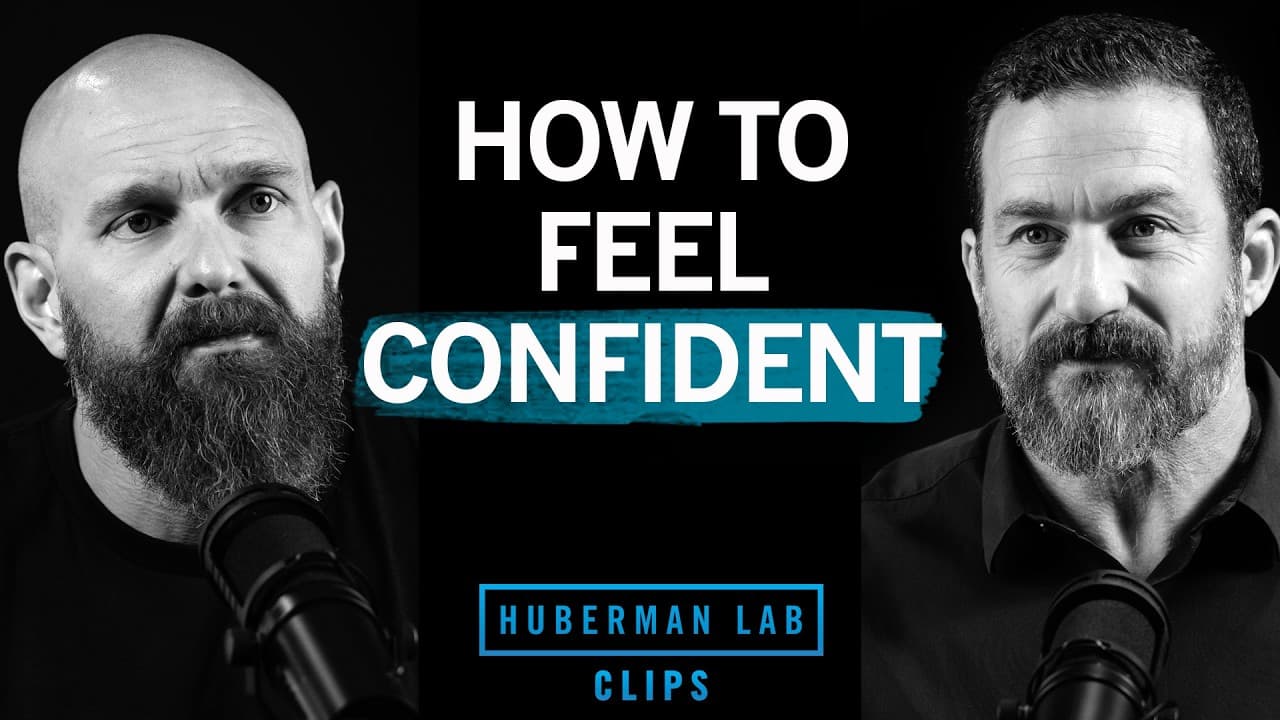
TL;DR
Taking yourself seriously is the cornerstone of real self respect and it starts with daily habits. Begin with a 20 minute walk, maintain a consistent morning routine, and perform micro wins to prove your values in action. Accountability and sharing struggles help sustain long term change and strengthen relationships with family and others.
Transcript
Most people take their feelings seriously. They take their responses to what's going on in their life seriously. You know, that at the center of our consciousness, a previous guest said, you know, is our ego, the the us, the me, the we're all like that to some extent. But taking oneself seriously as a form of self-respect and building up one's abil... Read More
Key Insights
- Self respect is built by taking oneself seriously and aligning actions with stated values. The speakers argue that credibility comes from daily behavior, not past titles or achievements. The message is to live the life you preach.
- Daily routines and consistency are central to personal change, creating predictable patterns that reinforce discipline, health, and responsibility. The emphasis is on practical steps that can be implemented immediately.
- A 20 minute walk is highlighted as a powerful, repeatable practice that strengthens body, mind, and relationships, serving as a tangible commitment that can impact marriages and family dynamics.
- Micro wins are small, verifiable tasks that accumulate to create momentum. Laying out clothes the night before and planning the morning can dramatically reduce stress and save time.
- Accountability means owning both failures and successes, and sharing those experiences publicly or with close circles to accelerate learning and trust.
- Role models matter because people emulate what they see in action, not just what they hear; appearance and behavior should consistently reflect the desired identity.
- Balancing family, career, and personal growth requires deliberate time management and realistic expectations, acknowledging that transitions can strain relationships but can be mitigated by daily routines and joint activities like evening walks.
- Honesty about hardships is valued, and the speakers advocate for discussing challenges openly to facilitate deeper understanding and practical guidance for others.
- More videos from this channel:
- More from this channel: Huberman Lab Clips
Install to Summarize YouTube Videos and Get Transcripts
Explore YouTube Video Summarizer or Get YouTube Transcript Extractor
Questions & Answers
Q: How can I start building self respect today through daily actions
Begin by taking yourself seriously in small, concrete ways. Set a simple, repeatable routine such as a 20 minute walk each day, preferably before other commitments, to establish consistency. Focus on doing what aligns with your stated values rather than what is easy in the moment. Track progress, reflect on outcomes, and gradually add micro wins like planning your outfit and reducing morning friction. This creates credibility through action rather than words.
Q: What role do daily routines play in transforming mindset
Daily routines translate beliefs into behavior, providing a reliable structure that reinforces discipline and purpose. By consciously choosing actions that align with your goals each day, you create a pattern that becomes automatic. Routines reduce mental energy spent on decision making, free up cognitive resources for meaningful work, and reinforce a sense of control over your life.
Q: Why is the 20 minute walk emphasized as a core habit
The 20 minute walk functions as a simple, repeatable practice that supports physical health, mental clarity, and social connection. It is adaptable to different schedules, can involve a partner or family, and serves as a daily commitment you can uphold regardless of circumstances. Consistent walking builds momentum and acts as a routine anchor that stabilizes other habits.
Q: How can someone balance family life with demanding careers
Balance comes from deliberate micro routines that involve family, such as evening walks or shared time rituals. Integrating loved ones into the habit-building process reinforces connection and accountability while making routines sustainable within busy schedules. Recognizing that transitions may be challenging and prioritizing small, repeatable actions helps maintain both relationships and professional goals.
Q: What is the value of sharing personal struggles for growth
Sharing struggles provides a realistic map of growth that others can learn from. It moves the focus from flawless outcomes to actionable insights gained through failure. By describing what went wrong and how you adapted, you model resilience, teach practical strategies, and build trust with others who face similar challenges.
Q: How can micro wins accelerate long term change
Micro wins are tiny, verifiable steps that accumulate over time to create meaningful progress. Examples include laying out clothes the night before, waking earlier, or completing a small task immediately. Each win reinforces self efficacy, reduces resistance to change, and creates a compounding effect that drives sustained improvement.
Q: What makes role models effective in developing self respect
Role models embody the standards you aspire to reach; their visible actions reinforce what is credible and possible. When people see consistency between words and deeds, it strengthens belief in the effort required to reach similar outcomes. A strong role model demonstrates that values are lived daily, not just discussed, making the pursuit tangible.
Q: How can one maintain accountability after leaving a high pressure role
Accountability after a demanding career involves translating prior discipline into new routines that fit a different life context. Establish transparent practices, such as sharing progress with a trusted partner, documenting daily actions, and seeking feedback. By maintaining visible evidence of effort and ongoing learning, it is possible to preserve motivation and integrity during transitions.
Summary & Key Takeaways
-
The discussion frames self respect as a daily practice grounded in how you live, not just what you say. The speakers emphasize showing up consistently, modeling the life you claim to pursue, and using daily routines to translate values into concrete actions.
-
A core tactic is the 20 minute walk, which the speakers describe as a reliable anchor for connection, health, and discipline that can be done in ordinary settings like airports or home routines.
-
The conversation highlights accountability and transparency as driving forces for growth, with the speakers valuing real struggles and failures as teaching tools rather than taboos, encouraging openness to help others improve.
Read in Other Languages (beta)
Share This Summary 📚
Summarize YouTube Videos and Get Video Transcripts with 1-Click
Try YouTube Summary with ChatGPT & Claude or YouTube Transcript Generator
Explore More Summaries from Huberman Lab Clips 📚






Summarize YouTube Videos and Get Video Transcripts with 1-Click
Try YouTube Summary with ChatGPT & Claude or YouTube Transcript Generator