How Nike Turned Brand Controversy Into Growth
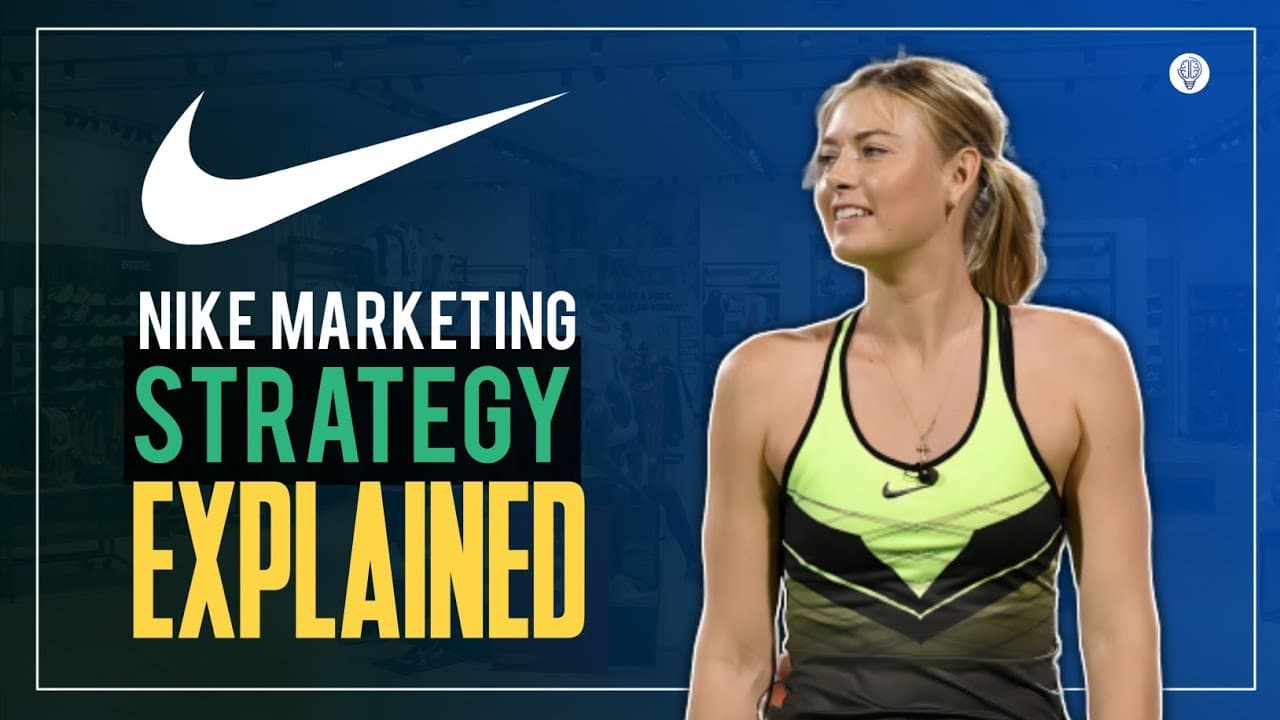
TL;DR
Nike’s 2018 Colin Kaepernick campaign succeeded because it aligned a divisive public position with the values and demographics of its core customers. Despite boycotts and sharply negative online sentiment, the campaign reportedly increased sales by 31%, generated extensive unpaid media coverage, and helped Nike’s stock-market value rise by $6 billion.
Transcript
Hi everybody. Nike is one of the greatest brands in the And time and again, Nike has established new But on third of September 2018, Nike had a in the wrong way. This commercial became so controversial that bashing Nike for their commercial, people next was a series of catastrophe with boycott On top of this, the media started covering of bad publi... Read More
Key Insights
- Nike’s Dream Crazy campaign was released on September 3, 2018, with Colin Kaepernick providing the voice. His earlier protest against police brutality had already become a divisive national issue, ensuring that Nike’s decision would attract intense attention from supporters and opponents.
- The campaign’s initial public reaction was strongly negative. The transcript reports boycotts, videos of people burning Nike shoes, presidential criticism, and a Brandwatch sentiment shift from 90% positive to more than 60% negative, while online conversation reached 65% negative after the advertisement appeared.
- Nike’s commercial connected its brand with dignity, respect, and safety for African Americans. The campaign therefore presented Nike as an organization supporting a social purpose, allowing sympathetic consumers to interpret a purchase as an expression of their identity and beliefs rather than a simple footwear decision.
- Nike’s customer composition helped make the controversial position commercially viable. The case study states that Black Americans represented 13% of the population but 18% of Nike buyers, while Hispanics represented 16% of the population and 19% of Nike buyers.
- Younger consumers formed a large part of Nike’s audience. The transcript says 15% of Nike buyers were younger than 18 and identifies consumers aged 25 to 34 as another major group, concluding that 75% of Nike customers belonged to groups considered especially likely to support purpose-driven marketing.
- Emotional alignment can create trust between consumers and brands. Drawing on the distinction between fast emotional thinking and slower analytical thinking, the case study argues that people who identify with a company’s purpose may trust it more deeply and become more committed customers.
- Polarization can strengthen loyalty among existing supporters. As opponents criticized Nike, customers who identified with the campaign had additional reasons to defend the company, share its message, and reinforce their relationship with the brand, much like passionate supporters of politicians or Apple products.
- Controversy generated extensive media exposure for Nike at no direct publicity cost. Social media outrage, celebrity support, national news coverage, and presidential commentary turned the commercial into a national issue, while reported sales rose by 31% and Nike’s stock-market value increased by $6 billion.
Install to Summarize YouTube Videos and Get Transcripts
Explore YouTube Video Summarizer or Get YouTube Transcript Extractor
Questions & Answers
Q: Why did Nike support Colin Kaepernick in its advertising?
Nike supported Colin Kaepernick through the Dream Crazy campaign because his protest against police brutality represented dignity, respect, and safety for African Americans. The position aligned with customer groups that the case study identifies as especially important to Nike. By supporting that cause, Nike sought to create emotional trust and make the brand represent customers’ values, opinions, and identities.
Q: How did Nike’s controversial campaign increase sales?
Nike’s campaign reportedly increased sales because the controversy alienated some Americans while strengthening its relationship with many existing customers. Important groups within Nike’s customer base were likely to support Kaepernick’s message, and younger consumers were described as receptive to purpose-driven marketing. Sharing by supporters and celebrities expanded the message, while opposition encouraged loyal customers to defend the brand and purchase its products.
Q: What backlash did the Dream Crazy campaign receive?
The Dream Crazy campaign produced boycotts, social media outrage, videos of people burning Nike shoes, extensive negative media discussion, and criticism from the president. According to the figures cited from Brandwatch, sentiment moved from 90% positive to more than 60% negative immediately after Nike released the campaign. Online conversation also reached 65% negative, making the initial response appear commercially disastrous.
Q: What role did Nike’s customer demographics play in the campaign?
Nike’s customer demographics made the campaign less risky than the general public reaction suggested. The case study says Black Americans accounted for 13% of the population but 18% of Nike buyers. Hispanics accounted for 16% of the population and 19% of buyers, while Asian and younger consumers also formed meaningful customer groups considered likely to relate to the campaign.
Q: How did emotional branding help Nike build customer trust?
Emotional branding helped Nike connect a commercial message to a social purpose that customers could recognize as their own. The case study uses the distinction between emotional, intuitive thinking and slower, analytical thinking to argue that shared purpose can create trust. Customers who supported Kaepernick could consequently see Nike products as symbols of dignity, safety, identity, and personal opinion rather than only athletic merchandise.
Q: How did polarization create additional publicity for Nike?
Polarization created additional publicity by motivating both supporters and critics to discuss the campaign. Opponents burned products, organized boycotts, and criticized Nike, while supporters shared the advertisement and defended the company. Celebrities and national media organizations amplified the dispute, and presidential commentary expanded it further. The resulting attention gave Nike extensive media exposure without requiring the company to pay directly for every mention.
Q: What business results followed Nike’s Kaepernick campaign?
The case study reports that Nike’s sales rose by 31% despite the severe initial backlash. It also says the campaign produced a sales increase of more than 100 million, though the transcript does not state a unit for that figure. After the results became public, Nike’s stock price rose, adding $6 billion to the company’s stock-market value according to the account presented.
Q: What lessons can marketers take from Nike’s strategy?
Marketers can learn that modern branding may depend on building a relationship around a purpose rather than merely encouraging a transaction. Effective purpose-driven campaigns require detailed knowledge of customer demographics, consumer psychology, and market composition. The strategy is also double-edged: alignment with core customers can strengthen trust and loyalty, but choosing or executing the wrong position can cause serious brand damage.
Summary & Key Takeaways
-
Nike released its Dream Crazy campaign on September 3, 2018, featuring Colin Kaepernick, whose protest against police brutality had divided Americans. The advertisement triggered boycotts, burning shoes, presidential criticism, and overwhelmingly negative online reactions, yet Nike’s sales reportedly rose by 31% and its stock-market value increased by $6 billion.
-
The campaign worked because Nike supported a purpose that resonated with important customer groups. The case study says Black, Hispanic, Asian, and younger consumers represented substantial portions of Nike’s buyers. Supporters consequently viewed Nike as more than a shoe company, seeing the brand as an expression of identity, values, and social opinion.
-
The controversy amplified Nike’s message without requiring equivalent advertising expenditure. Critics, supporters, celebrities, national media organizations, and the president expanded public attention around the campaign. The case study concludes that purpose-driven marketing can build emotional trust and customer loyalty, but it remains a double-edged strategy capable of seriously damaging a brand when mishandled.
Read in Other Languages (beta)
Share This Summary 📚
Summarize YouTube Videos and Get Video Transcripts with 1-Click
Try YouTube Summary with ChatGPT & Claude or YouTube Transcript Generator
Explore More Summaries from Think School 📚



Summarize YouTube Videos and Get Video Transcripts with 1-Click
Try YouTube Summary with ChatGPT & Claude or YouTube Transcript Generator