What happened to RaDonda Vaught and the Vanderbilt case?
TL;DR
Redonda Vaught was convicted of criminally negligent homicide and abuse of an impaired adult for a fatal medication error in 2017. She received three years of supervised probation after a jury found her guilty on the lesser charge and the abuse charge. The case sparked a national debate about criminalizing medical errors and protecting patient safety reporting.
Transcript
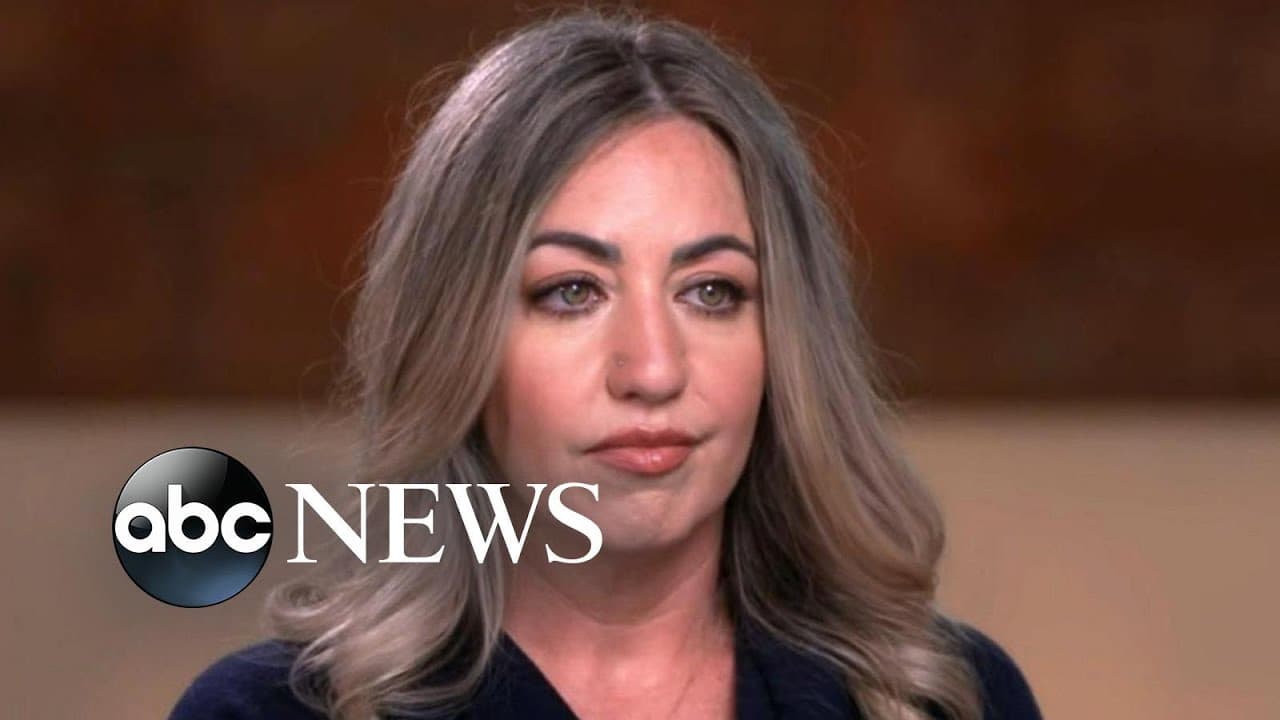
good morning good morning there's a sense of peace here a sense of home a sense that god's country is not just a southern expression but something much more every day is a gift every day that i get up to and free and my home is a gift here in her serene corner of rural tennessee radanovat lives her small slice of the simple life an almost unimagina... Read More
Key Insights
- Vaught was charged after a fatal medication error in 2017 at Vanderbilt Medical Center.
- The jury found guilt on the lesser charge of criminally negligent homicide and on the abuse of an impaired adult charge.
- Vaught was fired by Vanderbilt but later received a three year supervised probation.
- The case sparked a national debate about criminalizing medical errors and patient safety reporting.
- A federal investigation cited deficiencies and systemic issues at the hospital.
- Vaught attributed the error to being distracted during a day with trainee supervision.
- Support groups formed among nurses to address the emotional and professional impact of the case.
- The family of the patient expressed forgiveness and stated jail time was not an option.
- More videos from this channel:
- More from this channel: ABC News
Install to Summarize YouTube Videos and Get Transcripts
Explore YouTube Video Summarizer or Get YouTube Transcript Extractor
Questions & Answers
Q: What happened in the 2017 Vanderbilt case involving Redonda Vaught?
In 2017, Redonda Vaught, a former ICU nurse at Vanderbilt Medical Center, accidentally gave a paralytic drug instead of a sedative to a patient named Charlene Murphy, which caused severe brain damage and ultimately the patient’s death. This led to civil and criminal investigations, the revocation of her nursing license, and a jury verdict on charges related to negligent actions rather than intentional harm.
Q: What charges did Vaught face and what was the verdict?
Vaught faced charges including reckless homicide and abuse of an impaired adult, with prosecutors highlighting 18 egregious actions and inactions. The jury, however, found her guilty on the lesser charge of criminally negligent homicide and on the abuse charge, resulting in a conviction and a sentence of three years of supervised probation.
Q: What sentence did Vaught receive?
Vaught received three years of supervised probation after the conviction on the lesser charge of criminally negligent homicide and the abuse charge. This sentence was delivered after a lengthy legal process and amid widespread public debate about how errors in healthcare should be treated legally.
Q: What did nurses say about the impact of this case on the profession?
Nurses expressed concern that criminalizing honest reporting of mistakes could deter staff from speaking up about errors. They highlighted systemic pressures in healthcare and the risk that nurses may become afraid to report near misses or admit mistakes, which could undermine patient safety and safety culture in hospitals.
Q: What role did hospital systems and overrides play according to the case?
The case referenced the hospital’s override function used to obtain medications, described as a routine part of workflow. Prosecution framed this as a factor enabling the error, while the defense argued that it reflected systemic issues within pharmacy and hospital safeguards that contributed to the incident rather than a single act of negligence.
Q: What was the public response to the sentencing and verdict?
Public response included advocacy for clemency, a Change.org petition collecting over 200,000 signatures, and statements from professional associations criticizing criminalization of error reporting. The case became a flashpoint in debates over patient safety, accountability, and how the healthcare system should handle mistakes.
Q: What did the family of the patient say after the sentencing?
The family expressed forgiveness toward Vaught, with one member saying jail time was not an option for them. They recognized the tragedy and the impact on the family, while acknowledging the broader context of healthcare system challenges and the need for accountability and safety improvements.
Q: What broader themes does the Nightline interview address?
The interview addresses the tension between accountability for medical errors and the need to protect patient safety reporting, the emotional and professional toll on nurses, and the systemic factors within hospitals that can contribute to errors. It also discusses reform, policy implications, and how society views nurses and healthcare workers.
Summary & Key Takeaways
-
Redonda Vaught faced criminal charges after a fatal medication error in 2017 at Vanderbilt Medical Center, ultimately leading to a conviction for criminally negligent homicide and abuse of an impaired adult, and then a three year supervised probation. The proceedings highlighted tensions between accountability and the challenges of medical error reporting. The case prompted discussions about systemic hospital safeguards and how errors are treated legally.
-
The trial exposed hospital system deficiencies and the use of an override function to obtain medications, with the defense arguing that the incident resulted from a combination of human error and systemic flaws rather than intentional harm. Public response included a petition and professional backlash, fueling calls for policy changes in patient safety and reporting.
-
Nurses formed support groups and advocated for changes in how errors are addressed, arguing that criminalizing honest error reporting could deter frontline staff from speaking up. The Nightline interview presents RaDonda Vaught’s perspective, her sentencing, and the broader implications for healthcare workers and patient safety culture.
Read in Other Languages (beta)
Share This Summary 📚
Summarize YouTube Videos and Get Video Transcripts with 1-Click
Try YouTube Summary with ChatGPT & Claude or YouTube Transcript Generator
Explore More Summaries from ABC News 📚






Summarize YouTube Videos and Get Video Transcripts with 1-Click
Try YouTube Summary with ChatGPT & Claude or YouTube Transcript Generator