What Happened in the News on November 17, 2025?
TL;DR
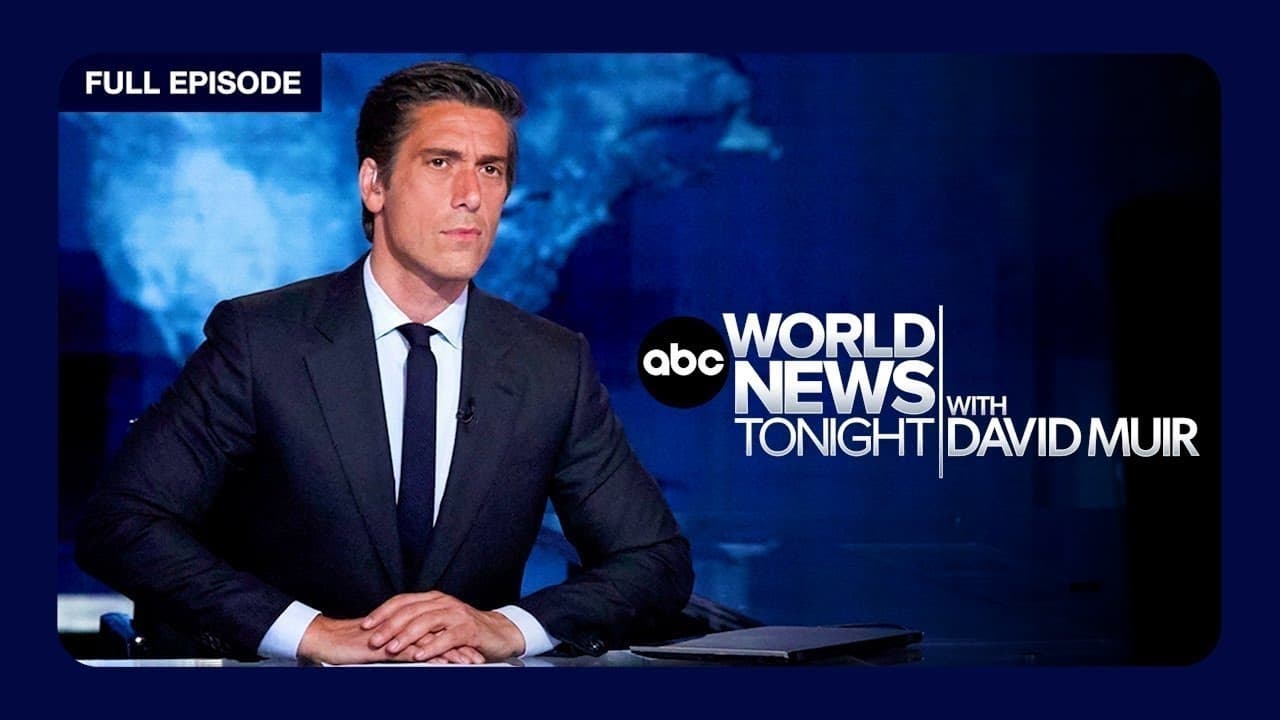
President Trump reversed his position on releasing the Jeffrey Epstein files, telling House Republicans to support disclosure and saying he would sign a bill passed by Congress. The broadcast also covers a growing U.S. military presence near Venezuela, deadly Southern California storms, an immigration crackdown in Charlotte, and several major crime and public safety stories.
Transcript
David Moore, ABC's World News Tonight, America's most watched newscast, now streaming same day with all the breaking news of the day on Disney Plus, most watched, most trusted, now on Disney Plus every night. >> Tonight breaking news as we come on the air here on the Jeffrey Epstein files, President Trump's sudden reversal, the House vote coming... Read More
Key Insights
- President Trump reversed his opposition to congressional action on the Epstein files after dozens of House Republicans appeared ready to support disclosure. He told Republican lawmakers to vote for the measure and said he would sign it if the House and Senate passed it.
- The House vote followed the release of thousands of documents obtained from Jeffrey Epstein’s estate. The disclosed material included multiple references to Donald Trump, while Epstein survivors released a public message urging lawmakers and the president to make the government’s remaining files available.
- The president can direct the Justice Department to release Epstein-related files without waiting for Congress. Despite telling lawmakers to support the pending bill, he had not issued such an order by the time of the broadcast, leaving congressional action as the immediate focus.
- The U.S. military presence in the Caribbean included at least 15,000 personnel and the USS Gerald Ford. President Trump declined to rule out American troops inside Venezuela, while joint exercises were taking place near Trinidad, about 15 miles from the Venezuelan coast.
- Venezuela responded to the American buildup with a major military call-up and a public appeal for peace. President Nicolás Maduro ordered about 200,000 troops to mobilize, denied U.S. accusations concerning the Cartel de los Soles, and said Venezuela remained open to dialogue.
- Southern California’s saturated ground increased the danger from another round of heavy rain. The forecast called for as much as two additional inches in some areas, with risks including flash floods, mudslides, hazardous driving, desert flooding, and further rain and mountain snow later in the week.
- Operation Charlotte’s Web resulted in at least 130 immigration arrests within 48 hours in Charlotte, North Carolina. Federal officials said those arrested had violated immigration laws, with some holding violent criminal records or removal orders, while state and city leaders criticized agents’ tactics.
- The broadcast connected national political developments with severe weather, immigration enforcement, crime, and public safety. Additional reports concerned a wounded New York Jets player, the O.J. Simpson estate, lifted FAA flight restrictions, a fatal wrong-house shooting, and a California home explosion.
Install to Summarize YouTube Videos and Get Transcripts
Explore YouTube Video Summarizer or Get YouTube Transcript Extractor
Questions & Answers
Q: Why did President Trump reverse his position on the Epstein files?
President Trump changed course as dozens of House Republicans appeared prepared to join Democrats in supporting a measure requiring release of the FBI’s Jeffrey Epstein files. Facing a likely defeat in the House, he told Republican lawmakers to vote for disclosure. He also said he would sign the measure if it passed both the House and Senate.
Q: What would the Epstein files bill require President Trump to do?
The measure discussed in the broadcast would demand the release of FBI files concerning convicted sex offender Jeffrey Epstein. Trump said he would sign it if both chambers of Congress approved it. The report also noted that he did not need to wait for legislation because he could direct the Justice Department to release the files immediately.
Q: What did the released Epstein estate documents say about Donald Trump?
The House Oversight Committee obtained thousands of documents from Epstein’s estate, including multiple references to Donald Trump. A reported 2017 email attributed to Epstein described Trump as dangerous and intensely criticized his character. A reported 2018 text attributed to Epstein claimed that he was able to bring Trump down, although its recipient was unidentified.
Q: Could the United States send troops into Venezuela?
President Trump did not rule out putting U.S. troops on the ground in Venezuela. At least 15,000 American forces were deployed in the Caribbean, and the USS Gerald Ford had arrived in the region. Trump also left open the possibility of discussions with Nicolás Maduro, but said potential military action was not removed from consideration.
Q: How did Venezuela respond to the U.S. military buildup?
President Nicolás Maduro ordered a military call-up involving about 200,000 troops while publicly calling for peace and saying Venezuela remained open to dialogue. His government denied the U.S. accusation that the Cartel de los Soles was run by Venezuela’s government and Maduro. The response came as American forces conducted joint exercises near Venezuela’s coast.
Q: What dangers did the Southern California storms create?
The storms produced heavy rain, mud, fallen trees, road hazards, flooding, and dangerous coastal conditions. Drivers encountered crashes, rescuers pulled people from vehicles and waterways, and saturated ground raised the risk of additional flash floods and mudslides. A seven-year-old girl and her father died after she was swept away and he tried to save her.
Q: What happened during Operation Charlotte’s Web in North Carolina?
Federal immigration agents arrested at least 130 people within 48 hours during Operation Charlotte’s Web in Charlotte. The Department of Homeland Security said everyone arrested had violated U.S. immigration laws, and that some had violent criminal records or removal orders. North Carolina’s governor and Charlotte leaders argued that the operation’s tactics were creating fear and division.
Q: What other major stories appeared in the November 17 broadcast?
Other reports included New York Jets player Kris Boyd recovering from a gunshot wound, the search for the shooter, and the O.J. Simpson estate agreeing to pay the Goldman family $58 million after a wrongful death claim. The broadcast also covered lifted FAA flight restrictions, a fatal wrong-house shooting, and a suspected gas-leak explosion that injured eight people.
Summary & Key Takeaways
-
President Trump changed course before a scheduled House vote on releasing FBI files concerning Jeffrey Epstein. After months of resistance and attempted pressure on Republican lawmakers, Trump told them to support the measure and said he would sign it if both chambers passed it. Epstein survivors continued demanding public disclosure.
-
The United States expanded its military presence in the Caribbean as the USS Gerald Ford arrived and at least 15,000 American personnel operated in the region. Trump declined to rule out troops or strikes involving Venezuela, while Nicolás Maduro ordered a call-up of about 200,000 troops and publicly appealed for peace.
-
Southern California faced another round of heavy rain after a deadly weekend marked by flooding, mudslides, dangerous roads, and water rescues. Federal immigration agents also arrested at least 130 people in Charlotte during Operation Charlotte’s Web, prompting criticism from local leaders and North Carolina’s governor over fear and community division.
Read in Other Languages (beta)
Share This Summary 📚
Summarize YouTube Videos and Get Video Transcripts with 1-Click
Try YouTube Summary with ChatGPT & Claude or YouTube Transcript Generator
Explore More Summaries from ABC News 📚



Summarize YouTube Videos and Get Video Transcripts with 1-Click
Try YouTube Summary with ChatGPT & Claude or YouTube Transcript Generator