How to analyze large student protests in France and their causes
TL;DR
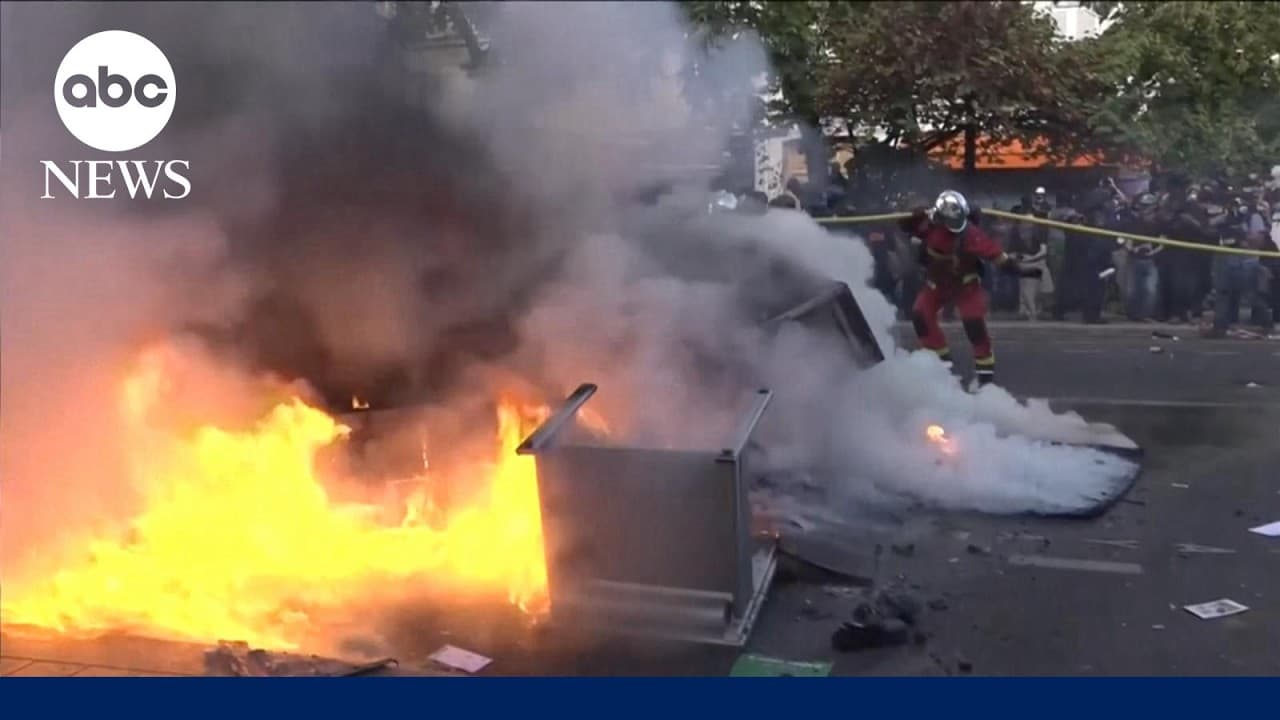
The protests in France were driven by students and supported by unions, spreading across dozens of cities with clashes and calls for more school resources. The background includes debt concerns and a push for better education funding, while the story also notes a separate investigation into abandoned mines and sinkholes affecting homes. The overall context contrasts peaceful demands with police responses in some scenes.
Transcript
It's Wednesday, October 7th. Even in Lay Miz Arab, there wasn't this much tear gas. We start here. >> Student protests overwhelm French cities. >> If you believe the government, it was 250,000 people. If you believe the French Union's 400,000. We're >> now seeing violence between demonstrators and police. We will take it to Paris. They sank their l... Read More
Key Insights
- The protests in France reached hundreds of thousands of participants across dozens of cities.
- The protests are led by teenagers with backing from unions and left wing parties.
- Police response included tear gas and stun grenades in some locations.
- The grievances focus on school resources, teacher shortages, class sizes, and materials.
- The protests began in deprived suburban areas before spreading to central Paris.
- There is debate about the causes, with officials and media noting social and economic factors.
- Comments from public figures outside France echoed the broad concerns but sparked debate about race and religion.
- An ABC investigation links unrelated but notable issues of abandoned mines and sinkholes to housing safety and property risk.
Install to Summarize YouTube Videos and Get Transcripts
Explore YouTube Video Summarizer or Get YouTube Transcript Extractor
Questions & Answers
Q: How did the protests in France originate and spread across the country?
The protests began in and around high schools in deprived suburban areas outside Paris and then spread to central Paris and other cities as students, backed by unions and left wing parties, voiced demands for more resources and better conditions in education. This spread was driven by shared concerns about funding, staffing, and the overall social state, turning into a national discussion about public services and youth opportunity.
Q: What are the main grievances cited by the protesters?
The protesters cite a lack of resources in schools, too many students per class, not enough teachers, and missing materials as core grievances. They argue these deficiencies hinder learning and reflect broader budget priorities, which they say fail students and communities, especially in deprived neighborhoods that saw the movement begin.
Q: How did authorities respond to the protests on the streets?
In some locations, police used tear gas and stun grenades to disperse crowds and restore order, while protesters sometimes engaged in clashes with police, including acts like setting bins on fire. The response varied by city and day, illustrating the tension between demonstrators and authorities during a highly charged period.
Q: What role did politics and elections play in the protest movement?
The protests are described as part of a broader political moment as France moves toward a presidential election, with unions and left wing parties backing the demonstrations. This creates a backdrop where social discontent and calls for policy change intersect with electoral politics and the strategy of various political actors.
Q: Did the coverage discuss race or religion as drivers of the protests?
The coverage notes that the protests are not about immigration or religious identity but involve people from diverse backgrounds. It emphasizes that both white and minority communities participated, and that the issue is framed as a nationwide concern about education and social policy rather than identity politics.
Q: What broader economic context is linked to the protests?
The narrative links the protests to concerns about debt and funding for public services in France, noting that fiscal pressures and political divisions complicate attempts to reform spending. This backdrop helps explain why education funding and social safety nets are focal points for demonstrators and commentators alike.
Q: What is the significance of the sinkhole and abandoned mine investigation in the coverage?
The coverage includes an ABC investigation into abandoned mines and sinkholes that threaten homes, illustrating another kind of national risk tied to industrial history and housing. While separate from the student protests, this investigation demonstrates how long standing structural and environmental issues can impact communities and public confidence in governance.
Q: What reactions or statements from international figures are mentioned?
The reporting mentions comments from international figures such as President Trump, who suggested the protests involve race and religion, a claim that the coverage rejects as not reflecting the underlying French context. The mention highlights how international voices can differ from on the ground realities and the local political discourse.
Summary & Key Takeaways
-
The video documents a broad student-led protest movement in France that expanded beyond initial demonstrations to hundreds of thousands of participants across multiple cities, with periods of violence between police and protesters. It highlights concerns about resource shortages in schools and the political climate ahead of an upcoming presidential election.
-
The report situates the protests within a wider social and economic debate in France, including government funding for public services and the burden of public debt, offering background on how fiscal issues interact with street-level demonstrations.
-
A second storyline examines an ABC investigation into abandoned mines and sinkholes affecting homes, illustrating how long standing industrial activity can create safety and financial risks for communities, separate from the student protests but used to illustrate broader national concerns.
Read in Other Languages (beta)
Share This Summary 📚
Summarize YouTube Videos and Get Video Transcripts with 1-Click
Try YouTube Summary with ChatGPT & Claude or YouTube Transcript Generator
Explore More Summaries from ABC News 📚




Summarize YouTube Videos and Get Video Transcripts with 1-Click
Try YouTube Summary with ChatGPT & Claude or YouTube Transcript Generator