How TV Shaped America’s Liberty and Big Moments
TL;DR
Television documented America’s rise from the Declaration of Independence to iconic moments in space, civil rights, and culture. The coverage shows how live TV shaped public memory, celebrated breakthroughs, and exposed painful events, while interviews and archives connect viewers to a shared national story.
Transcript
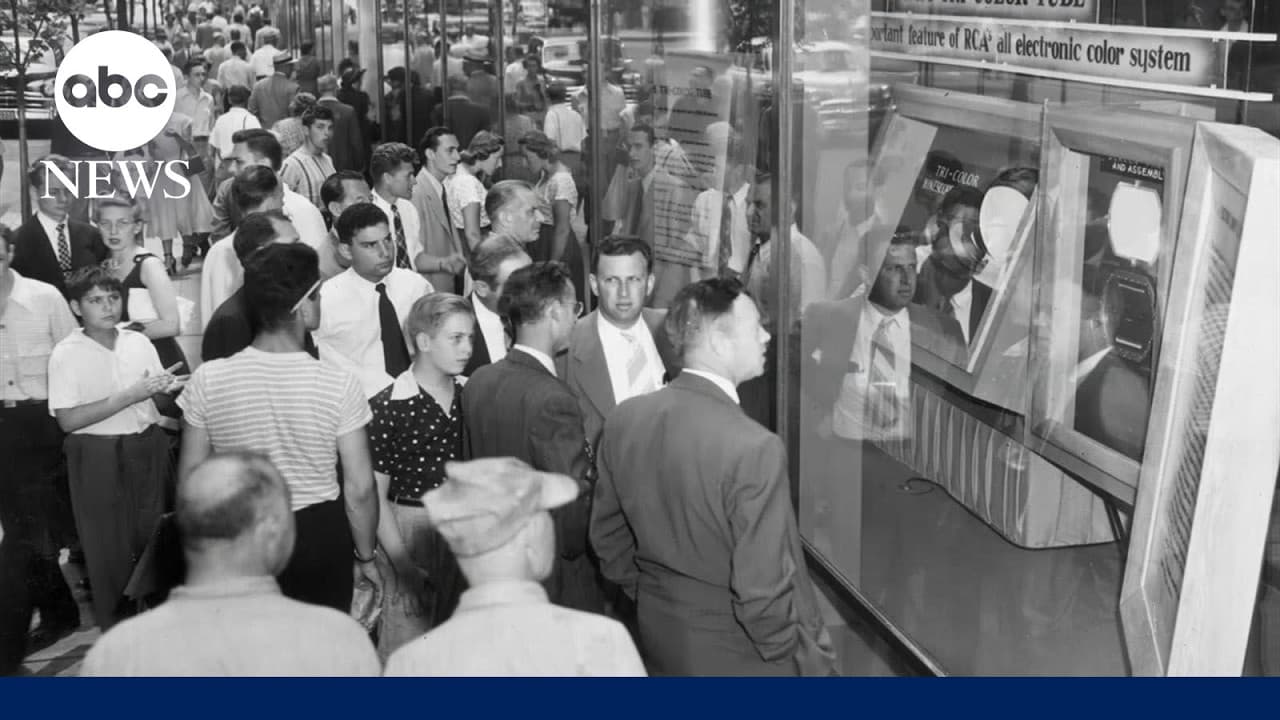
Thanks for joining us. Tonight we're coming to you from atop one of the most famous buildings in the world on this windy night. We are celebrating America's 250th birthday. >> Here at Nightline, we begin our special coverage in those magic moments when TV cameras started rolling decades ago. >> It was the dawn of a new era when families were sudden... Read More
Key Insights
- TV cameras chronicled history in living rooms, turning moments into shared memory.
- The Declaration of Independence guided coverage, connecting past ideals to present events.
- Apollo 11, IVF breakthroughs, and civil rights marches show TV’s role in defining progress.
- Television amplified national dialogue by presenting both triumphs and setbacks.
- Public events, disasters, and elections were narrated through a cinematic, live feed lens.
- Media coverage helped shape public perception of courage, innovation, and justice.
- Iconic interviews and broadcasts became cultural touchstones cross generations.
- The arc from early TV to modern screens reflects a continuous shaping of American identity.
- More videos from this channel:
- More from this channel: ABC News
Install to Summarize YouTube Videos and Get Transcripts
Explore YouTube Video Summarizer or Get YouTube Transcript Extractor
Questions & Answers
Q: How did early TV coverage influence American identity according to the video?
Early TV coverage anchored national identity by bringing distant events into living rooms, allowing families to witness history as it happened. This immediacy fostered a sense of shared experience, making the Declaration of Independence era and later milestones feel personally relevant to everyday viewers, reinforcing a collective memory of liberty and progress.
Q: What role did the Declaration of Independence play in the Nightline special?
The Declaration of Independence provided a guiding thread for the Nightline special, framing the selection of historical moments around the ideas of life, liberty, and the pursuit of happiness. The coverage uses those ideals to connect political origins with decades of televised events that shaped American life.
Q: Which events or themes show TV’s power to both uplift and confront tragedy?
The program highlights moments of triumph such as the Moon landing and the Olympics, alongside disasters and civil rights struggles. Television’s power to uplift comes from live, hopeful coverage, while it also confronts tragedy by broadcasting injuries, shootings, and losses, creating a public space for reflection and resolve.
Q: How is technology treated in the narrative of television’s history?
Technology is depicted as a driver of progress that expands what audiences can see and understand, from early breakthroughs to smartphones and space exploration. The coverage suggests that each leap in tech expands the viewer’s horizon, linking invention with broader social change and empowerment across communities.
Q: What examples illustrate TV’s role in civil rights history?
The program points to coverage of police brutality, the March on Washington, and the experiences of figures like Ruby Bridges and Jackie Robinson, showing how TV brought civil rights struggles into public conversation. These broadcasts helped shape attitudes and mobilize support for equality.
Q: How did interviews contribute to the narrative of American television’s impact?
Interviews with iconic figures like Billie Jean King and Monica Lewinsky provide firsthand perspectives on pivotal moments, personal motivations, and societal shifts. These conversations humanize large historical movements, linking personal courage and public action to the broader arc of American media history.
Q: What is the overarching message about television’s effect on culture?
The overarching message is that television has woven a tapestry of American life by broadcasting moments of invention, conflict, and change. It creates a shared cultural repertoire, where viewers across generations witness the pursuit of happiness, equality, and innovation as a communal, enduring narrative.
Q: Why does the Nightline piece emphasize ‘moments that captivated us all’?
The emphasis on moments that captivated everyone underscores TV’s role as a unifying medium. Live broadcasts of spaceflight, civil rights milestones, and cultural shifts created common reference points, helping a diverse nation align on shared experiences, values, and aspirations even as individual lives differed.
Summary & Key Takeaways
-
Television acted as a nationwide mirror, chronicling the evolution from independence to modern milestones while highlighting liberty and happiness as shared American ideals. The piece uses ABC News archives and interviews to illustrate how TV turned private moments into public memory.
-
The program emphasizes that images from space, civil rights, and technology during broadcasts created a collective sense of progress and resilience in the American story, even during dark times.
-
Through archival footage and first person recollections, the narrative ties historical events to the medium that carried them, showing how TV united a diverse nation around moments of triumph and tragedy.
Read in Other Languages (beta)
Share This Summary 📚
Summarize YouTube Videos and Get Video Transcripts with 1-Click
Try YouTube Summary with ChatGPT & Claude or YouTube Transcript Generator
Explore More Summaries from ABC News 📚






Summarize YouTube Videos and Get Video Transcripts with 1-Click
Try YouTube Summary with ChatGPT & Claude or YouTube Transcript Generator