What Are America’s Seven Natural Wonders?
TL;DR
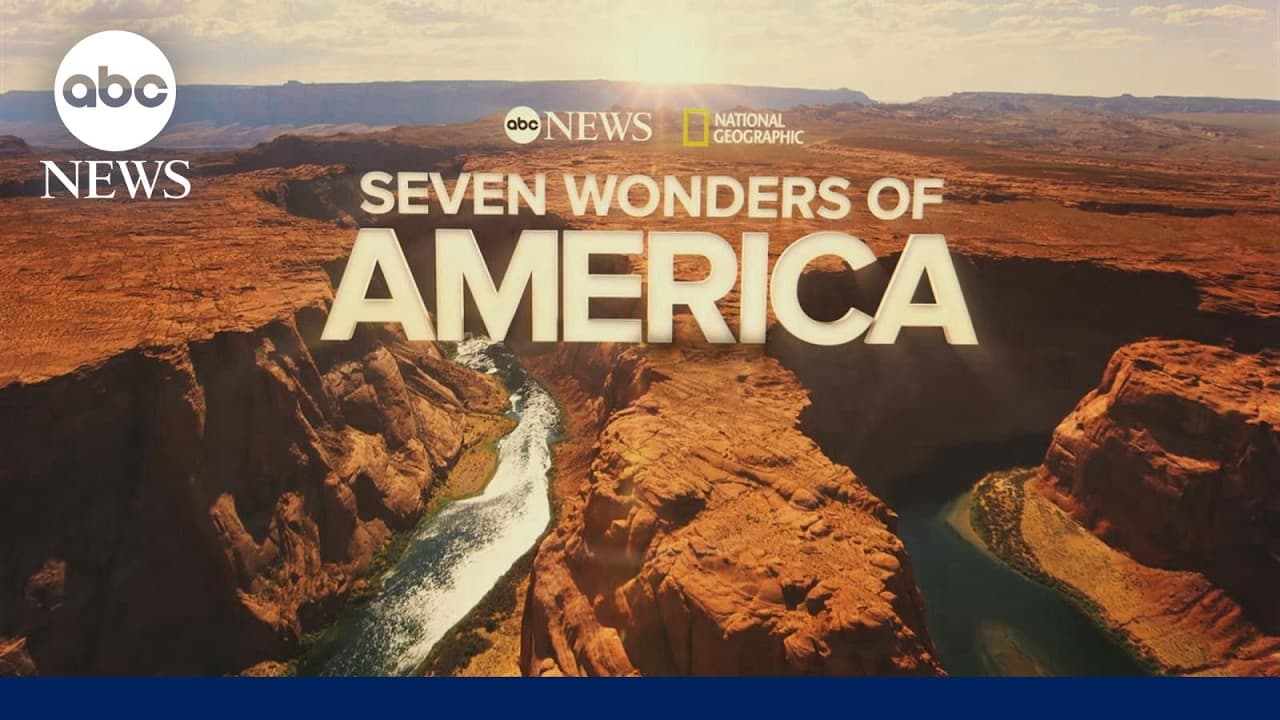
The seven natural wonders of America are showcased through a journey to iconic landscapes like the Grand Canyon and Niagara Falls, highlighting their vast scales, diverse ecosystems, and cultural significance. The program emphasizes conservation, the role of water and climate in shaping these places, and the responsibility of visitors to protect them for future generations.
Transcript
CELEBRATION OF AMERICA 250. AND WE CONTINUE RIGHT NOW >> THIS WILL BE WONDROUS RIGHT NOW. >> HERE IT IS. THIS TREE IS 1,500 1,500-YEARS-OLD. I MEAN, THAT'S INCREDIBLE. >> THIS PLACE IS GOING TO ASTONISH YOU IT'S SO BEAUTIFUL. >> SEE FIRSTHAND AS NEVER BEFORE. AMERICA'S MOST BEAUTIFUL NATURAL WONDERS. WOW. >> THIS IS BREATHTAKING. WHOA! ... Read More
Key Insights
- The Grand Canyon is described as a massive, 18 mile wide canyon carved by the Colorado River over millions of years, illustrating the scale and geological history of the region.
- The Grand Canyon hosts five ecosystems and supports a variety of wildlife, including California condors, indicating high biodiversity within a single landscape.
- Hiking and access to views such as Horseshoe Bend help visitors grasp the canyon’s depth and time, linking physical experience to geologic timelines.
- Colorado River water supports tens of millions of Americans, underscoring the critical role these natural features play in regional water supply.
- Glen Canyon Dam, standing 710 feet tall, created Lake Powell, which is currently at about 23 percent capacity, highlighting drought and water management challenges.
- The episode links human history to natural landscapes by citing indigenous ties and ancient rock markings, showing cultural layers alongside geology.
- Visitors are urged to balance exploration with conservation to prevent damage to fragile ecosystems and maintain the wonder for future generations.
- The narrative frames natural wonders as national heritage that requires thoughtful stewardship from both locals and visitors.
- More videos from this channel:
- More from this channel: ABC News
Install to Summarize YouTube Videos and Get Transcripts
Explore YouTube Video Summarizer or Get YouTube Transcript Extractor
Questions & Answers
Q: What defines the Grand Canyon as a natural wonder in the program?
The Grand Canyon is described as a massive, 18 miles wide and 277 miles long canyon carved by the Colorado River over six million years, with a depth of about 6,000 feet at the rim to the canyon floor. The landscape hosts five ecosystems, supports diverse wildlife, including the California condor, and contains billions of years of geologic history visible in its rock layers, which collectively establish its status as a natural wonder.
Q: How does the program illustrate the scale of the Grand Canyon to viewers?
The episode uses comparisons to taller structures and the river’s path through seven states to convey scale. It highlights features like the Colorado River carving through rock, the canyon’s depth that can be visualized by comparing it to stacks of Empire State Buildings, and the wide expanse from rim to rim to help audiences grasp the vastness and time embedded in the landscape.
Q: What role does water management play in the depicted wonders?
Water is central to the narrative as tens of millions rely on Colorado River water, and the program discusses Lake Powell’s drought-driven drop to 23 percent capacity. It emphasizes the need for sustainable water use, climate awareness, and balanced development to ensure these resources remain available for communities while preserving the natural wonders themselves.
Q: What cultural and historical elements accompany the natural landscapes in the video?
The video notes Indigenous presence and connections to the Grand Canyon, with mentions of the Ancestral Puebloans and Navajo lands. It also observes ancient rock markings, petroglyphs, and the cultural significance of these places, illustrating how geology and human history intertwine to enrich the meaning of America’s natural wonders.
Q: Why is conservation portrayed as essential when visiting these sites?
Conservation is presented as essential to preserve the ecological integrity and beauty of the landscapes, prevent overuse at crowded viewpoints like Horseshoe Bend, and maintain the natural balance that supports wildlife such as condors and other species. Visitors are encouraged to engage responsibly to keep the wonders accessible for future generations.
Q: What information about infrastructure near the wonders is provided?
The episode mentions Glen Canyon Dam, a 710-foot-tall concrete barrier, and Lake Powell formed by the dam, highlighting how infrastructure interacts with natural landscapes and water resources. It contrasts the dam’s role in water supply with drought challenges, illustrating the balance between human engineering and preservation of natural beauty.
Q: How does the program relate visitors’ experiences to the broader landscape?
By guiding viewers along rim views and down into canyons, the program connects personal awe with the larger geologic timescale and ecological context. It emphasizes that standing on the rim and observing wildlife, rock layers, and the river’s course provides a meaningful perspective on time, scale, and our place within the landscape.
Q: What is the overall message about America’s natural wonders?
The overarching message is that America’s natural wonders are awe inspiring, diverse, and deeply tied to the country’s history and identity. The program advocates for responsible exploration, awareness of water and climate issues, and a commitment to conserving these landscapes so they continue to inspire and educate future generations.
Summary & Key Takeaways
-
A wide tour across America’s natural wonders reveals vast landscapes, from canyon vistas to waterfalls, highlighting their scale, beauty, and ecological importance. The episode blends science with storytelling to illuminate how these places sustain biodiversity and inspire national pride.
-
Viewers learn about the human impact on these wonders, including drought and water management, and the need for sustainable visitation to preserve fragile ecosystems for generations to come.
-
Narration connects geology, climate, and history to explain why these sites are celebrated as national treasures and how indigenous connections deepen the meaning of the landscape.
Read in Other Languages (beta)
Share This Summary 📚
Summarize YouTube Videos and Get Video Transcripts with 1-Click
Try YouTube Summary with ChatGPT & Claude or YouTube Transcript Generator
Explore More Summaries from ABC News 📚






Summarize YouTube Videos and Get Video Transcripts with 1-Click
Try YouTube Summary with ChatGPT & Claude or YouTube Transcript Generator