How Can Amul Address India's Protein Deficit?
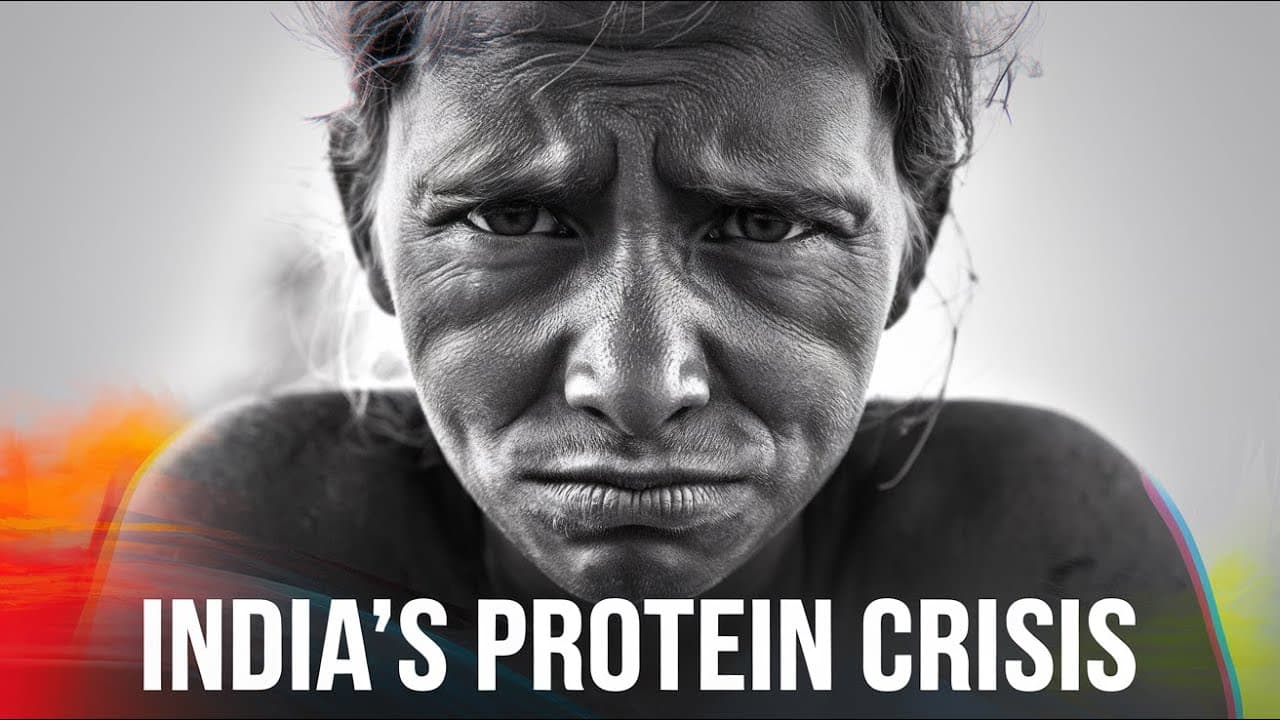
TL;DR
Amul could address India’s protein deficit by turning its vast milk supply into affordable, convenient protein products backed by a widely trusted brand. Its high-protein paneer, milkshakes, and related products target major market gaps: poor awareness of protein requirements, impractical food options for many consumers, high supplement prices, and limited choices for India’s large vegetarian population.
Transcript
the year is 1946 and under the scorching Heat Of The Sun thousands of farmers in Gujarat stood in absolute silence they were waiting for the British contractors to arrive and as soon as they saw the British vehicle arrive the farmers started pouring thousands of liters of milk on the roads and suddenly thousands of liters of milk thick and white gu... Read More
Key Insights
- India’s protein deficit is widespread, with 73% of urban Indians described as protein deficient and 93% reportedly unaware of their daily protein requirements. The transcript also states that more than 71% of people aged 30 to 55 have poor muscle health.
- Daily protein intake in India is often inadequate, because the average Indian diet supplies 50 grams or less even when it includes higher-protein foods such as dal and paneer. The stated healthy-body guideline is between 0.8 and 1 gram of protein per kilogram of body weight.
- Common protein foods can be impractical at the required volume. According to the transcript, obtaining 50 grams of protein may involve eating 100 grams of soy, 4.5 bowls of dal, or ten eggs, which can create concerns about bloating, indigestion, cholesterol, or simple meal fatigue.
- Chicken is presented as a practical protein source because it is both affordable and nutritious, but it cannot address the entire market. The transcript says 40% of India is vegetarian, making chicken and eggs irrelevant for a large segment seeking suitable protein alternatives.
- Protein affordability divides the Indian market sharply. The transcript argues that more than 90% of Indians cannot afford healthy, authentic protein powders, leaving the current protein market concentrated among the top 9% to 10% of the population, estimated there at about 12 million people.
- Protein powder can exceed a low-income family’s total budget. For the example family earning ₹14,000 monthly, supplying four people with 50 grams each per day at ₹3 per gram would cost around ₹18,000 monthly, while obtaining protein from eggs would cost approximately ₹6,000.
- Amul’s brand trust is a major competitive advantage, because consumers already know and value the company. The case argues that Amul does not need to compete solely as an unfamiliar supplement specialist, and that a good-tasting protein product launched under its established name could gain broad acceptance.
- Amul’s milk network provides direct access to the essential raw material for whey protein. The transcript identifies 177,000 village cooperative societies and about 17 million liters of milk handled daily, while explaining that cow’s milk contains approximately 80% casein and 20% whey proteins.
Install to Summarize YouTube Videos and Get Transcripts
Explore YouTube Video Summarizer or Get YouTube Transcript Extractor
Questions & Answers
Q: Why is India facing a protein deficit?
India’s protein deficit reflects three gaps identified in the transcript: limited awareness, impractical food choices, and poor affordability. It says 73% of urban Indians are protein deficient and 93% do not know their daily requirements. Average intake is 50 grams or less, while many common sources require large portions and commercial protein powders remain too expensive for most households.
Q: How much protein does a healthy person need each day?
The transcript gives a guideline of between 0.8 and 1 gram of protein per kilogram of body weight. Using its example, a person weighing 80 kilograms should consume at least 80 grams daily. It contrasts that target with an average Indian diet providing only 50 grams or less, even when the diet includes foods such as dal and paneer.
Q: Why are traditional protein sources impractical for many Indians?
Traditional sources can require portions that are difficult to consume consistently. The transcript says reaching 50 grams of protein may require 100 grams of soy, 4.5 bowls of dal, or ten eggs. It associates heavy soy or dal consumption with gas and bloating, while ten eggs may feel overwhelming and raise concerns about cholesterol or indigestion.
Q: Why does vegetarianism matter in India’s protein market?
Vegetarianism reduces the usefulness of foods presented as the most practical protein options. Chicken is described as both affordable and nutritious, but the transcript says 40% of India is vegetarian. For that large group, chicken and eggs are not relevant solutions, increasing the need for affordable vegetarian products such as protein-enriched paneer, milkshakes, or milk-derived whey protein.
Q: Why are protein powders unaffordable for most Indian households?
The transcript prices whey or plant protein powder at ₹3,000 to ₹5,000 per kilogram and uses a working protein cost of ₹3 per gram. For a four-person household earning ₹14,000 monthly, providing 50 grams per person each day would cost about ₹18,000 per month. That expense exceeds the household’s entire stated income before other necessities are considered.
Q: What market gaps could Amul’s protein products address?
Amul’s products could address the lack of awareness about protein needs, the inconvenience of consuming large amounts of dal, soy, or eggs, the limited choices available to vegetarians, and the high cost of established protein powders. Its stated portfolio includes high-protein paneer and milkshakes, which place additional protein into familiar foods rather than relying only on specialist supplements.
Q: What advantages does Amul have in the protein market?
Amul’s principal advantages are consumer trust and access to milk. The transcript describes it as the world’s largest farmer-owned cooperative and says 86% of every rupee spent on an Amul product goes back to the producer. It also cites 177,000 village cooperative societies and approximately 17 million liters of milk handled each day.
Q: How is whey protein connected to Amul’s milk business?
Whey protein comes from milk, which makes Amul’s existing dairy network directly relevant to protein production. The transcript states that cow’s milk naturally contains approximately 80% casein and 20% whey proteins. Because Amul handles around 17 million liters of milk daily through 177,000 village cooperative societies, it has extensive access to the underlying raw material.
Summary & Key Takeaways
-
India faces a substantial protein gap: the transcript says 73% of urban Indians are protein deficient, 93% do not know their daily requirements, and seven out of ten adults have poor protein intake. The average diet supplies 50 grams or less, even when foods such as dal and paneer are included.
-
Existing protein sources present practical or financial limitations. Reaching 50 grams may require 100 grams of soy, 4.5 bowls of dal, or ten eggs, while chicken does not serve the 40% of Indians described as vegetarian. Protein powders costing ₹3,000 to ₹5,000 per kilogram remain unaffordable for most households.
-
Amul combines consumer trust with exceptional access to milk through its farmer-owned cooperative system. The transcript cites 177,000 village cooperative societies and approximately 17 million liters handled daily. By launching high-protein paneer, milkshakes, and a broader protein portfolio, Amul aims to make protein more practical and accessible in India.
Read in Other Languages (beta)
Share This Summary 📚
Summarize YouTube Videos and Get Video Transcripts with 1-Click
Try YouTube Summary with ChatGPT & Claude or YouTube Transcript Generator
Explore More Summaries from Think School 📚






Summarize YouTube Videos and Get Video Transcripts with 1-Click
Try YouTube Summary with ChatGPT & Claude or YouTube Transcript Generator