How to read big books again in a distraction era
TL;DR
Reading long-form content is possible by rebuilding focus and controlling digital distractions. The key is treating attention as a finite resource, using deep work blocks, and choosing books more deliberately. Practice breaking reading into focused sessions and reducing interruptions to enjoy substantial texts again.
Transcript
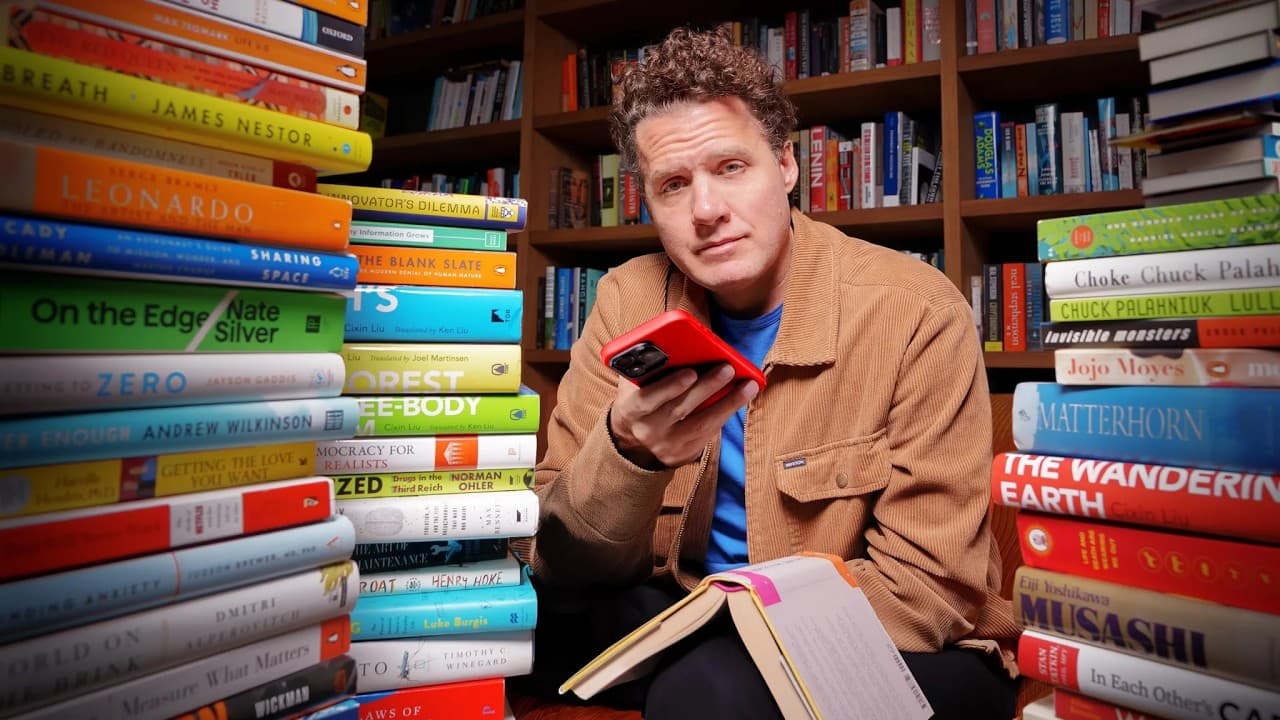
(banging sound) - Ah, you know, I used to be able to read big books, novels, biographies, weird philosophical stuff. It didn't matter. At one point, I read almost a hundred books in a single calendar year. I even made a video about it. But lately, particularly in the last year or so, I've noticed that I just kind of don't read books. Well, actually... Read More
Key Insights
- Reading long books is possible when we treat attention as a finite resource and protect it with structured focus blocks.
- Modern tech trains multi tracking behavior, but deep reading requires sinking into one idea for hours rather than scanning dozens of micro-stimuli.
- Attention is not a lack of willpower but a supply that gets drained by constant digital distractions and stress.
- The paradox of choice makes more options lead to dissatisfaction and avoidance, hindering commitment to a single book.
- Burnout and chronic stress degrade concentration and memory, making it harder to finish longer texts and retain what is read.
- Slow productivity encourages batching deep work, reducing task switching and mental overhead from constant notifications.
- Tools and techniques that optimize brain states, like music that syncs with brainwaves, can help sustain focus during reading sessions.
- Reducing friction to start reading, such as a calm environment or pre-commitment to a chapter, boosts adherence to lengthy books.
- More videos from this channel:
- More from this channel: Mark Manson
Install to Summarize YouTube Videos and Get Transcripts
Explore YouTube Video Summarizer or Get YouTube Transcript Extractor
Questions & Answers
Q: A real search query question about the video (e.g. 'How to...', 'What is...', 'Why does...', 'When should...'). Question 1
To read big books again you need to protect your attention as a finite resource by creating dedicated deep reading blocks and minimizing digital interruptions. Start with a calm, distraction free environment, set a specific reading goal for each session, and gradually extend the time you read. This approach helps you sustain one idea for longer periods and finish chapters more reliably.
Q: Question 2
The video argues that our brains are not evolving goldfish brains, but that modern environments flood us with dopamine rewarding quick hits. By restructuring your day to limit constant input and by practicing sustained reading, you train your brain back toward deep focus and longer attention spans, making it feasible to tackle dense, interesting books again.
Q: Question 3
Burnout and stress reduce concentration and memory, which makes reading longer texts harder. Address this by reducing unnecessary cognitive load, practicing slow productivity, and creating predictable reading routines. Lowering stress helps your brain recall details and stay engaged with complex material over longer periods.
Q: Question 4
The paradox of choice says more options can reduce satisfaction and lead to skimming or giving up on books. To counter this, select a small set of books you genuinely want to read, set a clear plan for finishing them, and resist the urge to skim multiple titles. This focused selection improves commitment.
Q: Question 5
Attention can be improved with micro-habits that reduce friction to start reading. For example, choose a single book, set a daily target, and create a conducive environment. By lowering the initial barrier and avoiding multi-tasking, you create a smoother path to deep engagement with the text.
Q: Question 6
Tech tools can support focus rather than just distract. The video promotes the idea of using science-backed music to prime attention and deep work states. When used properly, such tools help synchronize brain activity for sustained reading, making it easier to maintain immersion through a chapter or more.
Q: Question 7
Experimenting with pacing helps rebuild reading stamina. Try longer, uninterrupted blocks early in the day when attention is higher, then gradually extend the duration as your focus strengthens. Tracking progress with a simple log reinforces consistency and provides motivation to finish longer books.
Q: Question 8
The broader takeaway is to redesign daily habits around mindful, deliberate reading rather than relying on passive consumption. If you reduce the number of times you switch tasks and create structured sessions, you can recover the ability to read big books and enjoy the experience again.
Summary & Key Takeaways
-
Reading long books requires deep focus and deliberate pacing to counter modern distractions. The video argues attention is finite and easily fragmented by notifications and options, so readers should create structured reading blocks and minimize interruptions. It also notes burnout and a culture of quick dopamine hits as barriers to deep reading.
-
The discussion links the rise of short attention spans to streaming, social media, and job stress, while offering practical steps like slow productivity, mindful doom scrolling reduction, and using focus-enhancing tools to reclaim reading stamina over time.
-
Ultimately, the creator proposes practical tactics for rebuilding reading endurance, such as limiting options, utilizing focus techniques, and employing supportive tools like Brain.fm to recalibrate attention and make big books approachable again.
Read in Other Languages (beta)
Share This Summary 📚
Summarize YouTube Videos and Get Video Transcripts with 1-Click
Try YouTube Summary with ChatGPT & Claude or YouTube Transcript Generator
Explore More Summaries from Mark Manson 📚

Summarize YouTube Videos and Get Video Transcripts with 1-Click
Try YouTube Summary with ChatGPT & Claude or YouTube Transcript Generator