How to Overcome Feeling Stuck in Life
TL;DR
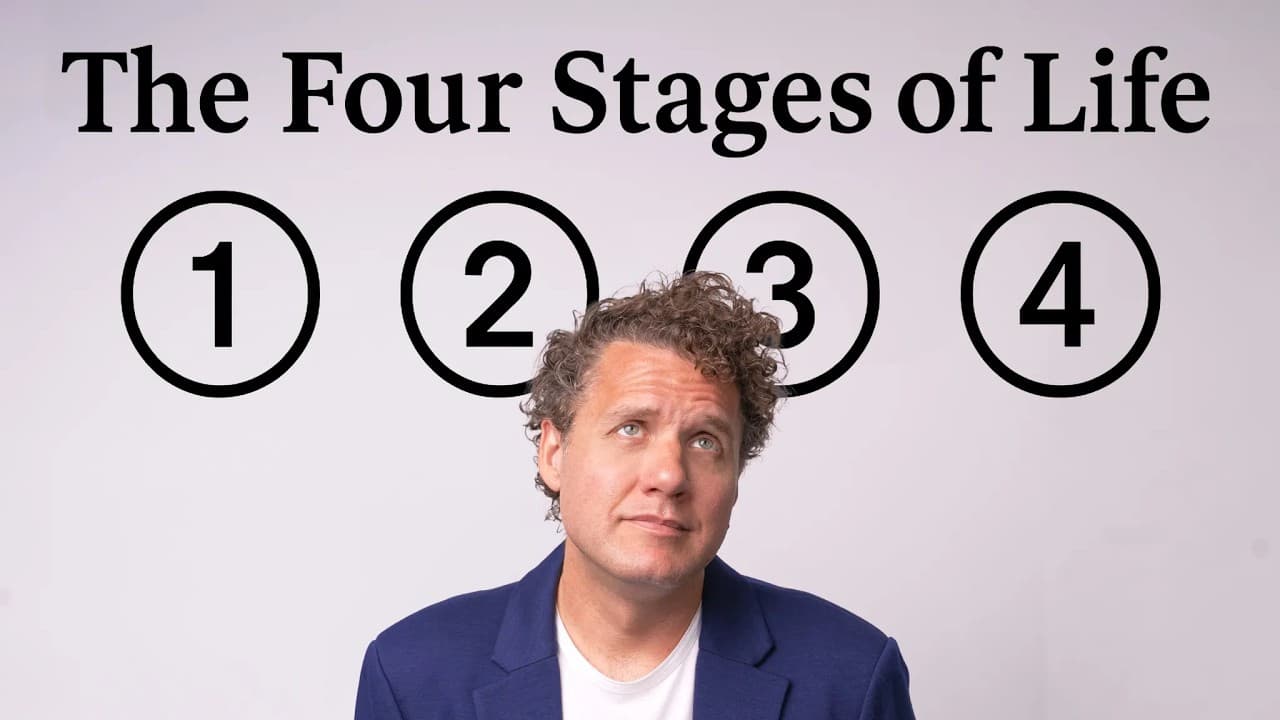
Feeling stuck in life often results from being in one of four life stages: Copycat, Explorer, Martyr, or Mortal. Each stage has its own challenges and requires self-awareness to transition to the next. Understanding these stages helps identify misaligned values and provides clarity on how to move forward with purpose.
Transcript
- For most of my 20s, I thought I was figuring my life out. I traveled to 50 countries, started multiple businesses, tried every drug under the sun, and dated every type of girl you could imagine. But I was wrong. I wasn't discovering myself. I was avoiding the fact that I didn't want to know myself, and even though I was always moving, mentally an... Read More
Key Insights
- Life consists of four stages: Copycat, Explorer, Martyr, and Mortal.
- The Copycat stage involves mimicking others, often leading to a lack of autonomy.
- The Explorer stage is characterized by self-discovery and testing personal limits.
- The Martyr stage focuses on committing to meaningful pursuits and relationships.
- The Mortal stage involves letting go and mentoring others, embracing one's mortality.
- Transitions between stages are often triggered by intense pain or loss.
- Each stage requires a reassessment of values and priorities to progress.
- Being stuck in a stage can lead to feeling burnt out, bitter, or bored.
Install to Summarize YouTube Videos and Get Transcripts
Explore YouTube Video Summarizer or Get YouTube Transcript Extractor
Questions & Answers
Q: What are the four stages of life described in the video?
The four stages of life described in the video are Copycat, Explorer, Martyr, and Mortal. The Copycat stage involves mimicking others, often leading to a lack of autonomy. The Explorer stage is characterized by self-discovery and testing personal limits. The Martyr stage focuses on committing to meaningful pursuits and relationships, while the Mortal stage involves letting go and mentoring others, embracing one's mortality.
Q: How can someone identify if they are stuck in a life stage?
Someone may identify being stuck in a life stage by recognizing feelings of dissatisfaction, burnout, or lack of progress. Misaligned values, repeating patterns, and a sense of being unfulfilled are common indicators. Self-reflection and assessing personal goals and values can help determine if one is stuck and needs to transition to the next stage for personal growth.
Q: What triggers transitions between life stages?
Transitions between life stages are often triggered by intense pain, loss, or significant life events that challenge current values and priorities. These experiences prompt individuals to reassess their goals and make necessary changes to move forward. Embracing these transitions requires self-awareness and a willingness to adapt and grow beyond current limitations.
Q: Why is the Explorer stage important for personal growth?
The Explorer stage is important for personal growth because it involves self-discovery and testing personal limits. During this stage, individuals experiment with different lifestyles, relationships, and experiences to understand their values and what truly matters to them. This exploration helps build a foundation for making informed decisions and pursuing meaningful goals, leading to a more fulfilled and purposeful life.
Q: How does the Martyr stage differ from the Explorer stage?
The Martyr stage differs from the Explorer stage in that it focuses on commitment to meaningful pursuits and relationships rather than exploration. While the Explorer stage involves experimentation and self-discovery, the Martyr stage emphasizes consolidating one's life around core values and dedicating time and energy to what truly matters. This stage involves letting go of distractions and doubling down on significant goals and commitments.
Q: What is the significance of the Mortal stage in life?
The significance of the Mortal stage in life lies in its emphasis on letting go and mentoring others. This stage involves accepting one's mortality and shifting focus from personal achievements to supporting and passing on knowledge to others. It is a time to reflect on one's legacy and ensure that the influence and impact made throughout life continue through the guidance and mentorship of the next generation.
Q: How can understanding life stages help someone who feels stuck?
Understanding life stages can help someone who feels stuck by providing a framework to identify where they are and what challenges they face. By recognizing the characteristics and limitations of each stage, individuals can assess their values, set new priorities, and make informed decisions to progress. This awareness facilitates personal growth, helping them move beyond stagnation and achieve a more fulfilling life.
Q: What role do values play in transitioning between life stages?
Values play a crucial role in transitioning between life stages as they guide decisions and priorities. Each stage involves a reassessment of values, determining what is most important and worth pursuing. Aligning actions with core values helps individuals navigate transitions, overcome challenges, and progress to the next stage. Embracing new values and letting go of outdated ones is essential for personal growth and fulfillment.
Summary & Key Takeaways
-
Life is divided into four stages: Copycat, Explorer, Martyr, and Mortal. Each stage has distinct characteristics and challenges that require self-awareness to navigate. The Copycat stage involves mimicking others, while the Explorer stage is about self-discovery. The Martyr stage focuses on commitment to meaningful pursuits, and the Mortal stage emphasizes letting go and mentoring.
-
Transitions between life stages are often triggered by significant pain or loss, prompting a reassessment of values. Moving forward requires understanding the limitations of each stage and embracing new priorities. Recognizing misaligned values can help individuals progress and avoid feeling stuck, burnt out, or dissatisfied with life.
-
The journey through life stages involves a reshuffling of values and priorities. To transition effectively, individuals must accept their limitations, focus on what truly matters, and be willing to let go of past ambitions. This process enables personal growth and fulfillment, ultimately leading to a more meaningful and purposeful life.
Read in Other Languages (beta)
Share This Summary 📚
Summarize YouTube Videos and Get Video Transcripts with 1-Click
Try YouTube Summary with ChatGPT & Claude or YouTube Transcript Generator
Explore More Summaries from Mark Manson 📚


Summarize YouTube Videos and Get Video Transcripts with 1-Click
Try YouTube Summary with ChatGPT & Claude or YouTube Transcript Generator