How to Stop Comparing Yourself to Others Effectively
TL;DR
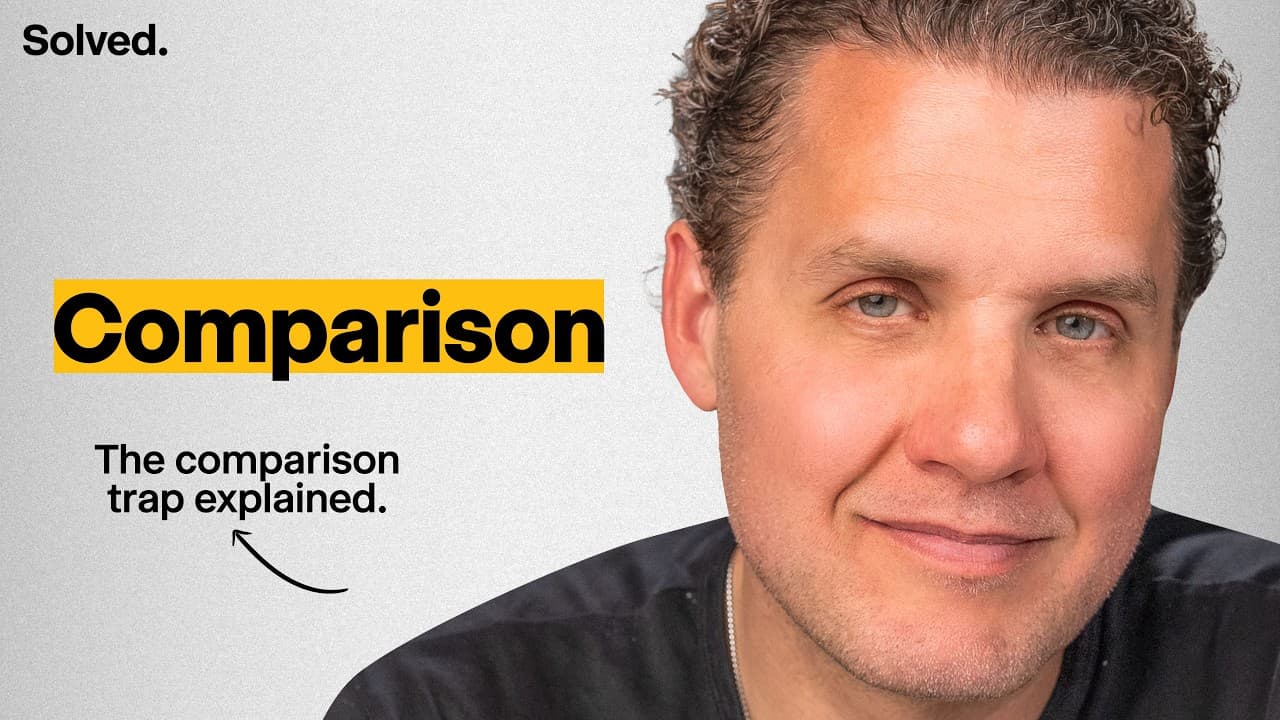
Comparison is a natural instinct rooted in social signaling, but you can reduce its harm by reframing how you measure progress and by choosing constructive comparisons. The episode provides practical methods to manage comparisons, understand their origins, and apply tools from philosophy and psychology to feel more grounded.
Transcript
You know, Drew, I think it's very appropriate we're doing this episode today. Why is that a little ironic, actually? So, I came into the office this morning. And for listeners who who don't know, um the the podcasting data situation is a disaster. Yeah. It's like you would actually think for for an industry that's exploding and growing so quickly u... Read More
Key Insights
- Social comparison is a built in instinct tied to evolutionary concerns about status and access to resources, which shapes our feelings and behaviors.
- The concept of social comparison theory, introduced in the discussion, describes how people evaluate themselves in relation to others, using upward and downward benchmarks that can both inspire and hinder.
- Upward comparison can be motivating when it signals a goal worth pursuing, but it can also provoke envy or inadequacy if the gap feels unbridgeable.
- Downward comparison can provide relief and boost self esteem, but it may also lead to complacency or a lack of desire to improve if relied on too exclusively.
- The emotional toolkit discussed includes recognizing that comparisons are a normal human tendency and choosing how to respond rather than denying the impulse.
- Philosophical perspectives such as Buddhism, Aristotle, Stoicism, and existentialism are proposed as lenses to reinterpret value and success, reducing the sting of comparisons.
- Digital technology amplifies social comparison by making others’ lives constantly visible, which increases the frequency and intensity of upward and downward benchmarks.
- The 80/20 approach is presented as a practical framework to manage comparison by focusing on the small set of actions that yield the most progress in reducing harmful comparisons.
- More videos from this channel:
- More from this channel: Mark Manson
Install to Summarize YouTube Videos and Get Transcripts
Explore YouTube Video Summarizer or Get YouTube Transcript Extractor
Questions & Answers
Q: What is social comparison theory and why does it matter in everyday life?
Social comparison theory describes the tendency to evaluate oneself in relation to others, using benchmarks both above and below our current standing. It matters because these comparisons influence motivation, self esteem, and emotional well being. Understanding the theory helps individuals choose healthier reference points, reduce unhelpful envy, and orient efforts toward meaningful personal growth.
Q: How can upward comparison be both helpful and harmful?
Upward comparison can be helpful when it highlights achievable goals and inspires learning from others’ successes. It becomes harmful when the gap seems insurmountable, leading to feelings of inadequacy or envy. The key is to frame upward comparisons as roadmaps rather than verdicts on self worth, and to extract actionable lessons.
Q: What role does downward comparison play in managing self esteem?
Downward comparison can provide relief and a temporary boost in self esteem by highlighting others’ struggles or worse outcomes. However, relying on downward comparisons alone may foster complacency or diminish motivation to improve. A balanced approach uses downward benchmarks to appreciate progress while continuing progress toward personal goals.
Q: Why is social comparison considered a universal human behavior?
Social comparison is universal because it evolved as a mechanism to navigate group dynamics, status, and resource sharing. In early human and primate groups, position within a hierarchy affected access to food and protection. This biological tendency persists today, shaping how people evaluate themselves against others across various domains.
Q: What are practical steps to reduce the negative impact of comparisons?
Practical steps include reframing comparisons as information rather than verdicts on self worth, focusing on personal progress rather than external standings, and applying cognitive strategies from philosophy to reinterpret what constitutes success. The episode also recommends an 80/20 approach to identify the most impactful changes.
Q: How can philosophy influence how we think about success and worth?
Philosophical frameworks like Buddhism, Aristotle, Stoicism, and existentialism offer alternative narratives about worth that do not hinge on social standings. They encourage focusing on virtue, meaning, and inner practice rather than external metrics, which can reduce the sting of comparisons and promote steadier well being.
Q: What challenges does digital technology create for social comparison?
Digital technology makes others’ lives highly visible and constantly accessible, increasing the frequency and intensity of upward and downward benchmarks. This can amplify insecurity and anxiety if not managed deliberately. The episode suggests awareness and structured strategies to keep digital exposure from destabilizing self worth.
Q: What is the 80/20 rule for managing comparison, and how is it applied?
The 80/20 rule directs attention to the small set of actions that yield the most impact on reducing harmful comparisons. By prioritizing a few high leverage practices—such as reframing, focusing on personal progress, and selective exposure to social content—listeners can achieve meaningful improvement with relatively little effort.
Summary & Key Takeaways
-
The episode explains that social comparison is a pervasive human behavior connected to evolutionary needs for status and resource access, and that awareness of this origin helps reduce personal guilt.
-
It outlines upward and downward comparisons, showing how each can motivate or demotivate, and why neither alone guarantees a healthy mindset without deliberate framing.
-
It provides a practical 80/20 approach to managing comparison, emphasizing focused actions and cognitive strategies rather than broad lifestyle changes.
Read in Other Languages (beta)
Share This Summary 📚
Summarize YouTube Videos and Get Video Transcripts with 1-Click
Try YouTube Summary with ChatGPT & Claude or YouTube Transcript Generator
Explore More Summaries from Mark Manson 📚



Summarize YouTube Videos and Get Video Transcripts with 1-Click
Try YouTube Summary with ChatGPT & Claude or YouTube Transcript Generator