How Does Johnny Harris Write YouTube Stories?
TL;DR
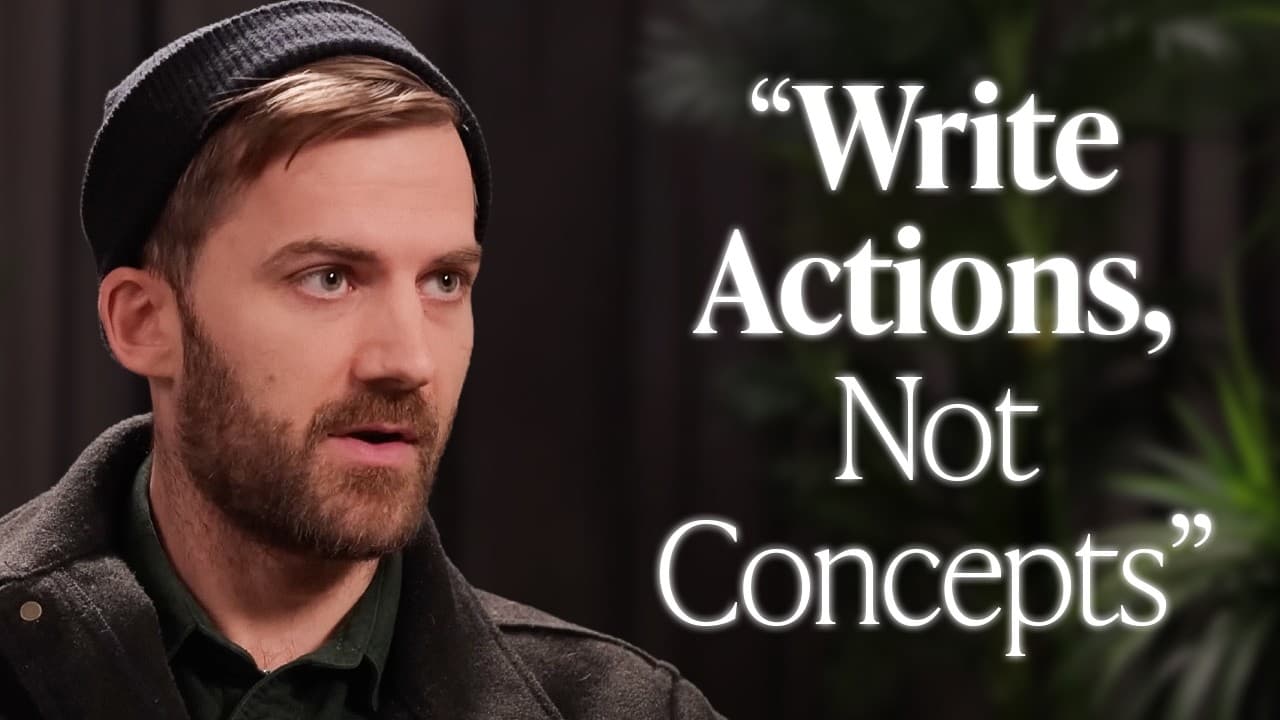
Johnny Harris develops each video through a roughly four-month process that moves from a reporting brief and weeks of research to an intensive writing block, fact-checking, filming, and several post-production cuts. He defines the clickable promise early, treats storytelling as the careful curation of complex information, and uses firm deadlines to sharpen decisions while preserving flexibility for stories that need more work.
Transcript
Johnny Harris is one of the best storytellers on YouTube the thing about him is he can make any story go viral let's talk about breakfast lottery tickets extra virgin olive oil and what I wanted to know in this episode is how does he think about making these videos that are both beautiful and popular like how do you do both of those things and we w... Read More
Key Insights
- The production process is roughly four months long for each video, beginning with an approved idea and reporting brief before moving through research, scripting, filming, post-production, packaging, and publication within a larger schedule planned months in advance.
- A reporting brief is a collection of questions about the chosen subject, designed to direct the researcher toward the facts, explanations, details, and visual evidence Harris needs before he can decide how the material should become a coherent story.
- The research phase lasts three to four weeks and produces an information document of approximately 60 to 80 pages, allowing Harris to absorb a concentrated body of reporting before curating it into an outline and commissioning additional interviews or research.
- The scripting phase is usually a three-to-four-day block of focused work in which Harris simultaneously writes the narration, plans visuals, and establishes art direction, showing that his scripts function as production blueprints rather than collections of spoken words alone.
- Constraints are a major source of creative discipline because short writing blocks force Harris and his team to focus, make decisions quickly, and avoid becoming overly precious, although the current production system allows deadlines to move when a difficult story genuinely needs more time.
- Field notes are spoken into a phone and transcribed because talking is faster and more natural for Harris than typing while traveling. These notes capture his changing interpretation as interviews complicate earlier assumptions and force him to reconsider what the story means.
- Preproduction can improve access and cinematography, but excessive planning can force real events into a predetermined structure. Harris therefore sometimes enters the field with access arranged but without deciding the argument or framing until he has encountered the people and conditions directly.
- The marketing promise is defined early even when the narrative remains open because a title and thumbnail must give viewers a clear reason to click. Harris treats this packaging as a simple billboard, while the story itself can retain complexity and uncertainty.
Install to Summarize YouTube Videos and Get Transcripts
Explore YouTube Video Summarizer or Get YouTube Transcript Extractor
Questions & Answers
Q: How does Johnny Harris make a YouTube video from start to finish?
Johnny Harris starts by reviewing accumulated ideas, approving a story, and preparing a reporting brief filled with questions. A researcher investigates for three to four weeks and creates a 60 to 80-page digest. Harris then outlines and scripts the story, plans its visual treatment, gathers assets, fact-checks claims, films the footage, and works with a post-production team through several increasingly polished cuts.
Q: How long does Johnny Harris spend producing each YouTube video?
The complete production process takes roughly four months per video, although Harris does not personally work on only one project throughout that entire period. Research, asset collection, fact-checking, filming, editing, thumbnail development, and sponsorship placement move through an organized production system, while his own calendar primarily presents the concentrated writing block assigned to each story.
Q: How does Johnny Harris research topics for his videos?
Research begins with a brief that identifies what Harris wants to understand and lists numerous questions about the subject. A researcher then spends three to four weeks becoming knowledgeable about it, locating useful visuals, and compiling a 60 to 80-page information digest. Harris studies that material, develops an outline, and may add expert interviews, reporting, or targeted research where the explanation remains incomplete.
Q: How does Johnny Harris write visually driven scripts?
Harris treats scripting as writing and visual direction at the same time. During three to four dedicated days, he becomes fully immersed in the story while specifying narration, visual assets, and art direction. The resulting document communicates more than spoken language because it gives the post-production team a blueprint for building the images, sound, pacing, and other elements required by the intended story.
Q: Why does Johnny Harris use strict writing deadlines?
Strict deadlines create urgency and force Harris to concentrate on the most important explanation instead of refining every possibility indefinitely. He says these constraints helped the team improve quickly and become prolific. The approach can also cause frustration when a story has not been solved by the second or third day, so the current system permits some projects to receive additional time.
Q: How does Johnny Harris take notes while reporting in the field?
Harris speaks his thoughts into his phone and uses transcription in a notes application instead of typing everything manually. The resulting notes can be chaotic because each human interview may change his interpretation of the subject. He uses them to wrestle with what he wants to say, especially when new testimony complicates the clean narrative he initially imagined.
Q: Should documentary filmmakers plan the story before field reporting?
Harris describes benefits and risks on both sides. Detailed preproduction can improve logistics, cinematography, and the likelihood of capturing specific shots or sound bites. However, it can also lead filmmakers to overengineer the result and force events into a predetermined scaffold. His more open approach arranges valuable access while postponing the final framing until field reporting reveals what the story actually contains.
Q: Why does Johnny Harris choose a title and thumbnail early?
Harris defines the marketing package early because viewers need a clear reason to click before they can experience the full story. He treats the title and thumbnail as a billboard that communicates one direct promise, even when the underlying narrative is complex or still unresolved. He may consider two or three packaging options while deciding whether a proposed subject can attract attention clearly.
Summary & Key Takeaways
-
Harris begins with accumulated story ideas, selects one for production, and writes a reporting brief filled with questions. A researcher then spends three to four weeks investigating the subject, finding visual material, and producing a 60 to 80-page research digest that Harris studies before outlining the narrative and requesting any additional reporting.
-
The script is developed during three to four concentrated days in which Harris writes, visually directs, and defines the intended art direction. After fact-checking, asset gathering, additional reporting, and filming, the post-production team advances from a basic radio assembly through rough cuts, fine cuts, audio lock, and picture lock, incorporating extensive detailed feedback.
-
Harris distinguishes knowledge gathering from storytelling, which he describes as curating chaotic information into a firm, linear presentation. He may enter the field without a predetermined narrative to avoid forcing reality into an existing scaffold, but he still defines the marketing promise early so viewers immediately understand why the subject deserves their attention.
Read in Other Languages (beta)
Share This Summary 📚
Summarize YouTube Videos and Get Video Transcripts with 1-Click
Try YouTube Summary with ChatGPT & Claude or YouTube Transcript Generator
Explore More Summaries from David Perell 📚
Summarize YouTube Videos and Get Video Transcripts with 1-Click
Try YouTube Summary with ChatGPT & Claude or YouTube Transcript Generator