Roelof Botha on Venture Decisions and AI Markets
TL;DR
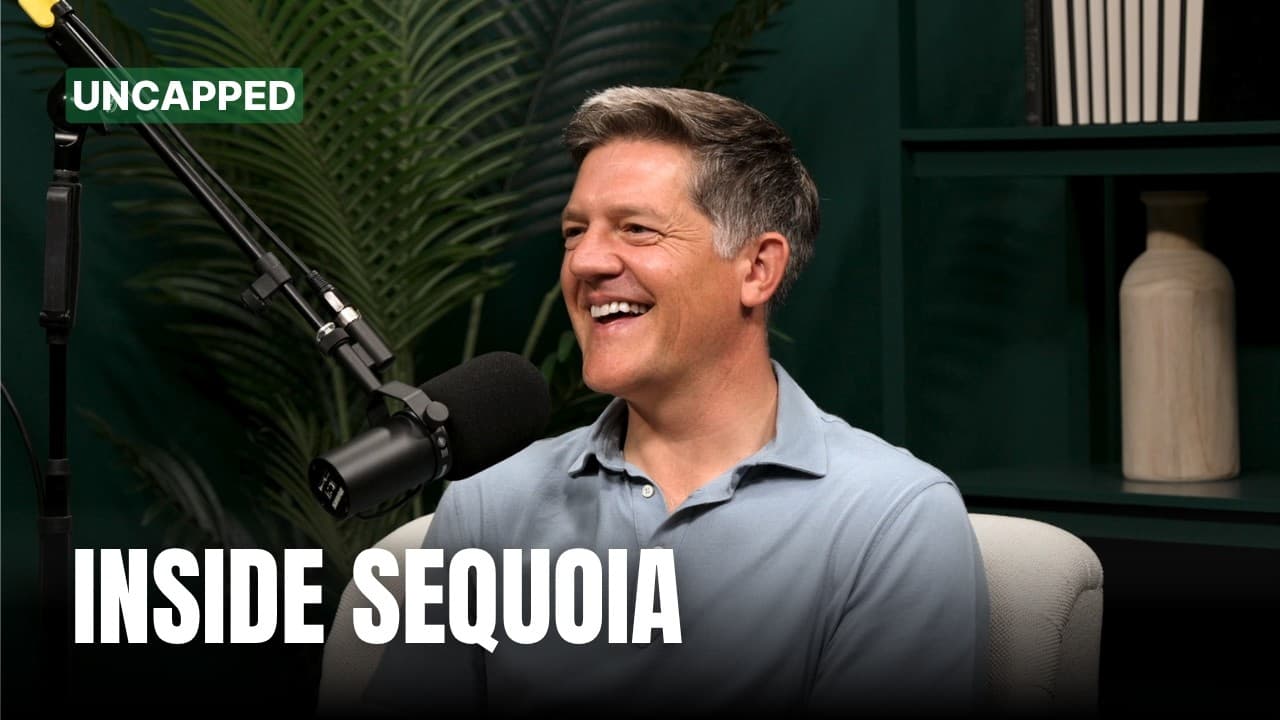
Enduring venture performance depends on treating past success as a platform, not a guarantee. Sequoia reinforces this discipline through generational stewardship, constant examination of missed investments, collaborative decision-making, and the reminder that the firm is only as good as its next investment, while deliberately celebrating the many contributors behind successful outcomes.
Transcript
When you're in my shoes as sort of part of the third generation to run the partnership, there's this enormous burden that Sequoia has been at the top of its game for a long time. Yeah. And we have these legendary companies that we've participated in. It was something like 30% of the total value of the NASDAQ is comprised of companies we were invest... Read More
Key Insights
- Sequoia's leadership model is based on stewardship across generations. Botha views his position as a temporary privilege accompanied by a duty to preserve the partnership for future leaders, rather than as personal ownership of an institution built before him.
- Leadership continuity at Sequoia is maintained through voluntary consultation with former stewards. Botha still seeks advice from Doug Leone and Jim Goetz because their experience is useful, while emphasizing that previous leaders do not retain an automatic right to direct current decisions.
- The Sequoia name reflects an ambition to build an enduring partnership. Founder Don Valentine avoided naming the firm after himself and chose a name associated with trees that can live for 2,000 years, signaling that both the partnership and its investments should endure.
- Sequoia's historical success creates pressure rather than security. Botha says companies backed by the firm while private comprise something like 30% of the NASDAQ's total value, creating a substantial expectation that the current generation must sustain exceptional performance.
- The firm's operating reminder is that it is only as good as its next investment. This statement appears across an office wall in each investor's handwriting, making resistance to complacency a repeated, personal part of the working environment.
- Healthy paranoia is reinforced through systematic analysis of missed opportunities. Sequoia examines competitors' investments, whether its team had access to each opportunity, why it failed to understand certain companies, and whether it recognized emerging categories quickly enough.
- Competitive motivation often makes losing more painful than winning is pleasurable. Botha accepts this asymmetry as common among highly driven people, while acknowledging that a culture built around demanding performance can be stressful even when it supports continued success.
- Celebrating successful investments is increasingly treated as a team practice. Sequoia's internal messages recognize not just board members, but also talent, communications, legal, sourcing, and diligence contributors whose work helped companies reach acquisitions or public offerings.
Install to Summarize YouTube Videos and Get Transcripts
Explore YouTube Video Summarizer or Get YouTube Transcript Extractor
Questions & Answers
Q: How does Sequoia manage leadership transitions?
Sequoia manages leadership transitions through a stewardship model built around continuity. Botha joined in 2003 with the understanding that senior colleagues would invest in his development and that he might eventually lead. He later became steward of the US business in 2017 and senior steward in 2022. Former leaders remain available for counsel, but they respect the authority of the current generation.
Q: What does stewardship mean in Sequoia's culture?
Stewardship means that leaders temporarily hold the privilege and responsibility of guiding Sequoia, with a duty to leave the partnership strong for the next generation. The institution is treated as larger and longer-lived than any individual partner. This perspective creates continuity, encourages mentorship, and makes preserving the firm's ability to help ambitious founders a central leadership obligation.
Q: Why was Sequoia named after a tree?
Don Valentine chose the Sequoia name because sequoia trees can live for 2,000 years. Botha says Valentine could plausibly have named the firm after himself, as many professional-services founders did, but instead selected a name expressing his desire to create a partnership that would outlive him and invest in companies capable of enduring over time.
Q: How does Sequoia prevent complacency after major successes?
Sequoia prevents complacency by making future performance more important than its historical record. A wall in the investors' coffee and snack area displays the statement that the firm is only as good as its next investment, written in each person's handwriting. The team also studies lost deals, competitor activity, misunderstood opportunities, and emerging categories it may have identified too slowly.
Q: Why does Roelof Botha describe Sequoia's culture as stressful?
Botha describes the culture as stressful because Sequoia combines a celebrated history with an expectation of continuing to perform at the highest level. The team cares deeply about losing investment opportunities and closely examines its mistakes. He also observes that highly driven, competitive people commonly experience the pain of losing more intensely than the pleasure of winning, making sustained ambition emotionally demanding.
Q: How does Sequoia evaluate missed investment opportunities?
Sequoia evaluates missed opportunities through detailed coverage analysis of investments made by competitors. Its partners ask whether they had a chance to participate, why they missed the opportunity, whether they misunderstood the company, and whether a new category was emerging before they recognized it. This process turns competitive losses into evidence that can inform future sourcing and judgment.
Q: How does Sequoia celebrate successful company outcomes?
Sequoia now celebrates successful outcomes by writing internal accounts that identify the broad group responsible for helping a company. Recognition can include the board member, the talent specialist who recruited an important executive, the communications team that shaped an offering narrative, the legal team that resolved governance issues, and the people who originally sourced or evaluated the investment.
Q: What leadership lesson does Botha draw from Sequoia's history?
Botha's central leadership lesson is that a strong platform must be used without assuming it guarantees continued success. Sequoia's brand can help win investments, open doors, and support founders, but established industry leaders can still become yesterday's winners if they stop innovating. He notes that most leading Silicon Valley venture firms from 1990 no longer exist, despite the industry's long institutional half-life.
Summary & Key Takeaways
-
Roelof Botha describes leading Sequoia as stewardship rather than ownership. The firm was designed to outlive its founder, and each generation is expected to preserve its strengths for the next. Former leaders remain valued advisers, creating continuity while allowing current partners to make decisions without being controlled by their predecessors.
-
Sequoia combines the advantages of an established brand with persistent insecurity about future performance. Its investors study competitors' deals, missed opportunities, misunderstood companies, and emerging categories. The handwritten office reminder that the firm is only as good as its next investment turns this expectation into a visible part of everyday culture.
-
The culture is demanding because competitive people often feel losses more strongly than victories. Sequoia has therefore become more deliberate about celebrating successful outcomes and recognizing contributions across the organization. Internal accounts credit board members, talent specialists, communications teams, legal teams, company discoverers, and diligence participants, reflecting the firm's team-oriented approach.
Read in Other Languages (beta)
Share This Summary 📚
Summarize YouTube Videos and Get Video Transcripts with 1-Click
Try YouTube Summary with ChatGPT & Claude or YouTube Transcript Generator
Explore More Summaries from Uncapped with Jack Altman 📚

Summarize YouTube Videos and Get Video Transcripts with 1-Click
Try YouTube Summary with ChatGPT & Claude or YouTube Transcript Generator