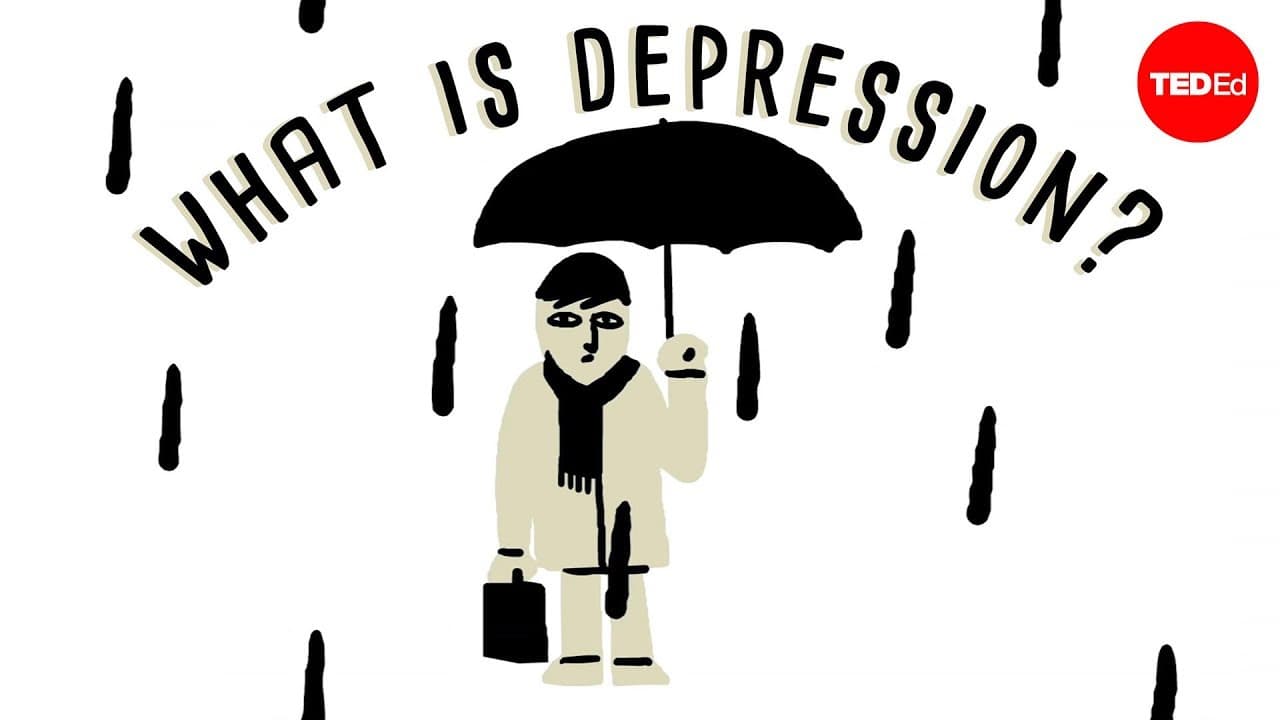
What is depression? - Helen M. Farrell
TL;DR
Depression is a persistent medical disorder lasting at least two weeks, characterized by symptoms such as low mood, loss of interest, and changes in appetite or sleep. Unlike temporary sadness, depression significantly impacts daily life and requires effective treatments like medication and therapy. Open discussions about depression can help reduce stigma and encourage individuals to seek help.
Transcript
Depression is the leading cause of disability in the world. In the United States, close to 10% of adults struggle with depression. But because it's a mental illness, it can be a lot harder to understand than, say, high cholesterol. One major source of confusion is the difference between having depression and just feeling depressed. Almost everyone... Read More
Key Insights
- 🧑⚕️ Depression is a prevalent mental health disorder, affecting a significant percentage of the population.
- 🍧 Differentiating between feeling depressed and having clinical depression is important to understand the severity and persistence of the condition.
- 🧠 Depression has both behavioral and physical manifestations in the brain.
- 🧑🏭 The causes of depression are complex, involving a combination of genetic and environmental factors.
- 🆘 Seeking help for depression can be challenging due to stigma, but various treatments, including medication, therapy, ECT, and TMS, can significantly improve symptoms.
- 🤗 Open conversations about depression help reduce stigma and encourage individuals to seek treatment.
- 👨🔬 Continued research and treatment-seeking will contribute to a better understanding and improvement of depression.
Install to Summarize YouTube Videos and Get Transcripts
Explore YouTube Video Summarizer or Get YouTube Transcript Extractor
Questions & Answers
Q: What are the key differences between feeling depressed and having clinical depression?
Feeling depressed can be a temporary response to certain triggers, while clinical depression is a persistent disorder that interferes with daily life for at least two consecutive weeks. Clinical depression has specific symptoms that go beyond temporary feelings of sadness.
Q: How is depression diagnosed?
According to psychiatric guidelines, if an individual experiences at least five symptoms of depression, they qualify for a diagnosis. These symptoms can include a low mood, loss of interest, changes in appetite, sleep disturbances, feelings of worthlessness, poor concentration, restlessness or slowness, lack of energy, or recurrent thoughts of suicide.
Q: What are some physical manifestations of depression in the brain?
Depression can cause changes in the brain, including smaller frontal lobes and hippocampal volumes. It also affects neurotransmitter levels, disruptions in circadian rhythms and sleep cycles, and hormone abnormalities such as high cortisol levels and thyroid deregulation.
Q: What are the effective treatments for depression?
Effective treatments for depression include a combination of medications and therapy. In more severe cases, electroconvulsive therapy (ECT) and transcranial magnetic stimulation (TMS) can also be helpful in improving symptoms.
Summary
Depression is a medical disorder that is different from feeling temporarily sad. It has a range of symptoms and physical manifestations in the brain. The causes of depression are not fully understood, but it likely involves a complex interaction between genes and the environment. It takes an average of over ten years for someone with a mental illness to seek help. However, there are effective treatments available, including medication, therapy, electroconvulsive therapy, and transcranial magnetic stimulation. Encouraging open conversations about depression can help reduce stigma and make it easier for people to seek help.
Questions & Answers
Q: What is the difference between having depression and feeling depressed?
Feeling depressed is a temporary state of sadness that everyone experiences from time to time, often triggered by specific events. On the other hand, clinical depression is a medical disorder that persists for at least two consecutive weeks, significantly interfering with one's ability to function in various aspects of life.
Q: What are some symptoms of depression?
Depression can manifest through a range of symptoms, including a persistent low mood, loss of interest in activities, changes in appetite, feelings of worthlessness or excessive guilt, disruptions in sleep patterns (either too much or too little), difficulty concentrating, restlessness or slowness, low energy levels, and recurrent thoughts of suicide.
Q: What physical manifestations of depression can be observed in the brain?
The brain changes associated with depression can be seen on different levels. Macroscopically, there are structural changes visible to the naked eye and on imaging studies, such as smaller frontal lobes and hippocampal volumes. On a microscopic level, depression is associated with abnormalities in neurotransmitter transmission, particularly serotonin, norepinephrine, and dopamine. It also affects circadian rhythms, sleep cycles, and hormone regulation.
Q: What are the potential causes of depression?
The causes of depression are not fully understood but likely involve a combination of genetic and environmental factors. There is a complex interaction between an individual's genetic predisposition and their life experiences that can contribute to the development of depression. However, there is no diagnostic tool available yet that can accurately predict the occurrence of depression.
Q: How long does it take for someone with a mental illness to seek help?
The average person suffering from a mental illness takes over ten years to seek help. This delay is often due to stigma, lack of awareness, and misinterpretation of symptoms. Encouraging individuals to seek help and providing support in finding appropriate resources can help reduce this delay.
Q: What are some effective treatments for depression?
Treatment for depression typically involves a combination of medication and therapy. Medications help boost brain chemicals, while therapy helps individuals develop coping strategies and address underlying issues. In extreme cases, electroconvulsive therapy (ECT), which induces a controlled seizure in the brain, can be beneficial. Emerging treatments like transcranial magnetic stimulation (TMS) are also being investigated.
Q: How can one support someone struggling with depression?
Encouraging someone struggling with depression to seek professional help is crucial. Offering specific assistance, such as researching therapists or helping them compile questions for a doctor, can make the process less overwhelming. It is important to remind them that depression is a medical condition and not a weakness or personal failing. Engaging in open conversations about mental illness can help reduce stigma and make it easier for individuals to ask for help.
Q: Why is it not helpful to compare depression to normal feelings of sadness?
Comparing depression to temporary feelings of sadness can make individuals with depression feel guilty or ashamed. Depression is a medical condition that extends beyond normal experiences of sadness and requires professional treatment. Validating their experiences and recognizing depression as a distinct illness can help reduce feelings of shame.
Q: How can talking openly about depression help?
Open conversations about depression and mental illness contribute to reducing the stigma surrounding these conditions. Research indicates that asking someone about suicidal thoughts can actually reduce their suicide risk. By discussing depression openly, individuals are more likely to seek help, which, in turn, contributes to important scientific advancements and improvements in treatment options.
Q: What can be expected from the future of depression treatment?
As more individuals seek treatment for depression, scientists will continue to learn and gain a better understanding of the disorder. This increased knowledge will likely lead to more effective treatments and interventions. Ongoing research and advancements in therapies such as transcranial magnetic stimulation show promise for the future of depression treatment.
Takeaways
Depression is a complex medical disorder that differs from temporary feelings of sadness. It takes an average of over ten years for individuals to seek help for a mental illness, highlighting the importance of early intervention and support. Effective treatments for depression include medication, therapy, electroconvulsive therapy, and emerging solutions like transcranial magnetic stimulation. Encouraging open conversations about depression and mental illness helps reduce stigma and makes it easier for individuals to seek help. By seeking treatment, individuals can contribute to scientific advancements that will improve our understanding and treatment options for depression.
Summary & Key Takeaways
-
Depression is the leading cause of disability worldwide, affecting close to 10% of adults in the United States.
-
It is important to differentiate between feeling depressed temporarily and having clinical depression, which is a persistent medical disorder.
-
Symptoms of depression include a low mood, loss of interest, changes in appetite and sleep patterns, feelings of worthlessness, and recurrent thoughts of suicide.
Read in Other Languages (beta)
Share This Summary 📚
Summarize YouTube Videos and Get Video Transcripts with 1-Click
Try YouTube Summary with ChatGPT & Claude or YouTube Transcript Generator
Explore More Summaries from TED-Ed 📚




Summarize YouTube Videos and Get Video Transcripts with 1-Click
Try YouTube Summary with ChatGPT & Claude or YouTube Transcript Generator