How to DJ: Beatmatch, Build Drops, Read Crowds
TL;DR
Great DJing depends on contrast, clean transitions, and constant attention to the crowd. Build drops by withholding bass and kick elements, beatmatch tracks to preserve a steady rhythm, and check key compatibility for smoother mixes. Prepare a strong set framework for major festivals, but keep alternative playlists ready so you can respond to what listeners actually enjoy.
Transcript
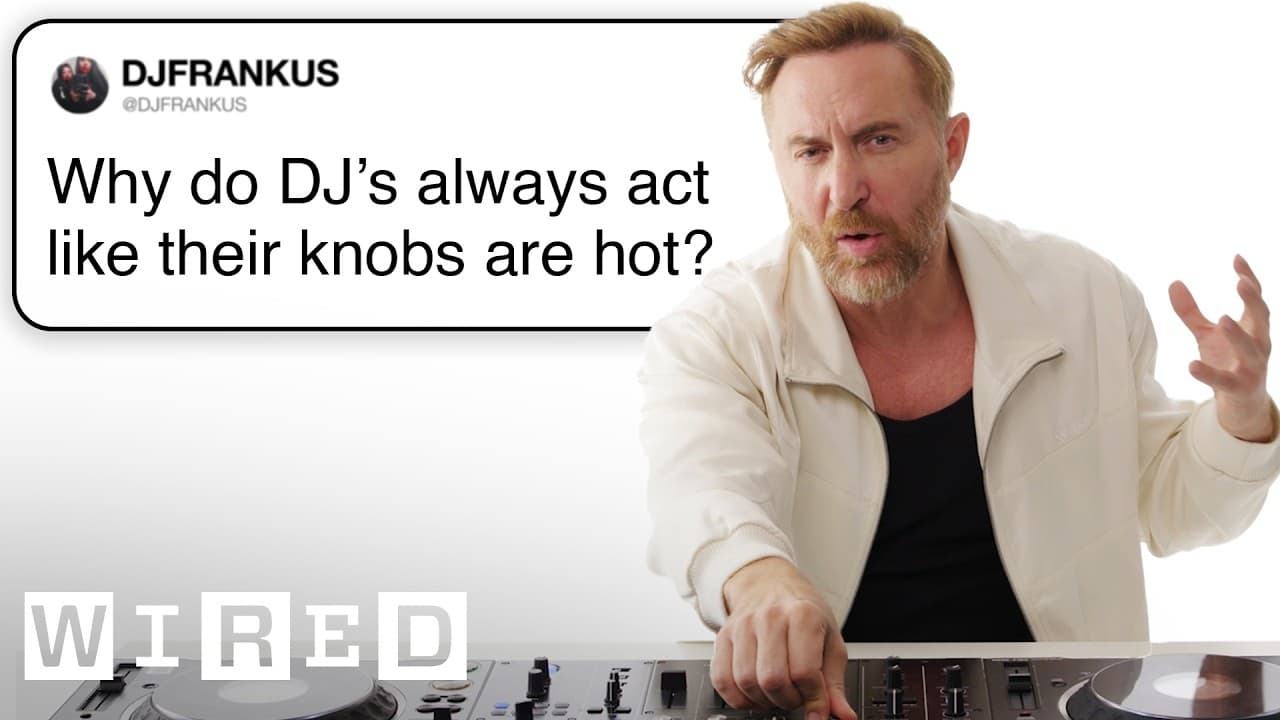
- Hi guys, I'm David Guetta and I'm gonna answer a few questions from the internet. This is "DJ Support." [upbeat percussion music] From Koorutheguru, what is the theory behind drops? Music is all about contrast. If you want something to sound loud, it needs to be quiet before. If you want something to sound very wide and stereo, it needs to be mon... Read More
Key Insights
- Drops are created through contrast between tension and release. Removing kick, bass, low frequencies, volume, or stereo width signals an approaching change and makes listeners miss the driving elements, so their return feels dramatically more energetic.
- Crowd reading is the essential art of DJing because modern technology makes technical beatmatching comparatively easy. A DJ must watch listeners, test different styles, identify what receives a positive reaction, and then adjust the musical direction accordingly.
- Festival sets are usually more prepared than club sets because major DJs may have only one hour or 90 minutes to maintain a consistently strong performance. Guetta creates a set skeleton but keeps additional playlists available for live adjustments.
- Prerecorded sets are unnecessary because DJs need the freedom to react when a musical style fails or succeeds. Guetta says he has never played a prerecorded set and considers live adaptability central to winning over a crowd.
- Mixer knob movements can be partly creative and partly theatrical. Guetta generally keeps the EQ straight when strong engineers have properly configured the venue, although EQ remains useful for transitions and other intentional mixing decisions.
- Festival performances require recognizable artist material and greater energy because audiences buy tickets expecting a specific sound. Club performances offer more room for long journeys, experimentation, underground selections, and close interaction with a smaller crowd.
- Beatmatching works by aligning two records so their beats remain steady during a transition. Reducing one track's bass prevents excessive low-frequency overlap, while correcting poor alignment keeps dancers from becoming confused about which rhythm to follow.
- Harmonic mixing improves a transition by combining musically compatible keys. Guetta demonstrates that C minor and F-sharp minor sound unpleasant together, while changing the second selection to G creates a more pleasing relationship because C and G form a fifth.
Install to Summarize YouTube Videos and Get Transcripts
Explore YouTube Video Summarizer or Get YouTube Transcript Extractor
Questions & Answers
Q: How do DJs create an energetic drop?
DJs create an energetic drop by using contrast. Before the drop, they may remove the kick, bass, low frequencies, or wide stereo elements, producing tension and making the audience anticipate the missing energy. When those driving elements return, the sudden difference feels powerful. Even a simple beat can generate a strong reaction when a filter first removes its low end and then restores it.
Q: Do professional DJs prepare their sets before festivals?
Professional DJs often prepare festival sets carefully because their limited performance time must remain consistently strong. David Guetta says he may work every day for a full month on a set for a festival such as Ultra. He builds a structured skeleton, then modifies it live by drawing from additional playlists when the audience responds more strongly to underground tracks, hits, or sing-along music.
Q: How does a DJ read a crowd that is not responding?
A DJ reads an unresponsive crowd by testing different musical directions until something produces a clear reaction. If tech house works better than techno, the DJ can select more tracks from a strong tech house playlist. Once the crowd is happy and engaged, the DJ has more freedom to guide listeners elsewhere. This process requires watching people closely and retaining the ability to change the planned set.
Q: What is the difference between playing clubs and festivals?
Club performances can involve longer sets, closer crowd reading, and more experimentation with records from different artists. Guetta began as a resident playing eight hours a day, six days a week. Festival appearances may last 90 minutes and attract people who expect the artist's recognizable sound. Larger crowds also require more energy, while clubs remain an important setting for underground music and extended musical journeys.
Q: How should beginners learn to beatmatch two tracks?
Beginners should first align two records so their beats remain steady throughout the transition. Before bringing in the second track, lower its bass because overlapping low frequencies can sound unpleasant. Listen for rhythmic misalignment, adjust the incoming record until both beats match, and then move fully into the new track. The goal is to preserve a clear, consistent pulse so the audience can continue dancing without confusion.
Q: Why should DJs mix tracks in compatible musical keys?
Compatible keys make transitions sound more pleasant after the basic beats have been aligned. Guetta demonstrates that a record in C minor does not blend comfortably with one in F-sharp minor. Changing the second selection to G creates a better relationship because C and G form a fifth and work well together. A DJ who combines accurate beatmatching with compatible keys demonstrates a more advanced level of musical control.
Q: What do DJs hear through their headphones during a set?
DJs use headphones to preview the next record while the current record plays through the venue's sound system. They check whether the incoming track starts at the correct moment, whether its beat is properly aligned, and whether it feels appropriate after the current selection. One ear can monitor the next record through the headphones while the other listens to the venue monitor, providing an insurance policy against mistakes.
Q: What mistakes should new DJs avoid when developing a style?
New DJs should avoid prioritizing image and uniqueness so heavily that they ignore the people in front of them. A distinct identity can come from original music or a recognizable selection style, but the DJ is still being paid to entertain the audience. Guetta criticizes performers who focus on how social media viewers may perceive them while failing to look at the crowd, because observation is necessary for reading reactions.
Summary & Key Takeaways
-
Drops create excitement through contrast. Removing the kick, bass, low frequencies, or stereo width creates tension and makes listeners miss the song's driving elements. Restoring those elements produces a sudden increase in perceived energy, even when the underlying beat and musical idea remain relatively simple.
-
Professional DJ sets balance preparation with flexibility. Guetta may spend a full month refining a major festival set, creating a reliable skeleton that stays consistently strong. During the performance, he watches reactions and adds tracks from specialized playlists, such as underground music or familiar sing-along hits, according to the crowd's preferences.
-
Beatmatching keeps the rhythm steady while one record transitions into another. A DJ can reduce the incoming track's bass to prevent overlapping low frequencies, align its beat, and then complete the transition. More advanced mixing also considers musical key, while headphones help verify timing, compatibility, and track selection before the audience hears the change.
Read in Other Languages (beta)
Share This Summary 📚
Summarize YouTube Videos and Get Video Transcripts with 1-Click
Try YouTube Summary with ChatGPT & Claude or YouTube Transcript Generator
Explore More Summaries from WIRED 📚
Summarize YouTube Videos and Get Video Transcripts with 1-Click
Try YouTube Summary with ChatGPT & Claude or YouTube Transcript Generator