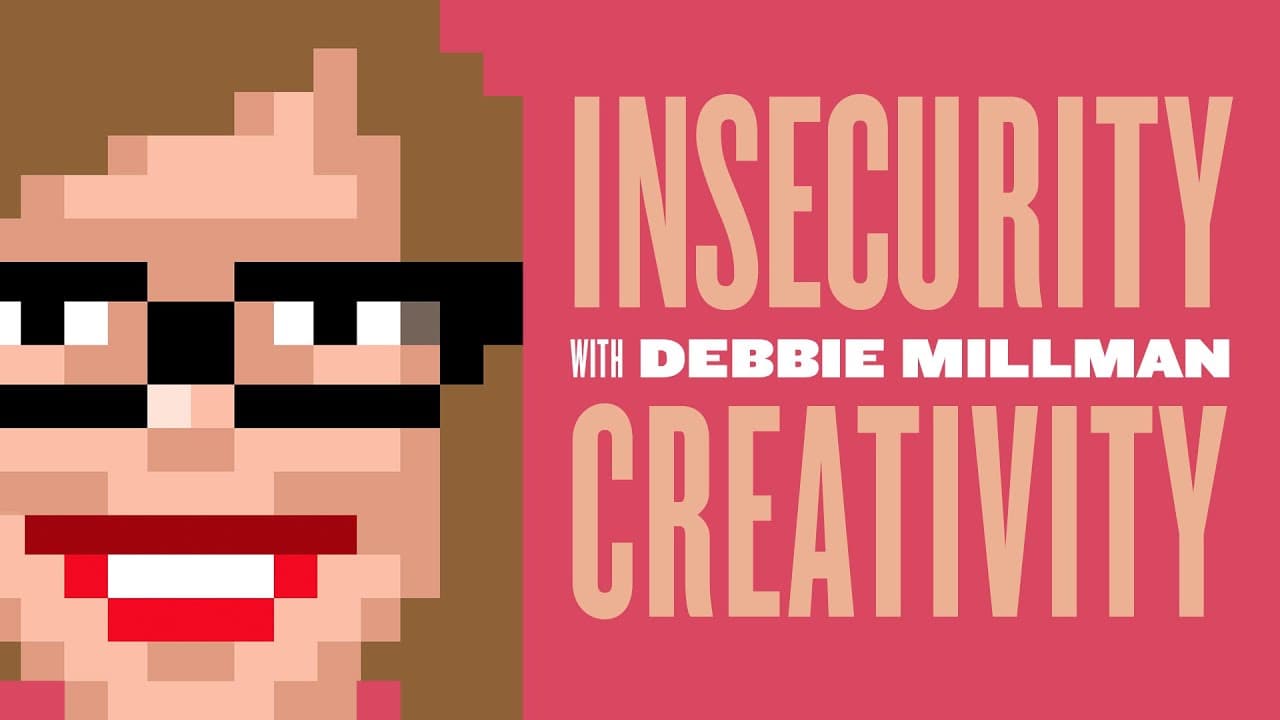
How to design the arc of your creative life
TL;DR
Creativity is driven by insecurity, and you can shape your own path by consciously designing the arc of your life. The conversation explores how creative minds foster courage, seek belonging, and build identity through mentors and self reflection. It highlights that progress comes from deliberate design, not chance alone.
Transcript
guys I have the distinct pleasure of having Debbie milman stepping into the booth with us I have to admit this is impromptu for both of us we we have to take opportunity sometimes when it when it appears and here we are so Debbie milman she's done a lot of incredible things she may be the longest running person who who's done like a design podcast ... Read More
Key Insights
- Creativity is tied to the design of a life arc rather than a fixed path.
- Insecurity is described as a pervasive driver that fuels creative expression.
- Creativity emerges as a response to psychological motivations and the need to matter.
- A sense of belonging can dramatically shape who a creative person becomes.
- Mentors and peer examples influence how individuals model behavior and confidence.
- Early freedom and hands off parenting can foster independence essential for creative growth.
- Identity anchors, such as a chosen craft, can stabilize self worth and direction.
- Peak moments in a career are not the sole source of identity; ongoing development matters.
- More videos from this channel:
- More from this channel: The Futur
Install to Summarize YouTube Videos and Get Transcripts
Explore YouTube Video Summarizer or Get YouTube Transcript Extractor
Questions & Answers
Q: What is the arc of a creative life and can we design it?
The arc of a creative life is described as something people design through choices, experiences, and continual self reflection. Debbie Millman emphasizes that the arc is not purely predetermined by circumstances but can be shaped by how a person pursues creative work, confronts insecurity, and builds a sense of purpose over time. This design mindset means ongoing adaptation and learning from diverse influences is essential for sustained creativity.
Q: Is insecurity a common thread among creative people?
Yes, insecurity is discussed as a pervasive sense that can drive creative activity. Debbie notes that many creatives use creativity as a way to express thinking and ideas, and that insecurity may lead to deeper motivation to matter and to prove oneself. The discussion suggests insecurity can be a catalyst rather than a hindrance when channeled into work.
Q: What fuels Debbie Millman’s own creativity according to the interview?
Debbie explains that her creativity is fueled by a desire to matter and to have a sense of worth in her life. This motivation arises from personal experiences, including a challenging childhood, and she uses creative work as a means to find purpose, express ideas, and connect with others through Design Matters and her broader work.
Q: How did Debbie Millman describe the influence of her upbringing on creativity?
She describes an upbringing with a hands off yet thoughtful father who allowed exploration, which helped her form a strong sense of self. This environment fostered independence, risk taking, and a belief that she could be whoever she wanted to be, which later supported her creative career and resilience in the face of insecurity.
Q: What role does belonging play in the development of a creative person?
Belonging is identified as a strong human need that shapes how creative people find their tribe and identity. The interview discusses looking for a group to belong to and later finding anchors in craft and mentors. This process helps build confidence and provides models to imitate in developing one’s own style and career.
Q: How does the interview address peak moments and continuing growth?
The conversation references the idea that peaks can be isolating and that ongoing growth matters more than reaching a singular summit. Debbie and Chris discuss that continued practice, learning from others, and evolving work are crucial for sustaining creativity beyond early successes, avoiding complacency, and maintaining momentum.
Q: What practical steps can someone take to design their arc of life?
Practical steps include identifying a craft or field that sparks natural ability, seeking mentors and peers who model confidence, learning from successful creators, and deliberately reflecting on personal insecurities to convert them into purposeful work. Consistent practice, experimentation, and openness to new influences help shape a resilient and evolving creative arc.
Q: How does Debbie view the relationship between insecurity and creative success?
Debbie views insecurity as a potentially positive force that can push a person to prove themselves and create meaningful work. She emphasizes that while insecurity is common, it can be managed by anchoring identity in craft, seeking supportive communities, and using creative expression to address internal needs for worth and belonging.
Summary & Key Takeaways
-
The arc of a life is something people can design, not just a fate they follow, and Debbie Millman discusses how this design process relates to creativity.
-
Creativity is described as a response to insecurity, with many creative minds using it as a way to express ideas and assert identity.
-
Mentorship and consistent practice help build confidence, while early experiences and feeling of belonging influence how creative paths form and mature.
Read in Other Languages (beta)
Share This Summary 📚
Summarize YouTube Videos and Get Video Transcripts with 1-Click
Try YouTube Summary with ChatGPT & Claude or YouTube Transcript Generator
Explore More Summaries from The Futur 📚





Summarize YouTube Videos and Get Video Transcripts with 1-Click
Try YouTube Summary with ChatGPT & Claude or YouTube Transcript Generator