How to craft a brand story with character, want, obstacle
TL;DR
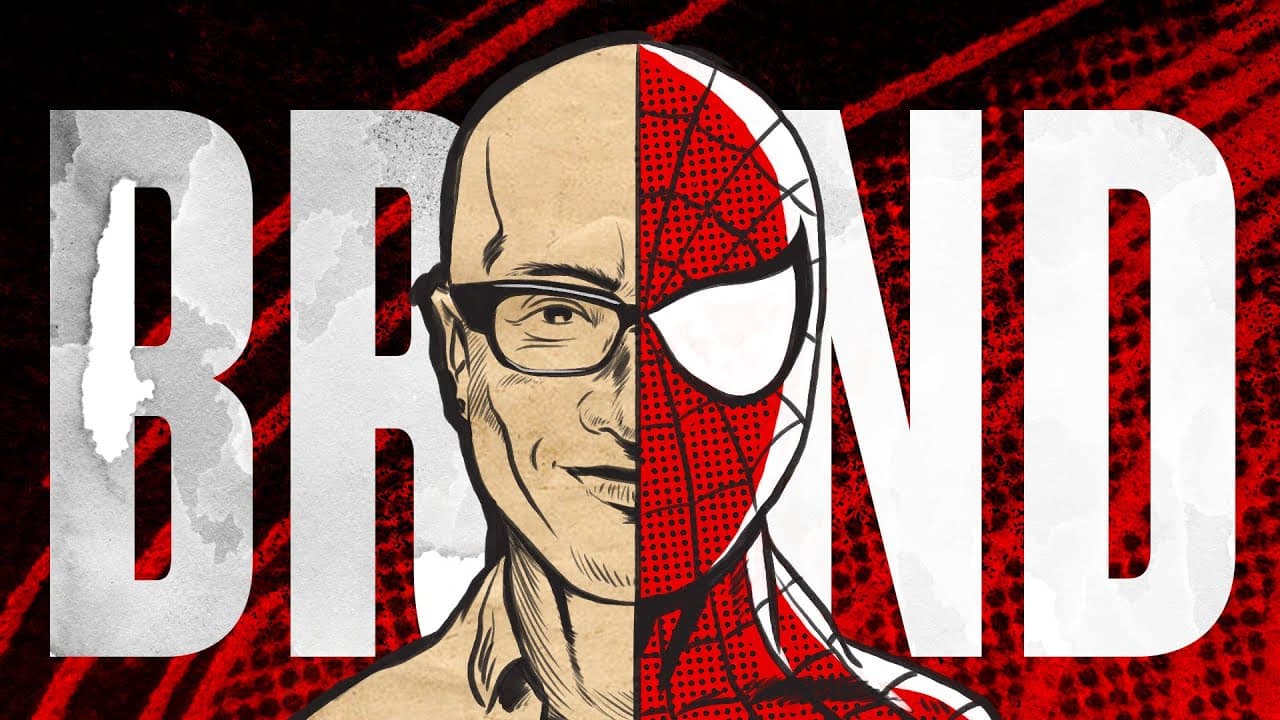
Your story succeeds when you define a vivid character who wants something, faces a real obstacle, and learns a lesson. Use a relatable backstory, an inciting incident, a relapse, and a resurrection to map a hero’s journey for your audience. This structure helps market to a specific, needs driven client base.
Transcript
but what makes you interesting complex unique is not your superpower in my opinion it's your vulnerabilities there are three components to storytelling and stories you must have these three otherwise it will not work character want and obstacle so you have to have an interesting character That's Unique that feels three-dimensional and not a charact... Read More
Key Insights
- Vulnerabilities can be more compelling than superpowers because they make a character relatable and complex.
- The three storytelling components are character, want, and obstacle, and all three must be present for a story to work.
- Narrowing the market to a specific audience helps you predict behavior and tailor your message effectively.
- Stan Lee is cited as a master of character design, starting with a power, then a name, then personal problems to build a relatable hero.
- Spider Man’s origin shows that the triggering event (inciting incident) and personal losses shape the hero, not just the superpower.
- A relapse in the hero arc adds realism by showing flawed decisions that deepen audience connection and growth.
- The resurrection moment marks a turning point that reinforces the hero’s commitment to using power for responsibility.
- The structure aligns with traditional narrative frameworks like the hero’s journey and story circles, reinforcing a universal pattern for engaging branding.
- More videos from this channel:
- More from this channel: The Futur
Install to Summarize YouTube Videos and Get Transcripts
Explore YouTube Video Summarizer or Get YouTube Transcript Extractor
Questions & Answers
Q: What are the three storytelling components and why are they essential?
The three storytelling components are character, want, and obstacle. They are essential because they create a three dimensional figure who has a clear desire and a real obstacle standing in the way. This combination drives conflict, motivates action, and keeps the audience engaged by making the story relatable and actionable for branding purposes.
Q: How does personal branding benefit from being specific about the audience?
Being specific about the audience helps you visualize the exact person you are serving, which makes the messaging more precise and persuasive. When you can draw that person and predict their actions, you can tailor the story to address their needs, fears, and goals, increasing the likelihood they will engage and convert.
Q: Why is vulnerability more important than a hero’s power in storytelling?
Vulnerability reveals authentic flaws and struggles that viewers can relate to, creating emotional resonance. While powers attract interest, vulnerabilities deepen trust and credibility, showing that the character is human and capable of growth, which strengthens the audience connection and makes the branding message memorable.
Q: What role does the inciting incident play in a brand story?
The inciting incident marks the moment the ordinary life changes, propelling the character into a new world. In branding, it signals the turning point when a customer realizes a need or opportunity, inviting engagement with your solution and setting up the subsequent journey of change and growth.
Q: What is the significance of the relapse in the hero arc?
The relapse introduces realistic flaws and difficult choices, making the journey more relatable. It creates tension and shows that growth is not linear, which helps the audience invest in the character and in the eventual resolution, reinforcing the credibility of the brand narrative.
Q: How does the resurrection moment influence a brand narrative?
The resurrection represents a turning point where the character overcomes flaws and commits to using their abilities for a higher purpose. In branding, this reinforces the message that transformation is possible for the audience and that your offering can guide that meaningful change.
Q: How is Spider-Man used to illustrate the storytelling framework?
Spider-Man is used as a case study to map backstory, inciting incident, relapse, and resurrection to a hero’s journey. The character starts with a power, then a name, then personal problems, and finally a tragedy that deepens motivation, showing how a well structured arc informs real world branding.
Q: What is the link between the hero journey and marketing strategy?
The hero journey provides a universal pattern of change that resonates with audiences. By aligning a marketing story to this framework, you create a compelling narrative arc with clear stakes, a relatable protagonists, and a pathway to transformation, which helps attract and convert clients.
Summary & Key Takeaways
-
A clear character, a concrete want, and a genuine obstacle form the core of effective storytelling for branding. The framework encourages specificity about who you serve and what they seek, making your message more compelling.
-
The talk uses Spider-Man as a case study, highlighting how backstory, inciting incident, relapse, and resurrection drive a relatable arc that informs both personal branding and marketing.
-
The hero journey concept is linked to established narratives like Campbell the hero with a thousand faces and Dan Harmon story circle, illustrating a universal pattern behind successful stories.
Read in Other Languages (beta)
Share This Summary 📚
Summarize YouTube Videos and Get Video Transcripts with 1-Click
Try YouTube Summary with ChatGPT & Claude or YouTube Transcript Generator
Explore More Summaries from The Futur 📚


Summarize YouTube Videos and Get Video Transcripts with 1-Click
Try YouTube Summary with ChatGPT & Claude or YouTube Transcript Generator