How to Reduce Visceral Fat Safely and Effectively
TL;DR
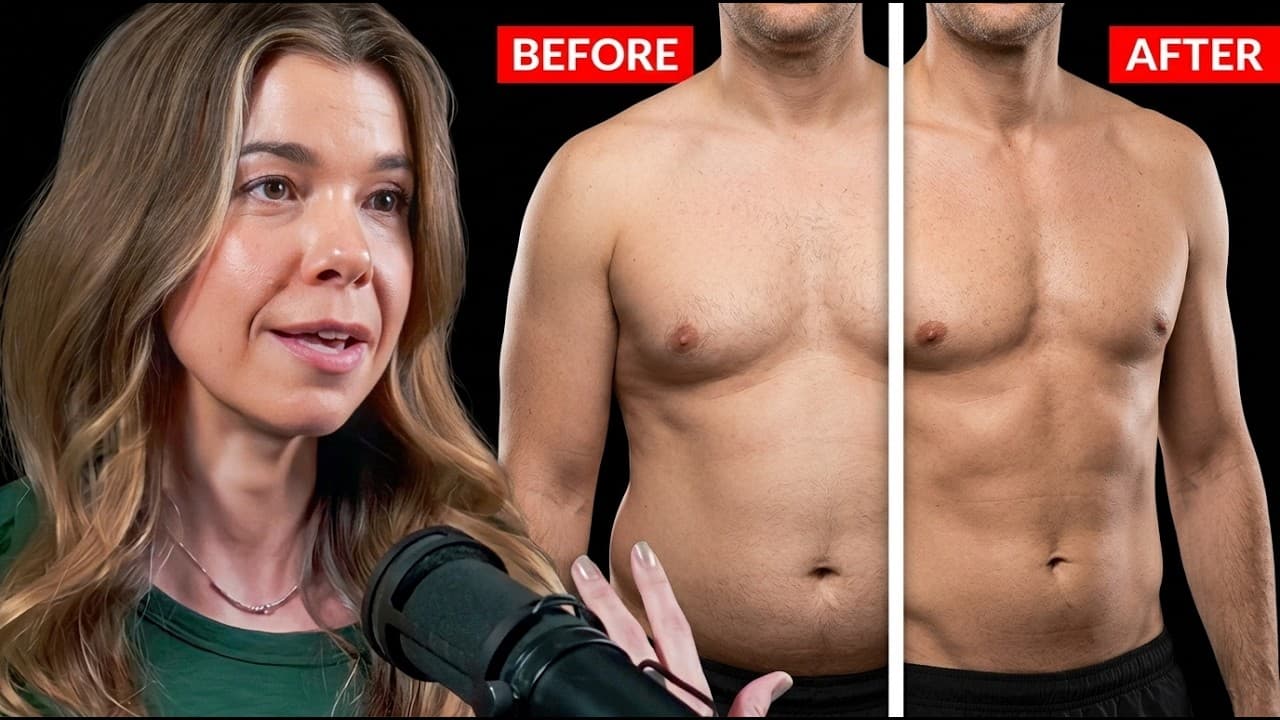
Visceral fat is more dangerous than subcutaneous fat because it surrounds organs and secretes inflammatory factors, contributing to insulin resistance and energy crashes. Reducing it involves a caloric deficit, aerobic and high intensity training, and mindful eating, while recognizing that hormone changes with aging can shift fat storage.
Transcript
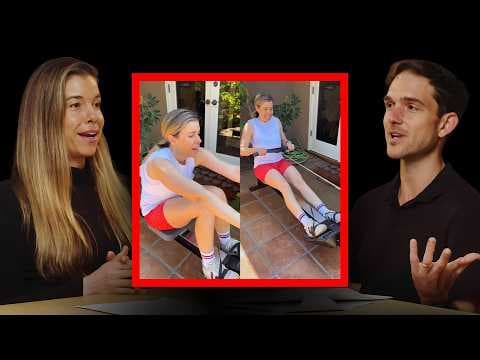
It sounds like you train fasted. >> I listen to how I feel. That's exactly what I do. So, what what your podcast guest and and the researchers are talking about is exactly there are times when I wake up in the morning and I'm like, I need to eat something before I work out. >> And I do um but I often times do train fasted one because I am practicin... Read More
Key Insights
- Visceral fat is located around internal organs and acts like an endocrine organ.
- Visceral fat is associated with double the risk of early death and higher cancer risk.
- Insulin resistance is a key problem driven by visceral fat and affects energy regulation.
- Caloric deficit plus exercise is a powerful combination to reduce visceral fat.
- Fasted training can increase fat burning in the right contexts but may impair performance in long workouts.
- Menopause and aging shift fat storage from subcutaneous to visceral areas.
- Waist circumference thresholds are used as practical proxies for visceral fat risk.
- Some individuals can have high visceral fat without visible weight gain, a condition sometimes called lean metabolic unhealthiness.
Install to Summarize YouTube Videos and Get Transcripts
Explore YouTube Video Summarizer or Get YouTube Transcript Extractor
Questions & Answers
Q: What makes visceral fat more dangerous than subcutaneous fat?
Visceral fat sits around the organs and behaves like an active endocrine tissue, secreting inflammatory factors which can contribute to insulin resistance and metabolic disturbances. This fat is metabolically active, located near the liver and gut, and its proximity to vital organs increases health risks such as insulin disturbances and energy crashes. It also tends to drive higher disease risk even without large changes on the scale.
Q: How can you detect visceral fat without advanced scans?
A practical proxy for visceral fat is waist circumference, with higher measurements indicating greater visceral fat risk. For women, a circumference of 35 inches or more, and for men, 40 inches or more, is associated with higher visceral fat. This simple measurement can help people gauge risk in everyday settings when DEXA scans are not available.
Q: Can visceral fat drive energy crashes?
Yes, visceral fat contributes to insulin resistance, which disrupts how the body manages glucose and energy after meals. When insulin resistance is present, the brain and cells may not efficiently use glucose, leading to lethargy and energy crashes. This makes energy management more challenging and affects daily functioning and workout performance.
Q: Can five days of junk food drive visceral fat gain?
Short-term studies show that consuming a calorically dense, high saturated fat and high sugar diet for several days can lead to brain insulin resistance and increased visceral fat and liver fat, even without weight gain. This demonstrates how quickly metabolic changes can occur with dietary shifts and how visceral fat responds rapidly to diet composition.
Q: What actually works to reduce visceral fat?
A combination of aerobic exercise, high intensity interval training, and maintaining a caloric deficit is effective for reducing visceral fat. While fasted training can offer some fat-burning advantages in certain contexts, the overall approach should balance intensity, duration, and energy balance to avoid performance losses while targeting visceral fat reduction.
Q: Does exercising fasted actually help burn belly fat?
Exercising in a fasted state can lead to greater fat oxidation during exercise and may help reduce belly fat for some people. However, there can be a performance hit during longer or high intensity sessions. The choice to train fasted should consider personal goals, how you feel, and the type of workout planned.
Q: Is intermittent fasting safe for preserving muscle mass?
Intermittent fasting can be compatible with maintaining muscle mass if protein intake is adequate, workouts are well planned, and total daily calories meet needs. It is important to monitor how you feel during training and adapt as needed, because muscular needs vary and hormonal factors can influence how fat is stored and used for energy.
Q: How do aging and hormonal changes affect visceral fat storage?
Aging and hormonal shifts, particularly decreasing estrogen around menopause, influence fat distribution and promote visceral fat accumulation. This makes older adults more prone to belly fat and the associated risks. Understanding this helps in tailoring strategies that focus on reducing visceral fat through diet, exercise, and timing of meals to support metabolic health.
Summary & Key Takeaways
-
Visceral fat differs from subcutaneous fat by its location and activity, being around the organs and secreting inflammatory factors. It is linked to insulin resistance and higher disease risk. Managing it requires diet and exercise strategies tailored to reduce deep belly fat, not just overall weight.
-
Intermittent fasting and fasted training may be used by some people, but the best approach depends on personal goals and how you feel during workouts. A balanced plan combining caloric control and appropriate exercise tends to be effective.
-
Age related hormonal changes, especially in estrogen, influence fat storage patterns, making visceral fat more common in older adults. Understanding these mechanisms helps in designing targeted strategies to reduce belly fat and lower associated health risks.
Read in Other Languages (beta)
Share This Summary 📚
Summarize YouTube Videos and Get Video Transcripts with 1-Click
Try YouTube Summary with ChatGPT & Claude or YouTube Transcript Generator
Explore More Summaries from FoundMyFitness Clips 📚
Summarize YouTube Videos and Get Video Transcripts with 1-Click
Try YouTube Summary with ChatGPT & Claude or YouTube Transcript Generator