How to use the lock-in zone to boost watch time
TL;DR
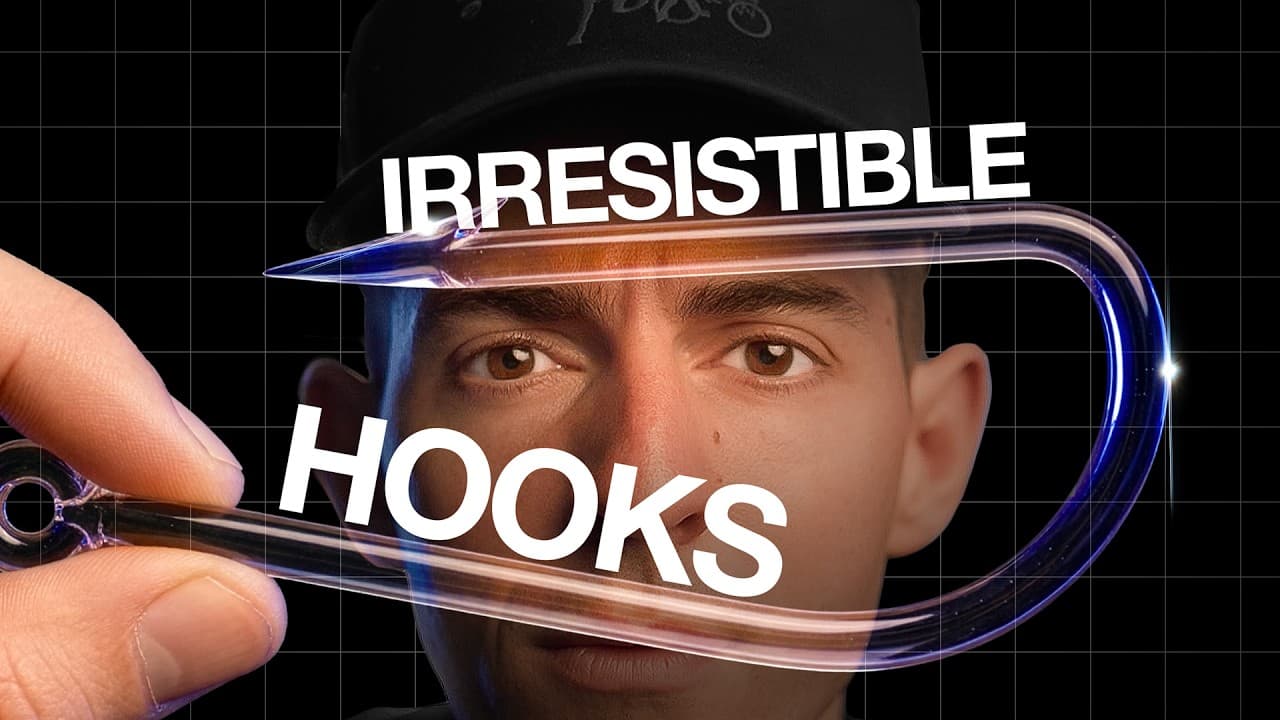
The lock-in zone is the sentences that follow your hook and determine viewer retention. Use one of six proven methods to keep viewers watching, pairing bold claims with concrete proof or a desired transformation. Applying these approaches consistently can raise engagement by aligning content with audience expectations.
Transcript
If you want to get more views on your videos, there's a key piece of your script you've probably been ignoring. It's called the lock-in zone. Now, everybody talks about the importance of your hook, and it is important, but it turns out what you say directly after your hook is the real reason why your videos hold attention. The hook gets the attenti... Read More
Key Insights
- The lock-in zone is the set of one to three sentences that come directly after the hook and lock in viewer attention.
- There are six distinct lock-in zone methods designed to boost engagement by sustaining curiosity.
- Method 1 relies on teasing concrete proof that validates the hook claim.
- Method 2 teases a favorable transformation or effect when proof is scarce.
- Method 3 rapidly introduces contrast to create an A versus B dynamic.
- Method 4 uses a provable consequence to push the viewer toward the outcome.
- Method 5 leverages curiosity by outlining a roadmap or plan.
- Method 6 leverages social proof or credibility cues to support the claim.
Install to Summarize YouTube Videos and Get Transcripts
Explore YouTube Video Summarizer or Get YouTube Transcript Extractor
Questions & Answers
Q: How to start applying the lock-in zone after the hook in a video
To apply the lock-in zone after the hook start with a bold claim that maps to the desired outcome for the viewer and then follow with concrete, tactical proof that supports that claim. If you have real proof, present it clearly to validate the result and reduce doubt, increasing the viewer’s commitment to watch further.
Q: What is the purpose of the lock-in zone in video storytelling
The lock-in zone serves to transform initial curiosity into sustained engagement. It does this by presenting a clear transformation, proof, or contrast that makes the viewer want to continue watching to see how the stated outcome is achieved. This zone acts like a ratchet that gradually raises curiosity from a basic interest to strong intent.
Q: What is method one of the six lock-in zone approaches
Method one is teasing the proof. It starts with a bold claim in the hook and then, in the lock-in zone, provides concrete and tactical proof that the claim can deliver the promised outcome. This approach works best when there is verifiable evidence that can be shared to back up the assertion.
Q: What is method two of the six lock-in zone approaches
Method two involves teasing a favorable transformation or effect. If numeric proof is not available, describe the transformation the viewer would experience from applying the advice, such as increased confidence or improved skills. This helps connect the claim to a tangible, desirable change the audience cares about.
Q: What is method three of the six lock-in zone approaches
Method three rapidly introduces contrast. It states a common belief and immediately presents an alternative, creating a clear A versus B dynamic. This contrast fuels curiosity because viewers want to know why the new approach differs and whether the alternative actually delivers better results.
Q: Why is contrast important in the lock-in zone
Contrast is important because curiosity is driven by state change. By presenting an initial belief and a newer approach, you create a mental tension that viewers feel compelled to resolve. This tension keeps them watching to understand what changed and why the new method is superior.
Q: Can the lock-in zone be used with educational content
Yes, the lock-in zone is particularly useful in educational content where the creator has concrete proof or a compelling transformation to share. When proof exists, it strengthens credibility and makes the audience more likely to accept the instructional claims. Even without proof, describing a meaningful transformation can still boost retention.
Q: How should a creator decide which lock-in zone method to use
A creator should assess available evidence and the audience’s needs. If solid proof exists, use method one or combine it with another proving approach. If proof is scarce, opt for method two or three to highlight transformation or contrast. The goal is to connect the claim to a believable, desirable outcome for viewers.
Summary & Key Takeaways
-
The video introduces the lock-in zone as a critical follow‑up to the hook, defining it as one to three sentences that increase curiosity and retention. It presents six distinct methods to structure this zone, each with examples and guidance on when to use them for better performance.
-
The methods emphasize proof, transformation, and contrast to maintain attention, using real examples from the creator and referenced data to illustrate how each approach works in practice.
-
The video frames hook and lock-in as a two‑part system where the hook captures attention and the lock-in zone sustains it, enabling creators to optimize their messaging for higher audience retention and engagement.
Read in Other Languages (beta)
Share This Summary 📚
Summarize YouTube Videos and Get Video Transcripts with 1-Click
Try YouTube Summary with ChatGPT & Claude or YouTube Transcript Generator
Explore More Summaries from Kallaway 📚



Summarize YouTube Videos and Get Video Transcripts with 1-Click
Try YouTube Summary with ChatGPT & Claude or YouTube Transcript Generator