How to Master the Six Levels of Storytelling
TL;DR
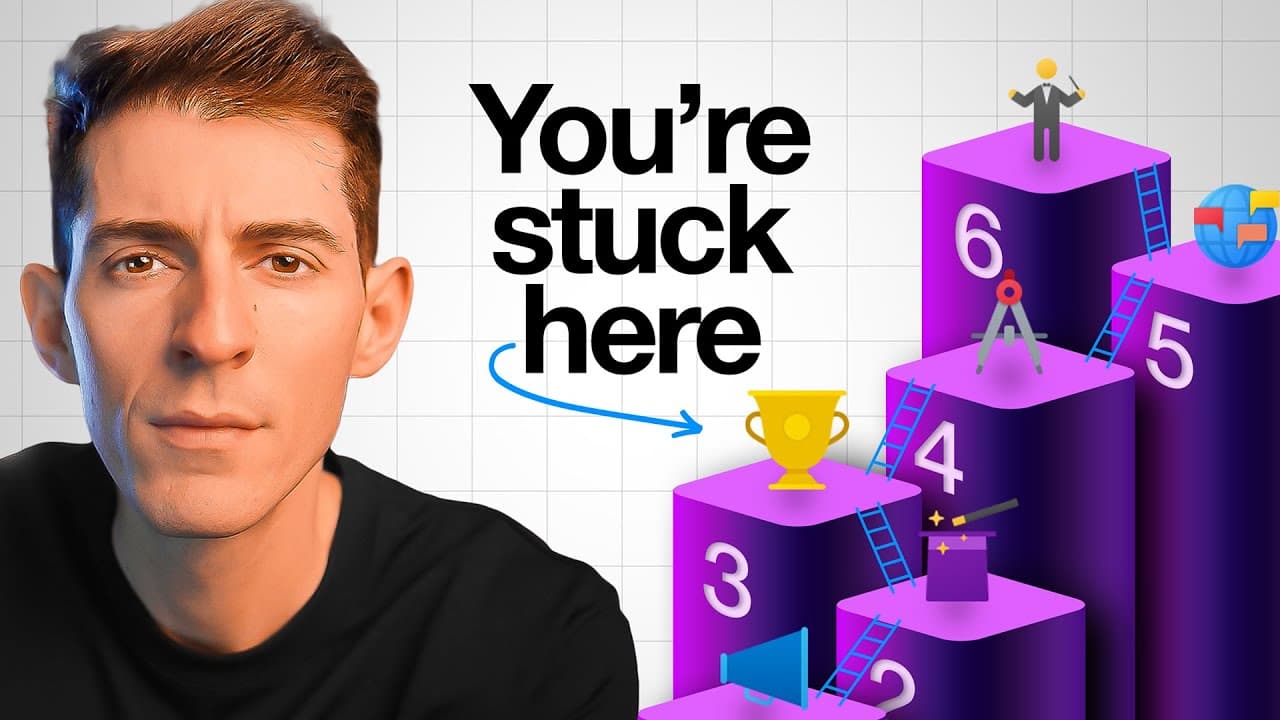
Mastering storytelling involves climbing a 'story ladder' with six levels: foundational reporting, engaging hooks, personal stakes, narrative arcs, comprehension resonance, and unique style. Each level adds complexity and engagement, helping creators hold audience attention and achieve business goals. With practice, creators can develop a signature storytelling style that sets them apart.
Transcript
There are six levels of storytelling that every creator must master. I call this the story ladder. The higher the level, the better the story and the bigger the results. Now, unfortunately, most people are stuck at the bottom few levels. Their stories just don't hit. And so, they're playing the content game on hard mode because they can't hold atte... Read More
Key Insights
- Storytelling is a six-level process called the 'story ladder'.
- Level one storytelling is the foundation, akin to reporting facts.
- Hooks, or 'rehooks', are vital to maintain viewer interest at level two.
- Level three introduces stakes, making the story personally relevant.
- Narrative arcs and loops in level four add depth and complexity.
- Level five focuses on resonance, ensuring the story is comprehensible.
- A unique storytelling style, or 'signature sauce', defines level six.
- Mastery of storytelling can significantly boost content performance.
Install to Summarize YouTube Videos and Get Transcripts
Explore YouTube Video Summarizer or Get YouTube Transcript Extractor
Questions & Answers
Q: How can I improve my storytelling skills?
Improving storytelling skills involves mastering six levels: foundational reporting, engaging hooks, personal stakes, narrative arcs, comprehension resonance, and unique style. Start by understanding each level, practice incorporating them into your stories, and develop a unique style over time. This structured approach can significantly enhance your storytelling capabilities.
Q: What is the importance of hooks in storytelling?
Hooks are crucial in storytelling as they maintain the viewer's interest by creating unexpected turns and contrasts. They work by keeping the audience's brain engaged and curious about what happens next, preventing predictability and boredom. Effective use of hooks can significantly enhance engagement and retention in content.
Q: Why are stakes important in a story?
Stakes make a story personally relevant to the audience by addressing specific pain points or creating relatable characters and conflicts. This personal connection engages viewers more deeply, as they see themselves in the story, increasing their investment in the narrative and their desire to see its resolution.
Q: How do narrative arcs and loops enhance a story?
Narrative arcs and loops add depth and structure to a story by creating rising and falling action, building tension, and providing resolution. They help in organizing the story into comprehensible sections, making it easier for the audience to follow and stay engaged, especially in complex or longer narratives.
Q: What role does resonance play in storytelling?
Resonance ensures that the story is easily understood by the audience. It involves reviewing the story to eliminate confusion, using aligned visuals or metaphors to clarify complex points. Resonance increases comprehension, ensuring that the audience grasps and retains the story's key messages and themes.
Q: How can I develop a unique storytelling style?
Developing a unique storytelling style involves identifying and honing the distinct elements that set your storytelling apart. This could be your way of explaining concepts, visual style, or narrative voice. It requires practice and experimentation with different storytelling techniques until your 'signature sauce' naturally emerges.
Q: What is the 'story ladder' in storytelling?
The 'story ladder' is a framework consisting of six levels that creators can climb to enhance their storytelling skills. Each level builds on the previous one, starting from basic reporting to incorporating hooks, stakes, arcs, resonance, and finally developing a unique style. Mastery of each level leads to more engaging and effective storytelling.
Q: How can storytelling improve content performance?
Effective storytelling improves content performance by capturing and maintaining audience attention, making content more engaging and relatable. By structuring content through the six levels of storytelling, creators can hold viewers' interest longer, increase comprehension, and ultimately achieve better engagement and business outcomes.
Summary & Key Takeaways
-
The six levels of storytelling form a ladder that creators can climb to improve their content. Starting from basic reporting, creators can add hooks, stakes, arcs, and resonance to make stories more engaging and comprehensible. The final level involves developing a unique style that sets the creator apart.
-
Level one is foundational, focusing on facts and basic narrative structure. Level two introduces hooks to maintain interest, while level three adds stakes to make the story personally relevant. Level four uses arcs and loops to add depth, and level five ensures the story is easily understood.
-
Level six is about developing a unique storytelling style, which is the culmination of mastering the previous levels. This 'signature sauce' makes a creator's content stand out and is crucial for long-term success in storytelling and content creation.
Read in Other Languages (beta)
Share This Summary 📚
Summarize YouTube Videos and Get Video Transcripts with 1-Click
Try YouTube Summary with ChatGPT & Claude or YouTube Transcript Generator
Explore More Summaries from Kallaway 📚





Summarize YouTube Videos and Get Video Transcripts with 1-Click
Try YouTube Summary with ChatGPT & Claude or YouTube Transcript Generator