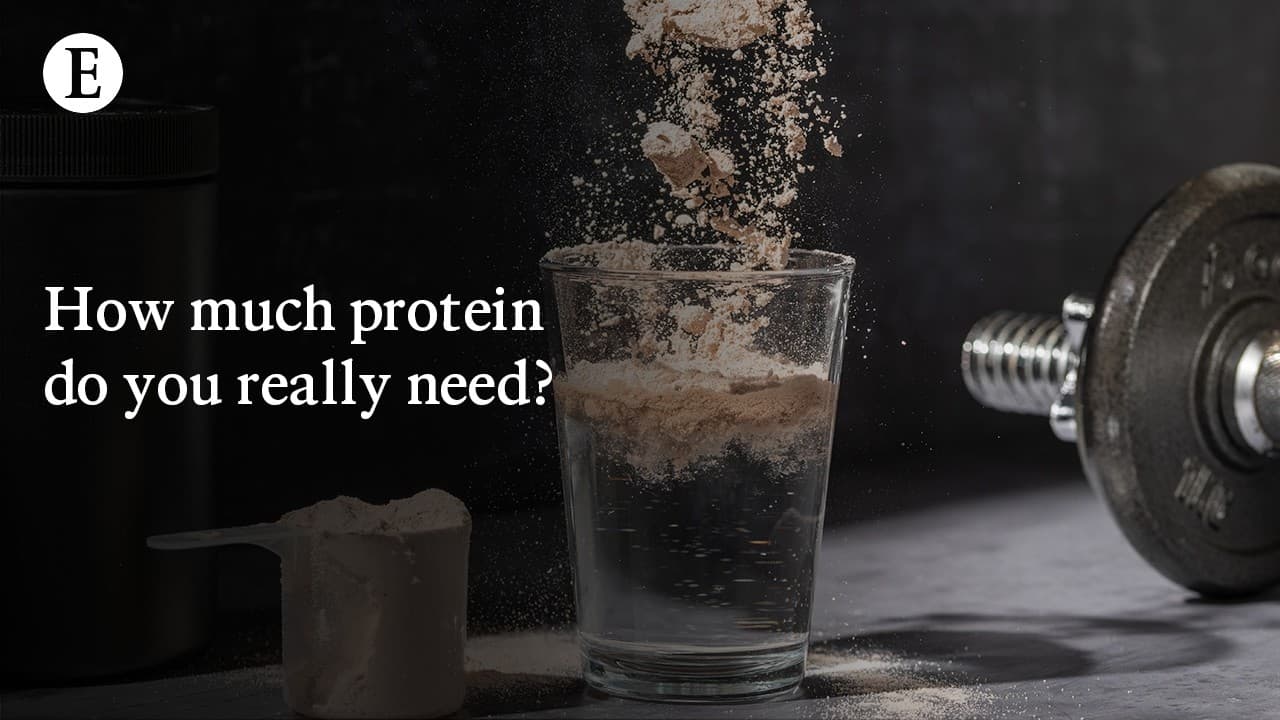
How much protein do you really need for muscle growth?
TL;DR
Protein is essential but more isn’t always better. For maintenance, aim around 0.8 grams per kilogram of body weight; for muscle gain, 1.2 to 1.4 g/kg is common, with little added benefit beyond about 1.6 g/kg. Growth also requires regular strength training and consistency over time.
Transcript
On this week's show, we're talking about how to optimize your body. And if you want to listen to the full show, please click the link in the description below. Today, I'm joined by the economist Tim Cross. Great to have you here, Tim. I think every listener to this show, whether they're interested in protein or not, will have seen the rise of prote... Read More
Key Insights
- Protein fuels body structure including muscles, skin, and hair.
- Muscles are built from protein filaments such as myosin and actin.
- The body uses 20 amino acids to assemble proteins.
- WHO recommends about 0.8 g/kg of body weight per day for maintenance.
- Athletes may benefit from 1.2–1.4 g/kg per day for muscle growth.
- Protein alone does not grow muscle without exercise.
- Benefits of high protein intake plateau around 1.6 g/kg per day.
- High protein diets can risk kidney strain and may carry risks if rich in saturated fats from red meat.
Install to Summarize YouTube Videos and Get Transcripts
Explore YouTube Video Summarizer or Get YouTube Transcript Extractor
Questions & Answers
Q: How much protein should I eat per day for maintenance?
For maintenance, the recommended amount is about 0.8 grams of protein per kilogram of body weight per day. This guideline reflects the amount needed to sustain muscle health and overall bodily functions in most people. It assumes a balance of meals with protein across the day and regular activity. Your exact needs can vary with age, activity level, and health status, but 0.8 g/kg is a standard starting point for maintaining current muscle and tissue integrity.
Q: What protein intake is best for building muscle?
To support muscle growth, higher protein intakes are commonly recommended. The guidance often cited is about 1.2 to 1.4 grams per kilogram of body weight per day for those engaged in strength training. This level helps provide the amino acids needed for muscle repair and synthesis in combination with resistance exercise. Individual responses can vary based on training load and recovery.
Q: Is there a point where more protein stops helping with muscle growth?
Yes, the benefit of increasing protein intake appears to level off beyond roughly 1.6 grams per kilogram per day. Beyond this point, additional protein does not provide meaningful gains in muscle mass, especially if exercise stimulus and overall energy balance are not optimized. Thus, consuming more protein beyond 1.6 g/kg yields diminishing returns.
Q: Can eating lots of protein harm my kidneys?
There is concern that very high protein intake over long periods could risk kidney function in people with preexisting kidney issues. For healthy individuals, moderate increases in protein for muscle gain generally do not harm kidneys, but those with kidney disease or related conditions should consult a healthcare professional before significantly increasing protein intake.
Q: Are protein supplements necessary for muscle growth?
Protein supplements, such as whey, can be convenient to boost protein intake without a large rise in calories. They are not strictly necessary for everyone, but they can help those who struggle to meet protein targets through whole foods. Whey protein has been studied and shown to support muscle mass when combined with resistance training.
Q: What is whey protein and why is it popular?
Whey protein is a byproduct of cheese production and is used as a supplement due to its high protein content relative to calories. It is popular because it provides a convenient source of essential amino acids that support muscle synthesis, especially around workouts, and can help people reach their daily protein targets more easily.
Q: Does protein help with fullness or appetite control?
Protein intake is associated with increased satiety, meaning it can help you feel fuller for longer after meals. This effect may reduce snacking and overall calorie intake, contributing to weight management. While promising, the satiety effect can vary between individuals and depends on overall diet quality and meal composition.
Q: What should I consider besides protein for muscle health?
Beyond protein, engaging in regular strength training is essential for signaling the body to build muscle. Consistency matters more than any single nutrient amount. A balanced diet that includes adequate calories, nutrient-dense foods, and healthy fats, along with progressive resistance exercise, supports sustainable muscle health and overall well being.
Summary & Key Takeaways
-
Protein is the building block of the body including muscles, skin, and hair. It is composed of 20 amino acids your body uses to build various structures and enzymes.
-
Protein needs vary by goal: maintenance uses about 0.8 g/kg, while athletes aiming to gain muscle may target 1.2–1.4 g/kg, with diminishing returns above ~1.6 g/kg.
-
Muscle growth requires a combination of adequate protein and regular exercise, and overall diet quality matters. Persistently high protein intake without exercise yields limited benefits, and protein sources should be chosen with health considerations in mind.
Read in Other Languages (beta)
Share This Summary 📚
Summarize YouTube Videos and Get Video Transcripts with 1-Click
Try YouTube Summary with ChatGPT & Claude or YouTube Transcript Generator
Explore More Summaries from The Economist 📚






Summarize YouTube Videos and Get Video Transcripts with 1-Click
Try YouTube Summary with ChatGPT & Claude or YouTube Transcript Generator