Fashion's Toxic Threads: How Do Clothes Create Microplastic Pollution?
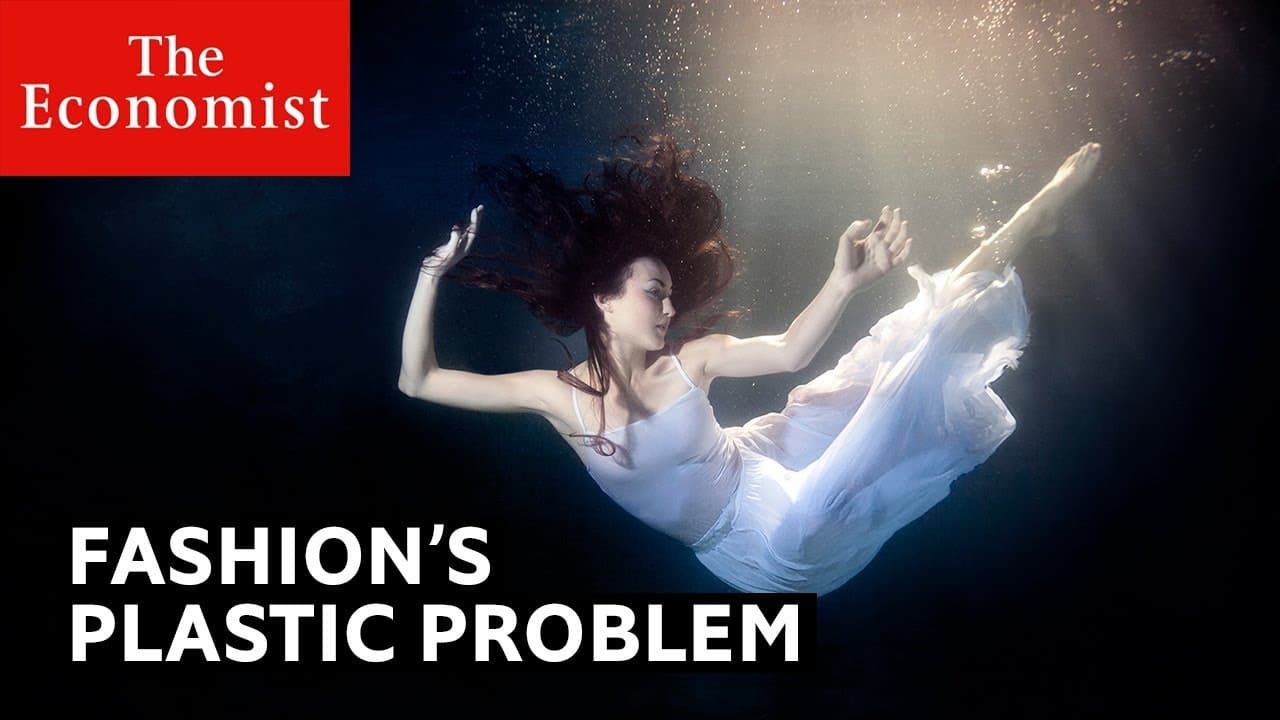
TL;DR
Fashion’s synthetic clothes create microplastic pollution when polyester, nylon, and acrylic fibers break apart during washing and escape wastewater treatment. A domestic load can release up to 700,000 fibers, while one-third of sampled English Channel fish contained synthetic pieces. Finisterre and ECOALF are testing alternatives through organic cotton, recycled materials, wool, and redesigned yarn. Read on to see how fashion brands are confronting the problem.
Transcript
From the high street to haute couture, fashion is a 1.3 trillion dollar industry, but it comes with a hefty environmental price tag. Cotton production is being blamed for depleting water sources and contaminating the environment with pesticides. Chemical waste from clothes manufacturing has devastated rivers in Asia, and some estimates suggest the ... Read More
Key Insights
- 💃💸 The fashion industry generates $1.3 trillion but has a high environmental cost, with cotton production depleting water sources and synthetic fibers from polyester, nylon, and acrylic accumulating as microplastics in the environment.
- 🔬 Microplastic research conducted by Professor Richard Thompson has unveiled a significant increase in plastic fibers, with domestic washing releasing up to 700,000 fibers per wash that may escape waste water treatment.
- 🌍 Between 2000 and 2016, global garment industry's polyester use rose from 8.3 to 21.3 million tons annually, resulting in a third of fish collected in the English Channel having synthetic pieces in their guts.
- ♻️ Brands like Finisterre are redesigning harmful fibers and fabrics and utilizing organic cotton, recycled polyester insulation, and biodegradable wool to reduce their environmental impact. They are part of the B Corp approved Companies, committed to prioritizing sustainability.
- 👟 ECOALF is upcycling ocean plastics into shoes, using 100% plastic bottles and algae, reducing plastic microfiber pollution. They are also creating a synthetic material that doesn't shed microfilaments.
- 💸 Boutique brands like ECOALF face higher costs and complexity in their production methods but pave the way for more affordable environmentally friendly fashion if bigger labels follow suit.
- 🛠️ More research is needed to understand the potential harm of microplastics on the natural environment, but their presence already poses significant concerns and challenges for the fashion industry.
Install to Summarize YouTube Videos and Get Transcripts
Explore YouTube Video Summarizer or Get YouTube Transcript Extractor
Questions & Answers
Q: How do clothes release microplastics into the environment?
Synthetic materials such as polyester, nylon, and acrylic degrade and release plastic fibers during a washing-machine cycle. Some fibers are intercepted by wastewater treatment, but a significant number can escape into the environment.
Q: How many plastic fibers can one load of laundry release?
A domestic washing load can release up to 700,000 fibers in a single wash. Those fibers enter wastewater treatment, where some are captured and others may escape into the environment.
Q: Why is polyester use a growing environmental concern?
The global garment industry’s annual polyester use increased from 8.3 million tons in 2000 to 21.3 million tons in 2016. Because polyester consists of plastic fibers that can break down during washing, greater use can contribute to accumulating microplastics.
Q: How are microplastics affecting marine life?
Professor Richard Thompson found synthetic pieces in the guts of one-third of the fish collected in a sample from the English Channel. Microplastics are accumulating, and marine life encounters them regularly, although their long-term effects on the food chain and humans remain unknown.
Q: What is Finisterre doing to make clothing more sustainable?
Finisterre uses only organic cotton, developed recycled-polyester insulation for jackets, and created a wetsuit recycling program. Its designers also use wool because it is natural, biodegradable, and fully traceable, while working to remove harmful fibers, fabrics, and processes from product design.
Q: What is ECOALF doing about ocean plastic and microfiber pollution?
ECOALF turns ocean plastic into shoes whose uppers are made from 100% plastic bottles and whose outsoles are made from algae. It is also developing yarn from recycled ocean plastic that does not shed microfilaments in the same way as current synthetic materials.
Q: How much ocean waste has ECOALF collected with fishermen?
ECOALF began with three fishermen off Spain’s east coast and expanded to nearly 3,000 fishermen collecting ocean waste each day. The company had already recovered 250 tons and converted the material into polymer yarn, fabric, and products.
Q: What prevents more fashion brands from adopting environmentally friendly materials?
Boutique brands report that their production methods are more complicated and expensive than buying fabric and producing conventional garments. The transcript argues that environmentally friendly clothing could become cheaper if larger fashion labels and brands adopt similar approaches.
Summary & Key Takeaways
-
The fashion industry's production and use of synthetic materials like polyester is leading to the accumulation of microplastics in the environment.
-
Microplastics, small fragments of plastic, are released during the washing of clothes made of synthetic fibers and can enter the waterways, posing environmental risks and harming marine life.
-
Fashion brands are increasingly recognizing the need for sustainable design practices and are exploring alternatives like organic cotton, recycled polyester, and even using waste materials to create new fabrics.
Read in Other Languages (beta)
Share This Summary 📚
Summarize YouTube Videos and Get Video Transcripts with 1-Click
Try YouTube Summary with ChatGPT & Claude or YouTube Transcript Generator
Explore More Summaries from The Economist 📚






Summarize YouTube Videos and Get Video Transcripts with 1-Click
Try YouTube Summary with ChatGPT & Claude or YouTube Transcript Generator