How to Grow Shopify Apps Without Paid Marketing
TL;DR
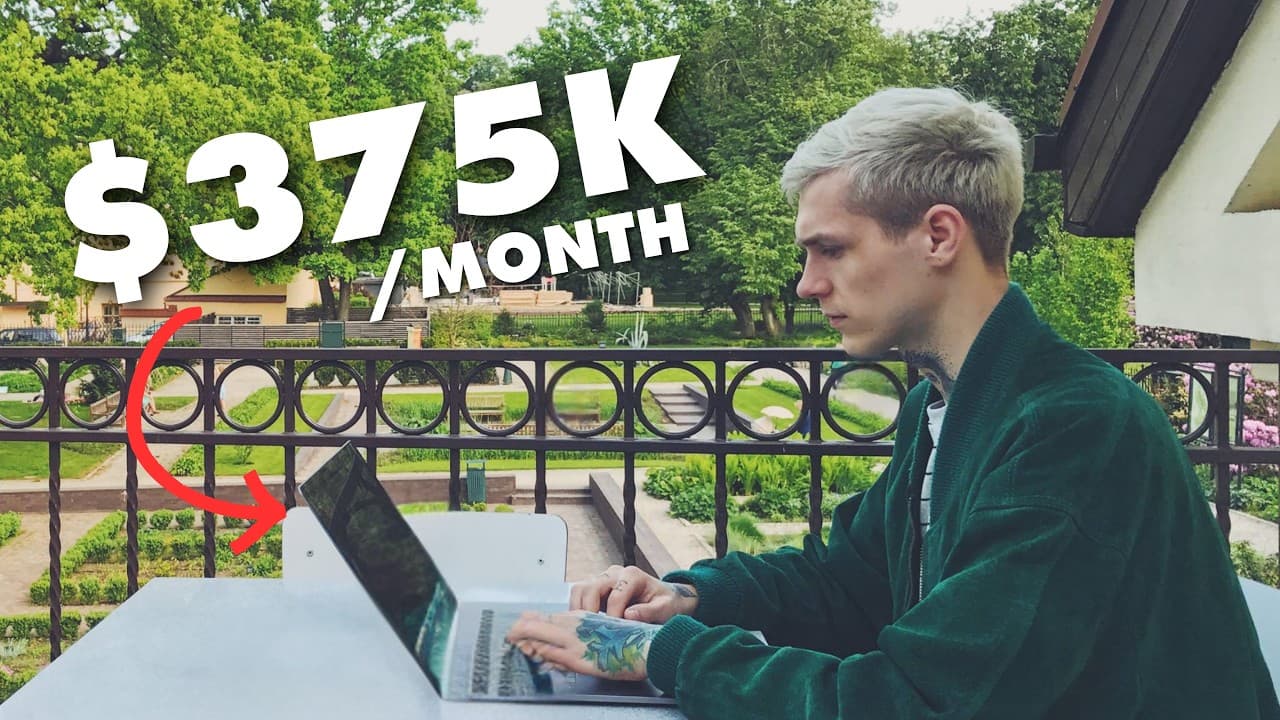
Shopify apps can grow without paid advertising by solving broadly shared merchant problems, manually recruiting initial users, offering the product free at launch, and earning strong reviews. Erikas says this marketplace-led approach helped his five-app business reach $4.5 million in annual recurring revenue, with growth supported by user feedback, app-store visibility, and products designed to increase merchants’ average order value.
Transcript
My Shopify app, Kaching Bundles, is currently making me $4.5 million a year, and we spend almost zero dollars on marketing. How does this guy make over $4 million a year without spending thousands of dollars on marketing? Well, the answer is something you probably wouldn't expect. All of our growth is coming either from or Eric started his journey ... Read More
Key Insights
- Erikas’s five Shopify apps generate $4.5 million in annual recurring revenue with 90% profitability, according to the interview. Kaching Bundles is the largest product, producing around $400,000 in monthly recurring revenue while helping Shopify merchants increase their average order value through discount and upsell features.
- Platform marketplaces provide built-in access to customers who already use the underlying product. Erikas grew without significant advertising because Shopify merchants actively search the app marketplace for solutions, although new applications must still overcome low initial rankings and a lack of reviews.
- The market opportunity exists between technically complex products from solo developers and polished but slower products from large, venture-backed companies. Erikas competes by combining strong user experience with faster product development, updates, and responses to missing features requested by merchants.
- A promising app idea is relatively easy to build, useful to a broad group of platform customers, and positioned in a category with low competition. Erikas wanted products that could be completed within a couple of months and used by almost any Shopify store.
- Early validation works by presenting a realistic product concept to relevant potential users before completing development. Erikas shared an unpublished app design in dropshipping Discord communities and e-commerce Facebook groups, receiving more than 100 likes and comments from people who thought the product was already available.
- Stronger validation comes from collecting email addresses, pre-orders, or payments before investing fully in development. Expressions of interest show that a problem attracts attention, while a payment commitment provides clearer evidence that prospective users consider the proposed solution valuable enough to purchase.
- A designer can build a software company by pairing complementary strengths with a technical co-founder. Erikas presented his Shopify experience, design ability, user-experience advantage, and access to existing Shopify clients in a local Facebook developer group to persuade a developer to join him.
- Initial app-store growth depends on manually securing installations and converting positive experiences into reviews. Erikas approached communities, clients, friends, and other Shopify users, offered the app free, collected feedback, and optimized customer support and product communication around earning five-star ratings.
Install to Summarize YouTube Videos and Get Transcripts
Explore YouTube Video Summarizer or Get YouTube Transcript Extractor
Questions & Answers
Q: How can a Shopify app grow without paid marketing?
A Shopify app can grow through the marketplace by solving a common merchant problem, manually recruiting its first users, and converting successful usage into positive reviews. Erikas contacted communities, existing clients, friends, and other Shopify users, then offered the new app free to encourage installations. More installations produced feedback and reviews, which supported stronger app-store visibility, further adoption, and revenue without significant advertising spending.
Q: How should founders choose a Shopify app idea?
Erikas evaluates ideas using three criteria: the app should be simple enough to build within a couple of months, relevant to a broad market, and positioned where competition is relatively low. Broad usefulness makes the product easier to offer to many Shopify merchants, while limited complexity reduces development time. Existing competitors can still be useful because their products reveal customer expectations, strengths, and user-experience weaknesses.
Q: How can an app idea be validated before development?
An app idea can be validated by showing a realistic design or landing page to people in communities where likely customers already gather. Erikas posted an image of an unpublished app in e-commerce Facebook groups and dropshipping Discord communities. One post received more than 100 likes and many download requests. Collecting email addresses is useful, while securing pre-orders or payments offers stronger evidence of purchase intent.
Q: Why are app marketplaces useful for new software businesses?
An app marketplace gives a new software business access to an existing population of platform users who are already looking for specialized solutions. This can reduce dependence on a large personal audience or paid advertising. Erikas used Shopify’s ecosystem to reach merchants seeking discount and upsell tools, but he still needed to recruit initial users manually because a new app starts near the bottom of marketplace listings.
Q: How did Erikas compete with established Shopify apps?
Erikas identified a gap between two competitor groups. Apps from solo developers and indie hackers were often technical and difficult for regular users, while products from large or venture-backed companies offered better experiences but could take months or even a year to release missing features. His approach was to combine polished design and simpler usability with the ability to move faster when merchants needed improvements.
Q: How did Erikas find a technical co-founder?
Erikas treated co-founder recruitment similarly to sales. He posted a detailed message in a local Facebook group for developers and explained why the business had a credible chance of succeeding. His pitch emphasized Shopify experience, years of design work, the ability to create a better user experience, and relationships with existing Shopify clients who could become early customers. This combination helped him find a complementary technical partner.
Q: Why did Erikas make his Shopify app free at launch?
Making the app free reduced the barrier for early Shopify merchants to install and test an unknown product. Erikas needed initial users because a new application begins with no customers, reviews, or marketplace position. Free access helped produce more installations, practical feedback, and opportunities for positive reviews. Those signals could improve the product and support later marketplace visibility, adoption, and revenue growth.
Q: What results did Erikas report from his Shopify apps?
Erikas reported operating five Shopify apps at $4.5 million in annual recurring revenue with 90% profitability. Kaching Bundles had reached around $400,000 in monthly recurring revenue. The portfolio also included post-purchase, pop-up, and cart drawer upsell products. Since launching in August 2022, he said the apps had generated more than $400 million in additional revenue for merchants using them.
Summary & Key Takeaways
-
Erikas moved from a web design job paying $2 per hour into freelancing and product development. After discovering Shopify’s partner ecosystem, he recognized that independent developers could build valuable businesses there. His design experience helped him identify an opportunity to make technically capable apps simpler and more approachable for regular Shopify merchants.
-
His idea-selection framework requires a product that can be built within a couple of months, serves a broad market, and faces relatively low competition. Before development, he validates demand by sharing designs in relevant communities. One app concept received more than 100 likes and comments from people asking where they could download it.
-
The launch strategy begins with manually recruiting Shopify users from communities, existing clients, and personal contacts. Making a new app free encourages installations, feedback, and reviews, which can improve its marketplace position. Erikas then uses customer support, in-product review requests, and monthly performance emails to encourage five-star ratings and continued product improvement.
Read in Other Languages (beta)
Share This Summary 📚
Summarize YouTube Videos and Get Video Transcripts with 1-Click
Try YouTube Summary with ChatGPT & Claude or YouTube Transcript Generator
Explore More Summaries from Starter Story 📚



Summarize YouTube Videos and Get Video Transcripts with 1-Click
Try YouTube Summary with ChatGPT & Claude or YouTube Transcript Generator