How to build an AI app with Cursor for a big launch
TL;DR
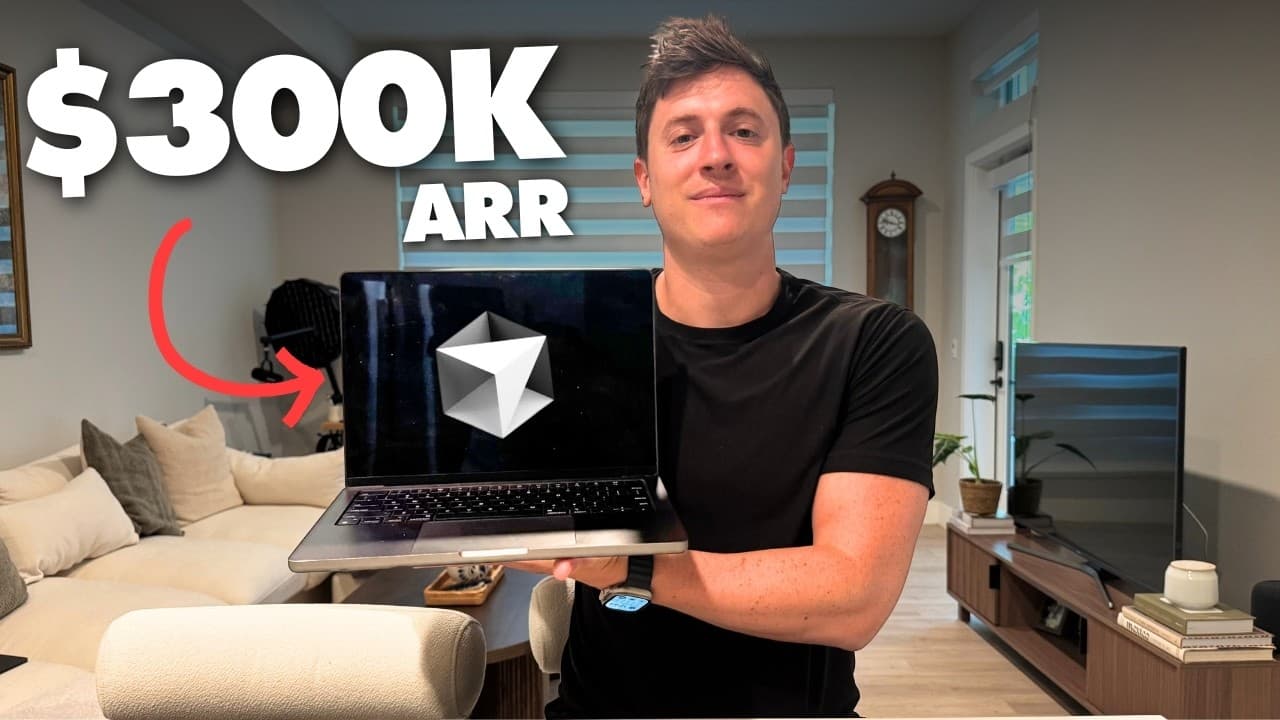
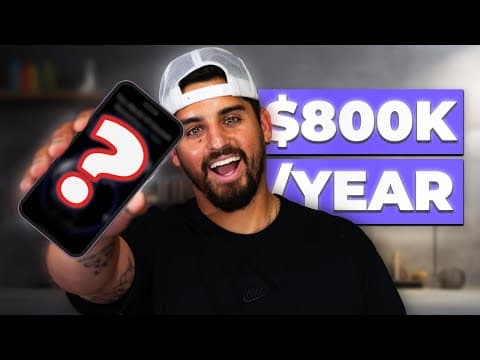
Alex Finn built Creator Buddy entirely with AI and Cursor, launching to rapid ARR growth. He beta tested with 150 users, launched publicly, and reached $100K ARR in 15 minutes and $300K ARR within two weeks. The process emphasizes breaking work into micro steps, customer feedback, and leveraging an audience built through content creation.
Transcript
i used AI to build an app that's now making $300,000 and I didn't write a single line of code ai coding has changed the game forever and this guy is proof alex Finn built and launched his app in just 3 months using Cursor every line of code was written with AI all the marketing was done with AI today I brought him on to the channel to share his ent... Read More
Key Insights
- Creator Buddy is an AI content app that analyzes tweets to coach users on content creation.
- The key to fast AI product builds is breaking tasks into the smallest building blocks possible.
- Cursor can enable enterprise level software development by a solo founder with the right approach.
- Beta testing with a substantial group (150) provided critical feedback before launch.
- An audience built over years of content creation accelerates product adoption and revenue.
- A successful launch requires rapid feedback loops and readiness to fix issues in real time.
- The tech stack included Cursor, Windsurf, Nex.js, and Supabase to keep costs low.
- The founder emphasizes solving personal challenges to identify viable product ideas.
- More videos from this channel:
- More from this channel: Starter Story
Install to Summarize YouTube Videos and Get Transcripts
Explore YouTube Video Summarizer or Get YouTube Transcript Extractor
Questions & Answers
Q: How to identify a profitable AI app idea for Cursor building
Identify a personal workflow bottleneck that you experience regularly and would save you time or reduce effort. Validate by sharing a beta version with a small audience and collecting feedback on what works, what doesn’t, and what features users request. Iterate quickly to a minimum viable product that delivers clear value.
Q: What is the first step to building with Cursor
Begin by breaking the feature into micro steps. Start with a simple input or function and then progressively add capabilities. This minimizes bugs and clarifies how each AI prompt should be structured. Use external prompts to guide the AI model through each incremental task.
Q: How did beta testing contribute to the launch success
Beta testing with about 150 users allowed you to observe real usage patterns, identify bottlenecks, and confirm which features drive value. It creates a feedback-rich environment where you can address issues before going wide, reducing post-launch chaos and ensuring a smoother user experience.
Q: What role did audience play in the revenue surge
An established audience accelerates trust and word of mouth, helping early adopters jump on a new product. Consistently creating content for years builds credibility and a core community that is primed to buy when a product solves a real problem, leading to faster revenue realization at launch.
Q: What is the recommended approach to feature development
Focus on breaking features into micro steps and validate each step with the AI. Build the MVP by validating core functionality first and plan iterative improvements. This approach helps manage complexity, reduces debugging time, and ensures that each added capability meaningfully advances the product.
Q: What tech stack did the founder use for cost efficiency
The stack included Cursor for building the app, Windsurf for tooling, Nex.js as the framework, and Supabase for data. They also used a lightweight hosting and management setup with a monthly cost of about $20 for certain services, enabling rapid development with low burn.
Q: How can someone replicate a fast launch using this approach
Start with a clear personal challenge you want to solve. Build a minimal viable product using micro-step prompts in Cursor, test with a beta audience, and iterate based on feedback. Maintain visibility with consistent content creation to grow an audience that can convert to paying users at launch.
Q: What mindset is necessary for solo founders using AI tools
Adopt a pragmatic, iterative mindset focused on breaking problems into small tasks. Be prepared to learn continuously, fix issues in real time, and rely on community feedback. Build what you can maintain and scale, rather than chasing perfection before release.
Summary & Key Takeaways
-
Creator Buddy was designed to automate content coaching by reading user tweets with an AI model, built without traditional coding.
-
The founder used Cursor and a structured micro-step approach to decompose features, which accelerated development and reduced bugs.
-
A strong audience on X and content experience enabled a fast, high-visibility launch and rapid revenue growth.
Read in Other Languages (beta)
Share This Summary 📚
Summarize YouTube Videos and Get Video Transcripts with 1-Click
Try YouTube Summary with ChatGPT & Claude or YouTube Transcript Generator
Explore More Summaries from Starter Story 📚


Summarize YouTube Videos and Get Video Transcripts with 1-Click
Try YouTube Summary with ChatGPT & Claude or YouTube Transcript Generator