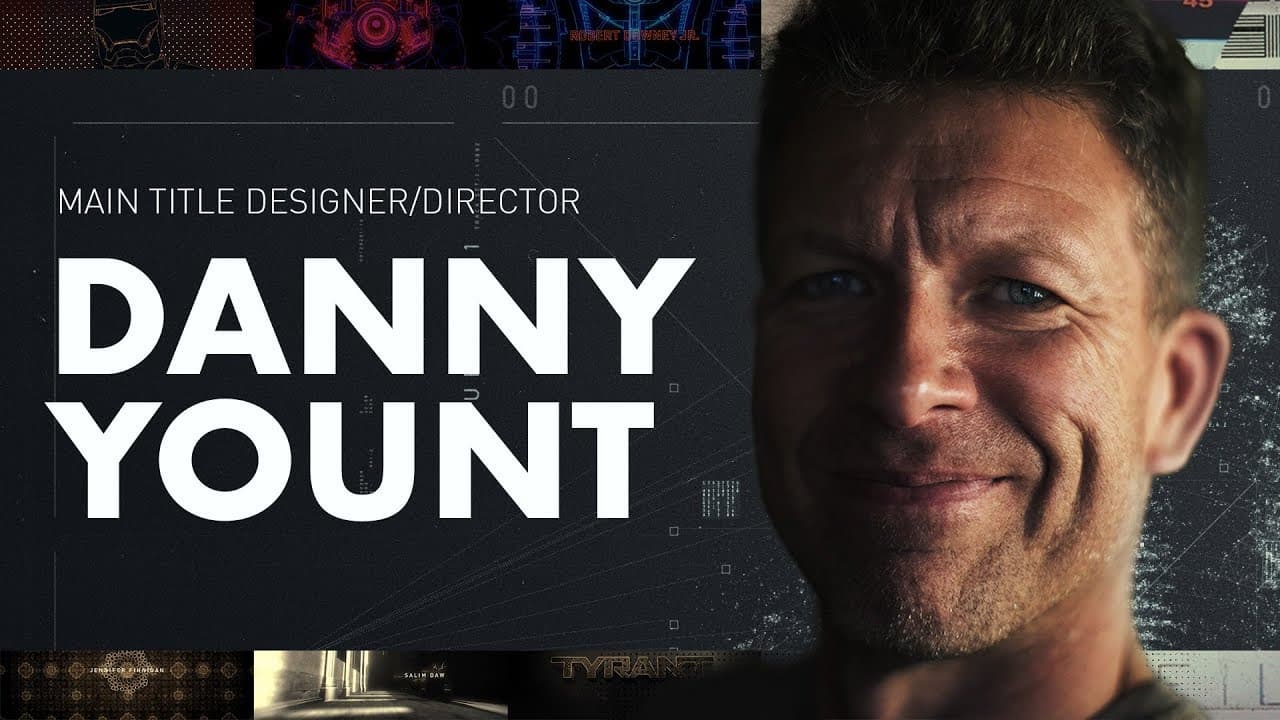
How did Danny Yount become a main title designer?
TL;DR
Danny Yount grew into a title designer by embracing art after a rough early life, learning computer graphics on a first color Mac, and teaching himself through HyperCard and Macromedia Director. He pursued design professionally, starting with small local work and eventually joining Digital Kitchen and Prologue Films, where he earned major Emmy and film credits.
Transcript
when the computer revolution started to occur yeah something in me just lit up and I'm like I don't care if I suck at this like it just turns me on so much that I could put this into this machine and it gives me something that's amazing you guys please help me welcome Danny Danny welcome to the show and thank you so much for agreeing to do this you... Read More
Key Insights
- Art saved him from a bleak outlook by giving him purpose and a path forward.
- The first color Mac and learning the software ecosystem were pivotal to his career shift into design.
- Self taught discipline, not formal training, fueled his ability to build a standout portfolio.
- HyperCard and Macromedia Director introduced him to digital animation and multimedia storytelling.
- He used a self made reel to bypass traditional portfolios and gain entry to studios.
- Temporary jobs and relentless experimentation prepared him for a creative leadership role.
- Mentors and early supportive bosses helped him navigate tough breaks and stay motivated.
- His work at Digital Kitchen and Prologue Films earned Emmys and opened doors to Blade Runner 2049 and Star Wars ties.
- More videos from this channel:
- More from this channel: The Futur
Install to Summarize YouTube Videos and Get Transcripts
Explore YouTube Video Summarizer or Get YouTube Transcript Extractor
Questions & Answers
Q: How did Danny describe his early life in the Bay Area and its influence on his career
Danny grew up in a blue collar neighborhood in the Bay Area and faced an absent father figure which created an ache for purpose. He tried many jobs while keeping a side interest in drawing. This background fostered resilience and a drive to find a creative path as a form of personal meaning rather than a traditional paycheck driven life.
Q: What event pushed Danny toward graphic design and computers
Danny felt drawn to the potential of computers during the rise of personal computing and Apple. He saved up with his mother to buy a color Mac, learned it thoroughly, and explored digital tools like HyperCard which sparked his interest in multimedia and graphic design as a viable career path rather than generic labor.
Q: How did Danny learn to stand out despite a non traditional background
He recognized that many candidates would have formal design training, so he built a multimedia reel using Macromedia Director and learned lingo to demonstrate technical skill. This self directed portfolio approach helped him stand out to a studio owner and secure his first design job despite not having classic credentials.
Q: What role did early tech tools play in his development
The color Mac, HyperCard, and later Macromedia Director were instrumental. HyperCard allowed him to prototype multimedia ideas quickly, while Director let him create interactive animations. Learning these tools enabled him to demonstrate capability beyond traditional hand drawn work and gave him a unique edge in portfolios.
Q: How did family and mentors impact his career path
A supportive boss at his first job and the effort by his mother to co sign a loan for a Mac opened doors. Mentors and patient colleagues helped him navigate rough starts and channel his energy toward structured learning, turning instability into a pathway toward design and eventual main title work.
Q: What was his first major shift into title design and films
Earning an Emmy for Six Feet Under main titles while at Digital Kitchen marked a turning point. His move to Prologue Films led to high profile projects such as Iron Man, Sherlock Holmes, and Kiss Kiss Bang Bang, culminating in key titles and studio logos for Blade Runner 2049 and Solo, which defined his career.
Q: How did his work philosophy emerge through challenges
Danny emphasizes perseverance and learning through doing. He pursued digital experimentation, built a reel that spoke to studios rather than relying on conventional portfolios, and stayed curious about technology. This approach created a sustainable career in title design where artistry and technical craft intersect.
Q: What is the overarching takeaway from his origin story
The core lesson is that passion and persistence can overcome early hardship. By embracing new tools, teaching himself, and seeking practical opportunities, he transformed from a reluctant artist into a leading title designer whose work shapes major films and contributes to the visual language of contemporary cinema.
Summary & Key Takeaways
-
Danny Yount recounts a tough Bay Area upbringing, a father figure absence, and early jobs that taught resilience before discovering visual art as his calling.
-
He learns design by teaching himself on a Mac, exploring HyperCard and Director to build a portfolio that could break through traditional design paths.
-
He advances from entry level work to high profile projects at Digital Kitchen and Prologue Films, ultimately shaping Blade Runner 2049 and other major titles.
Read in Other Languages (beta)
Share This Summary 📚
Summarize YouTube Videos and Get Video Transcripts with 1-Click
Try YouTube Summary with ChatGPT & Claude or YouTube Transcript Generator
Explore More Summaries from The Futur 📚



Summarize YouTube Videos and Get Video Transcripts with 1-Click
Try YouTube Summary with ChatGPT & Claude or YouTube Transcript Generator