What Can We Learn from Dostoevsky's Life Philosophy?
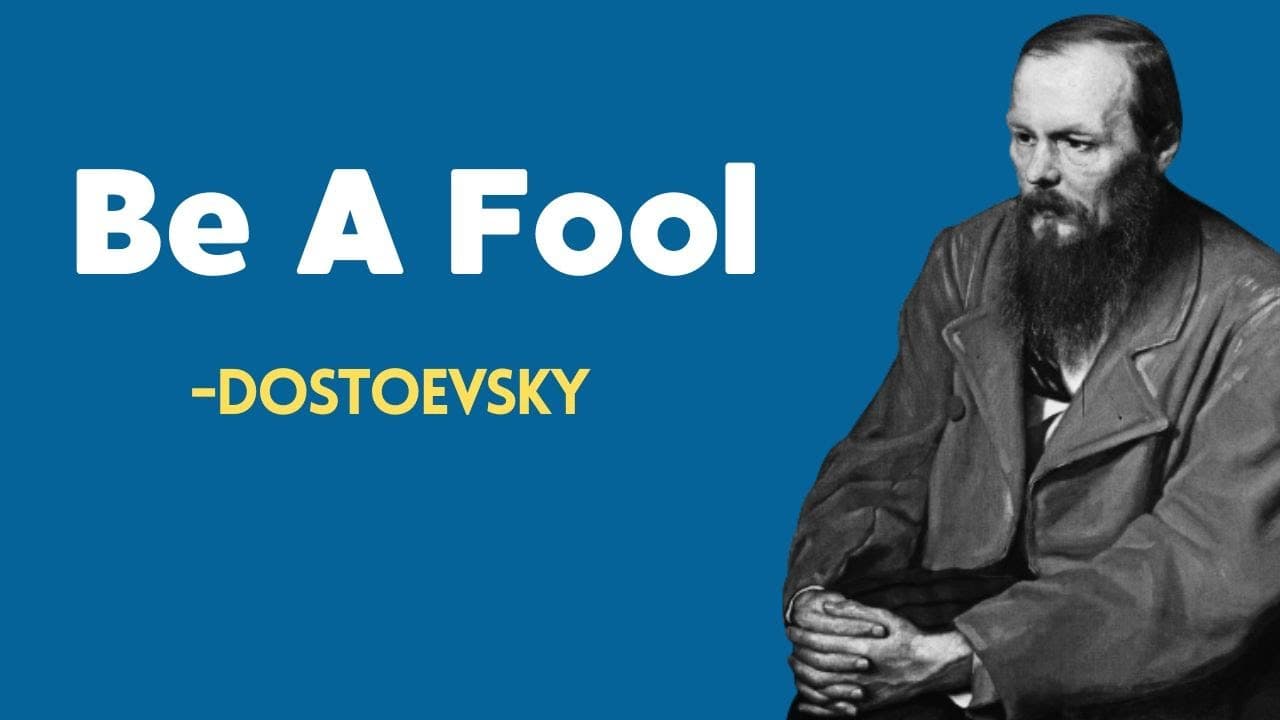
TL;DR
Dostoevsky's philosophy teaches that self-knowledge is vital for personal growth and avoiding harm. He emphasizes the inevitability of suffering, the complexity of human nature with both good and evil, and the importance of individual responsibility for finding meaning in life. Understanding these lessons can help us navigate our own existential struggles and foster empathy towards others.
Transcript
Fyodor Dostoevsky was 25 when he published his first novel, Poor Folk in 1846. Three years later, he was sentenced to death in 1849 when he was only 28 years old. A last minute reprieve from the Tsar himself saved his life, but he spent 10 years in Siberia, most of it doing hard labour. He published Crime and Punishment in 1866 when he was... Read More
Key Insights
- ❓ Dostoevsky's novels explore the depths of human suffering and provide insights into various philosophical and psychological topics.
- 🤳 Self-knowledge is crucial for avoiding potential harm to oneself and others.
- 🥺 The pursuit of success and dreams can lead to dissatisfaction, and happiness should not be solely dependent on external achievements.
- 🛟 Suffering is an inevitable part of life and can be necessary for personal growth and appreciation of happiness.
- 🖐️ Rationality alone cannot solve all human problems, and emotions play a significant role in determining happiness.
- 🥺 Overthinking and excessive self-consciousness can lead to anxiety and mental health issues.
- 😈 Humans have both good and evil within them, and it's important to recognize the complexity of individuals.
- 🥡 Taking responsibility for one's actions is crucial for finding meaning in life and contributing to a better society.
Install to Summarize YouTube Videos and Get Transcripts
Explore YouTube Video Summarizer or Get YouTube Transcript Extractor
Questions & Answers
Q: How did Dostoevsky's personal experiences influence his writing?
Dostoevsky's time in Siberia and struggles with addiction gave him a deeper understanding of human suffering, which is reflected in his novels.
Q: What can we learn from Dostoevsky about self-knowledge?
Dostoevsky emphasizes the importance of self-knowledge, as seen in characters like Raskolnikov, who is plagued by inner contradictions and lacks understanding of himself.
Q: How does Dostoevsky challenge the pursuit of success and dreams?
While society often values wealth, fame, and power, Dostoevsky warns that achieving these goals may not lead to happiness and can result in even more suffering.
Q: What is the role of suffering in Dostoevsky's philosophy?
According to Dostoevsky, suffering is inevitable and necessary for personal growth. It is through suffering that we can appreciate happiness and find meaning in life.
Q: How does Dostoevsky view rationality and reason?
Dostoevsky questions the belief that reason alone can solve all human problems. He argues that humans are irrational and that emotions play a significant role in determining happiness.
Q: What does Dostoevsky mean by "consciousness is a disease"?
Dostoevsky suggests that excessive self-consciousness and overthinking can lead to anxiety, depression, and even insanity. He encourages living life without constantly pondering its meaning.
Q: How does Dostoevsky challenge the notion of good and evil?
Dostoevsky believes that humans are both good and evil, and it is essential to recognize the complexity of individuals rather than labeling them as purely one or the other.
Q: Why does Dostoevsky emphasize individual responsibility?
Dostoevsky argues that taking responsibility for our actions gives our lives meaning and allows us to find our own path. He challenges individuals to avoid blaming others and to look inward first.
Summary & Key Takeaways
-
Fyodor Dostoevsky's life was filled with hardships, from his time in Siberia to his gambling addiction, which influenced his writing.
-
Dostoevsky's novels explore profound philosophical and psychological topics, delving into the human psyche and existential suffering.
-
Lessons from Dostoevsky include the importance of self-knowledge, the dangers of dreaming too big, the necessity of suffering, the limitations of rationality, the need to embrace foolishness, the complexity of good and evil, the significance of individual responsibility, and the importance of seeing beauty in others.
Read in Other Languages (beta)
Share This Summary 📚
Summarize YouTube Videos and Get Video Transcripts with 1-Click
Try YouTube Summary with ChatGPT & Claude or YouTube Transcript Generator
Explore More Summaries from Fiction Beast 📚





Summarize YouTube Videos and Get Video Transcripts with 1-Click
Try YouTube Summary with ChatGPT & Claude or YouTube Transcript Generator