What Are the Key Lessons from Franz Kafka's Life and Work?
TL;DR
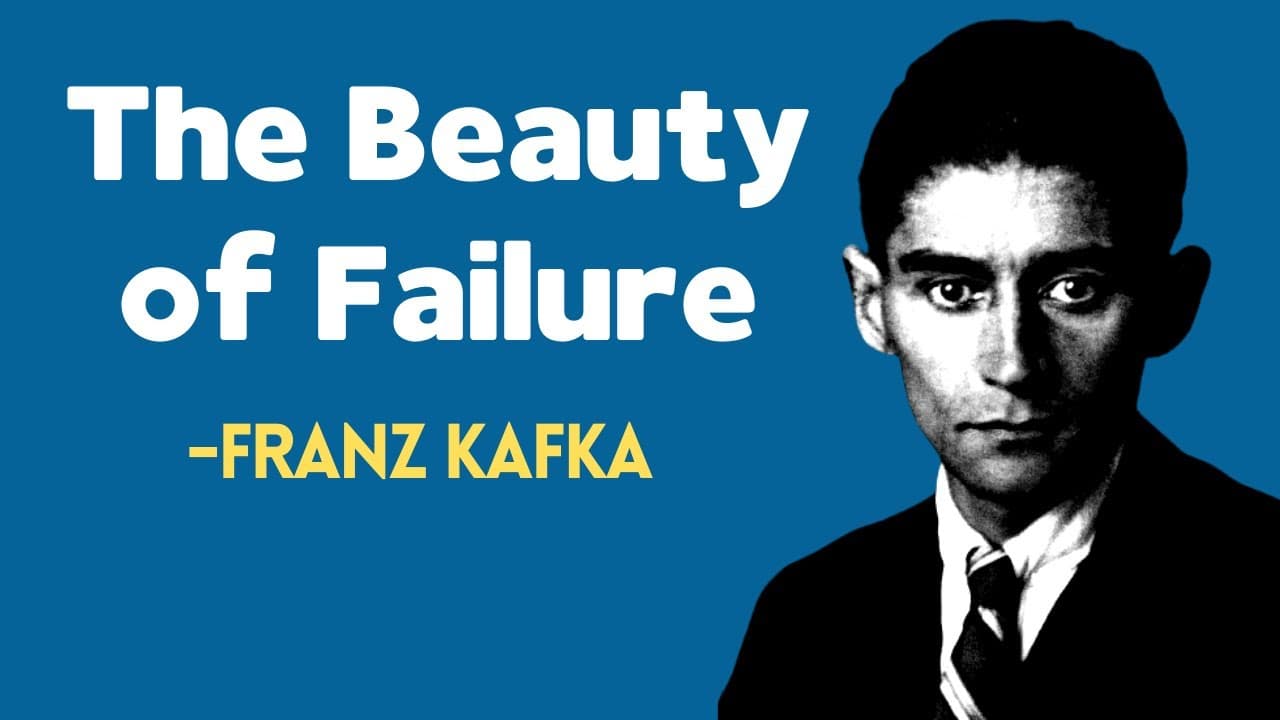
Franz Kafka's life and writings reveal that failure can be beautiful and that life is often absurd, full of interruptions and ironies. His characters grapple with isolation and oppressive authority, reflecting his own experiences. The key lessons from Kafka encourage embracing failure, understanding the absurdity of existence, and utilizing storytelling as a means of expression and connection.
Transcript
“I am free and that is why I am lost.” Hey everyone, In this video, I will talk about one the most influential fiction writers of the 20th century. Franz Kafka’s name alone has become a literary style called Kafkaesque. He wrote about human nightmares, a state of paralysis when your legs and arms fail you. Kafka’s is a story of failure. A... Read More
Key Insights
- 📚 Franz Kafka's writing is considered Kafkaesque, highlighting themes of human nightmares and paralysis in the face of oppressive authority figures.
- 🖋️ Kafka's own life was marked by failure, with unsuccessful relationships and a career that hindered his writing.
- 🗣️ Kafka's protagonists often struggle against illogical and unjust authority figures, reflecting his own disdain for his father and experiences with the legal system.
- 🌍 Kafka's works reflect the shifting social and political landscape of his time, including the collapse of the Austro-Hungarian Empire and the birth of Czechoslovakia.
- 🕯️ Kafka's writing was his escape and moment of freedom from his stressful job, highlighting the importance of finding moments of freedom and creativity in our own lives.
- 🔥 Kafka left behind a considerable body of work, including three novels and many short stories, which were published posthumously against his wishes.
- 🖌️ Kafka's writing has influenced many other authors, such as Kazuo Ishiguro and Haruki Murakami, and continues to be studied and revered for its dark, dreamlike qualities.
- 💡 Key lessons from Kafka's work include finding beauty in failure, persevering in the face of obstacles, and accepting the absurdities and ironies of life.
Install to Summarize YouTube Videos and Get Transcripts
Explore YouTube Video Summarizer or Get YouTube Transcript Extractor
Questions & Answers
Q: How does Franz Kafka's personal life and experiences influence the themes in his writing?
Franz Kafka's personal life, including his difficult relationship with his father and his struggles with physical and mental health, greatly influenced the themes of failure, isolation, and absurdity present in his writing. His own feelings of alienation and frustration found their way into his characters and their experiences.
Q: Why did Kafka choose to leave many of his novels unfinished?
Kafka's tendency to leave his novels unfinished can be attributed to his relentless pursuit of perfection and his dissatisfaction with his own work. He believed in the power of precision and honing his craft, constantly striving to improve his writing.
Q: How does Kafka explore the theme of absurdity in his works?
Kafka portrays the absurdities of modern life by depicting characters lost in illogical or irrational situations that lack clear meaning or purpose. He challenges the notion that life has inherent meaning or an absolute truth, encouraging readers to accept and even find humor in life's absurdities.
Q: How does Kafka's portrayal of failure in his works differ from conventional views of failure?
Kafka presents failure as a beautiful and meaningful part of life, emphasizing that failure can lead to growth, resilience, and even unexpected beauty. He suggests that failure is not always negative and that there can be value in accepting and embracing it.
Q: What lessons can readers learn from Franz Kafka's works?
Kafka's works teach valuable lessons, including the beauty that can be found in failure, the acceptance of life's absurdities, the understanding that we are ultimately alone in our journeys, the importance of storytelling as a means of expression and escape, and the persistence to keep fighting against oppressive forces.
Summary & Key Takeaways
-
Franz Kafka, a Czech author born into a German-speaking Jewish family, wrote about human nightmares and the state of paralysis in his influential works.
-
Despite working a full-time job, Kafka dedicated his free time to writing, finding solace and escape in the act of storytelling.
-
Kafka's novels, including "Amerika," "The Trial," and "The Castle," as well as his short stories like "The Metamorphosis" and "The Hunger Artist," explore themes of failure, absurdity, alienation, and the power of storytelling.
Read in Other Languages (beta)
Share This Summary 📚
Summarize YouTube Videos and Get Video Transcripts with 1-Click
Try YouTube Summary with ChatGPT & Claude or YouTube Transcript Generator
Explore More Summaries from Fiction Beast 📚



Summarize YouTube Videos and Get Video Transcripts with 1-Click
Try YouTube Summary with ChatGPT & Claude or YouTube Transcript Generator