What Is Albert Camus's Philosophy on Life and Absurdity?
TL;DR
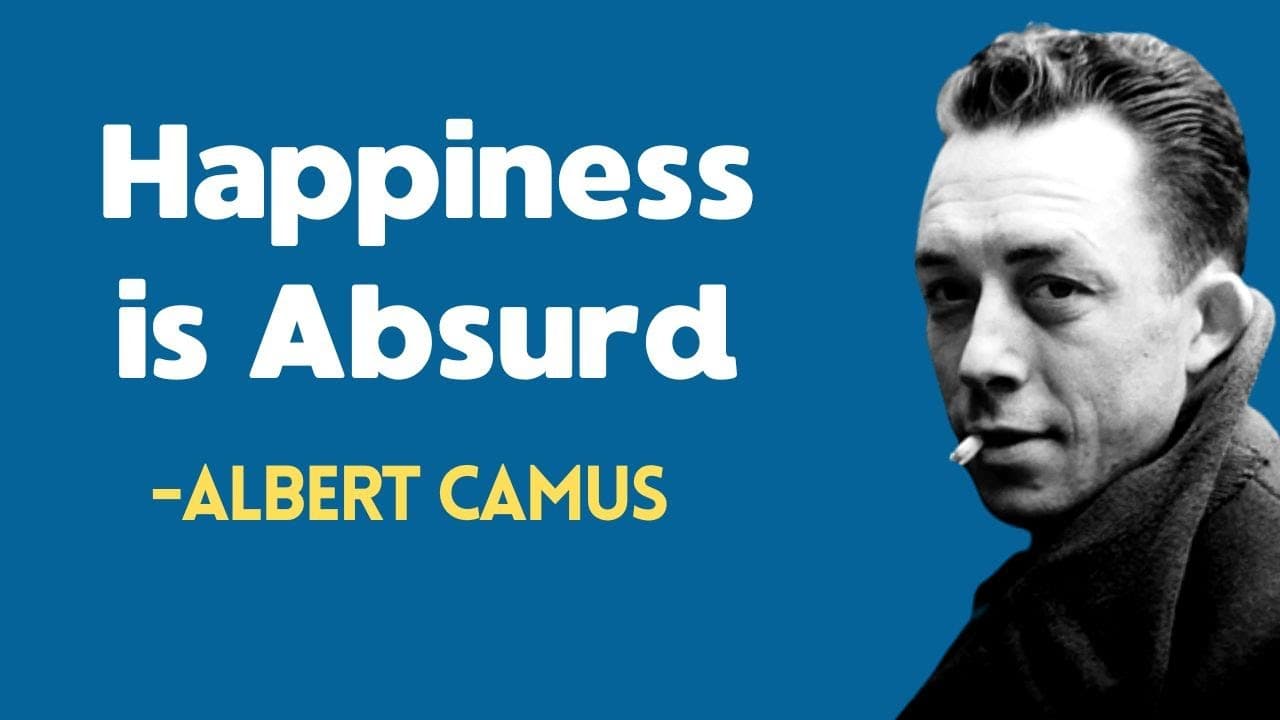
Albert Camus's philosophy centers on the belief that life is inherently absurd and meaningless. However, he argues that individuals can find purpose by embracing the struggles and contradictions of existence. Happiness arises from the acceptance of absurdity and the rebellion against injustice, allowing people to live fully and authentically despite life's inherent challenges.
Transcript
If you believe in religion or a divine power, you may have a clear path between life and afterlife. You may have a neat little story that explains life’s ultimate meaning and purpose. But, what if you don’t believe in god? What’s your story as an atheist? How do you find meaning? One of the biggest human dilemmas is our deep urge or quest for mean... Read More
Key Insights
- 🛟 Life's inherent meaninglessness does not negate the potential for personal fulfillment.
- 🥺 Accepting and embracing life's absurdities can lead to a sense of purpose and contentment.
- ❓ Rebellion against injustice and inequality is integral to finding personal meaning.
- 😌 Personal fulfillment lies in the struggle and acceptance of life's contradictions and hardships.
- 😑 Camus's philosophy emphasizes the value of individual choice and creative expression in the search for meaning.
- 🛟 Life's struggles provide opportunities for personal growth and the development of resilience.
- 🧑🏭 The pursuit of a meaningful existence does not rely on external factors but emerges from within oneself.
- ✋ The belief in a higher power or afterlife is not necessary to find meaning and purpose in life.
- 🎙️ More videos with Albert Camus:
Install to Summarize YouTube Videos and Get Transcripts
Explore YouTube Video Summarizer or Get YouTube Transcript Extractor
Questions & Answers
Q: How did Albert Camus find meaning in life despite believing in the absurdity of existence?
Camus argued that the struggle and acceptance of life's absurdity itself can provide a sense of purpose and fulfillment. By embracing the contradictions and hardships, one can find happiness in the journey rather than seeking external meanings.
Q: Did Albert Camus believe in the existence of a higher power or afterlife?
No, Camus was an atheist and rejected religious beliefs. He believed that the search for meaning should focus on this life rather than relying on the notion of an afterlife.
Q: What is the significance of Albert Camus's philosophy of rebellion?
Camus saw rebellion as crucial in the face of injustice and repression. He believed that actively fighting against inequality and striving for social justice were integral to finding personal meaning and purpose in life.
Q: How did Albert Camus reconcile Marxism with his individualistic philosophy?
While initially drawn to Marxism, Camus later rejected the idea of a violent revolution and advocated for reform and individual rebellion against unjust systems. He believed that creativity and solidarity were key in the pursuit of a just and meaningful existence.
Key Insights:
- Life's inherent meaninglessness does not negate the potential for personal fulfillment.
- Accepting and embracing life's absurdities can lead to a sense of purpose and contentment.
- Rebellion against injustice and inequality is integral to finding personal meaning.
- Personal fulfillment lies in the struggle and acceptance of life's contradictions and hardships.
- Camus's philosophy emphasizes the value of individual choice and creative expression in the search for meaning.
- Life's struggles provide opportunities for personal growth and the development of resilience.
- The pursuit of a meaningful existence does not rely on external factors but emerges from within oneself.
- The belief in a higher power or afterlife is not necessary to find meaning and purpose in life.
- Camus's works challenge traditional religious and philosophical beliefs, offering a unique perspective on the human condition.
Summary & Key Takeaways
-
Albert Camus was a French philosopher and novelist who challenged traditional notions of meaning and purpose in life.
-
He rejected religious beliefs and explored themes of nihilism and absurdity in his works.
-
Camus believed that life is inherently meaningless and contradictory, yet humans find joy in its struggles and contradictions.
Read in Other Languages (beta)
Share This Summary 📚
Summarize YouTube Videos and Get Video Transcripts with 1-Click
Try YouTube Summary with ChatGPT & Claude or YouTube Transcript Generator
Explore More Summaries from Fiction Beast 📚



Summarize YouTube Videos and Get Video Transcripts with 1-Click
Try YouTube Summary with ChatGPT & Claude or YouTube Transcript Generator