How to Start Yoga at Home: 20-Minute Beginner Flow
TL;DR
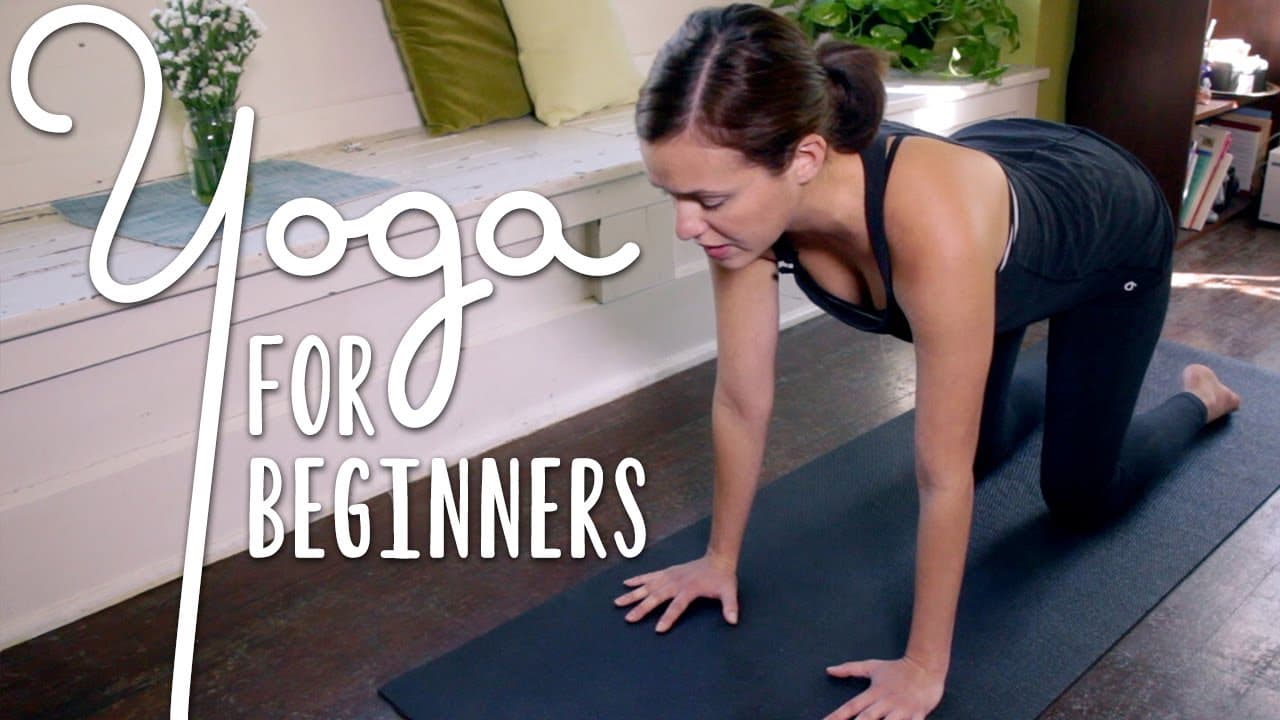
All you need to start yoga is your body and an open mind: no blocks, no blankets, and a mat only if you have one. The beginner sequence opens seated in Sukhasana with shoulder loops, neck checks, and gentle twists, then moves to tabletop for cat-cow, calf stretches, and heart-to-earth pose. The guiding principle is finding balance between an active body and a sense of ease.
Transcript
Hey everyone. Welcome to Yoga with Adriene. I am Adriene, and I am super-excited because today we have a sequence for the complete beginner. If you're new to yoga or you've been curious about yoga practice and all its wonderful beautiful benefits, this is a great sequence for you. You don't need any blocks, you don't need any blankets; all you need... Read More
Key Insights
- No equipment is required to begin this practice. Adriene states that blocks and blankets are unnecessary and that all a beginner needs is their body and an open mind, with a mat being helpful but optional rather than a prerequisite for starting.
- Sukhasana, the cross-legged seated position, is called the easy pose or the pose of ease. It serves as the starting point where practitioners check in with the breath through shoulder loops and gentle neck movements before any stronger postures begin.
- The core alignment cue throughout the sequence is head over heart, heart over pelvis. This stacking is maintained even after the center of gravity shifts, so the same principle applies in seated position and in tabletop, where it creates a level tabletop line.
- Anjali Mudra, the prayer position with palms together at the heart, doubles as a built-in reminder. Each time the hands return there, the practitioner loops the shoulders and lifts the sternum to the thumbs, which counteracts the slump that comes with fatigue during practice.
- Yoga in this framing is about finding a balance between an active body with strength and engaging qualities, and a softness, ease, lightness, or calmness. Adriene describes finding the place where those two qualities can dance together as what the practice is all about.
- Depth in a twist should never be traded for length in the spine. Adriene demonstrates from the side that rounding forward to twist further is wrong, and instructs practitioners to lengthen the tailbone down, lift the heart, and ground the shoulder blades instead.
- Hasta Bandha is the hand-to-earth connection, an upward current of energy created by pressing up and out of the palms. It prevents collapsing into the bones in tabletop and builds strength in the arms and the energetic body over time.
- Cat-cow, also called spinal flex, follows a specific sequencing on the exhale. The movement starts at the tailbone and travels up the spine, with the crown of the head being the last thing to release, rather than moving the whole spine at once.
Install to Summarize YouTube Videos and Get Transcripts
Explore YouTube Video Summarizer or Get YouTube Transcript Extractor
Questions & Answers
Q: What do I need to start yoga as a complete beginner?
Nothing beyond your body and an open mind. Adriene explicitly says you do not need any blocks and you do not need any blankets for this sequence. A mat is described as great if you have one, but it is not required, and the alternative she offers is simply an open mind and an open heart. This makes the practice accessible without buying equipment first, which removes the most common barrier to starting a home yoga practice.
Q: What is Sukhasana and why does the practice start there?
Sukhasana is the cross-legged seated position, also called the easy pose or the pose of ease. The sequence begins there because it is a place to check in before moving. From Sukhasana the practitioner loops the shoulders forward, up, and back, moves one ear over one shoulder to check the neck, brings the chest forward while shaking the head yes and no, and then returns to center to find alignment with head over heart and heart over pelvis. It is also where the breath work begins with long inhales and long, extended exhales.
Q: How should I align my body in a seated yoga pose?
Stack head over heart and heart over pelvis. From that stack, lift the sternum and lift the chest, then ground down through the elbows on the exhale, and find a nice space between the ears and the shoulders. Adriene describes this as coming into the moment with integrity, which for her means body awareness and mind awareness, noticing where the thoughts are and returning to the body. The eyes can close or the gaze can soften to help turn the attention inward while the alignment is found.
Q: What is Anjali Mudra and how do I use it during practice?
Anjali Mudra is the position where the palms are drawn together at the heart, also described as the prayer position. Adriene presents it as a beginner tip: every time the hands come to this mudra, think about lifting the sternum or heart up to the thumbs. Because practice makes you tired, and she says it will, this recurring hand position acts as a reminder to loop the shoulders and lift the sternum again. It pairs with drawing the lower belly or navel in to meet the spine, creating an active body with a sense of ease.
Q: Why should I not twist deeper in a seated yoga twist?
Because depth should not come at the cost of the spine. Adriene turns to the side specifically so viewers can see her spine, and notes that the tendency is to round forward since people spend a lot of time in that shape. Her instruction is to lengthen the tailbone down so the lower back becomes long, lift the heart, ground the shoulder blades down, and only then find the twist. She calls rounding forward for a deeper twist wrong, and says it may mean not going all the way back at first. The exhale is used to journey a little deeper, even if only energetically.
Q: How do I set up a tabletop position correctly?
Align the wrists directly underneath the shoulders and the knees directly underneath the hip points. Press into the tops of the feet with the toes pointing straight back, and spread the palms super wide, which Adriene compares to starfish. Draw the shoulders away from the ears and remember that the neck is an extension of the spine, so take the gaze down and keep the neck long rather than hanging or crunching. The same head, heart, and pelvis alignment from seated still applies, even though the center of gravity has moved.
Q: What is Hasta Bandha and why does it matter for beginners?
Hasta Bandha is named in the video as the hand-to-earth connection, an upward current of energy. Practically, it means not collapsing into the bones but pressing up and out of the earth through the palms, connecting to every part of the foundation that touches the mat. Adriene points out that beginners may feel pressure in the arms and wrists in tabletop, and the answer is to keep pressing up and out of the palms so the practice builds strength over time rather than dumping body weight into the joints.
Q: What is Anahatasana or heart-to-earth pose and how is it done?
Anahatasana, called heart-to-earth pose, is reached from tabletop by curling the toes under, walking the palms out, and then walking the knees back. The elbows drop in line with the shoulders and in line with the wrists, the pelvis tilts up toward the sky, the forehead may come to the mat, and the heart melts down toward the knees. Adriene describes it as a puppy posture or half downward dog. If the shoulders feel it strongly, she suggests pulsing in and out of it a few times and swaying side to side, while keeping the elbows from splaying outward.
Summary & Key Takeaways
-
The practice begins in Sukhasana, the cross-legged easy pose, where the shoulders loop forward, up, and back while the neck moves ear to shoulder and the head shakes yes and no. Alignment is set by stacking head over heart and heart over pelvis, softening the gaze, and deepening the breath into long inhales and long, extended exhales.
-
Seated work continues with Anjali Mudra at the heart, where the sternum lifts to the thumbs and the navel draws in to meet the spine. Interlaced fingertips press forward, up, and back to climb the side body and spine, followed by gentle seated twists on both sides with a palm to the opposite knee.
-
The sequence moves to all fours with wrists under shoulders, knees under hip points, and palms spread wide like starfish. Cat-cow spinal flex, curled-toe foot stretches, single-leg calf stretches, and Anahatasana or heart-to-earth pose build strength and mobility while the practitioner presses up and out of the palms rather than collapsing into the bones.
Read in Other Languages (beta)
Share This Summary 📚
Summarize YouTube Videos and Get Video Transcripts with 1-Click
Try YouTube Summary with ChatGPT & Claude or YouTube Transcript Generator
Explore More Summaries from Yoga With Adriene 📚


Summarize YouTube Videos and Get Video Transcripts with 1-Click
Try YouTube Summary with ChatGPT & Claude or YouTube Transcript Generator