How to Stretch and Strengthen Your Psoas Muscle
TL;DR
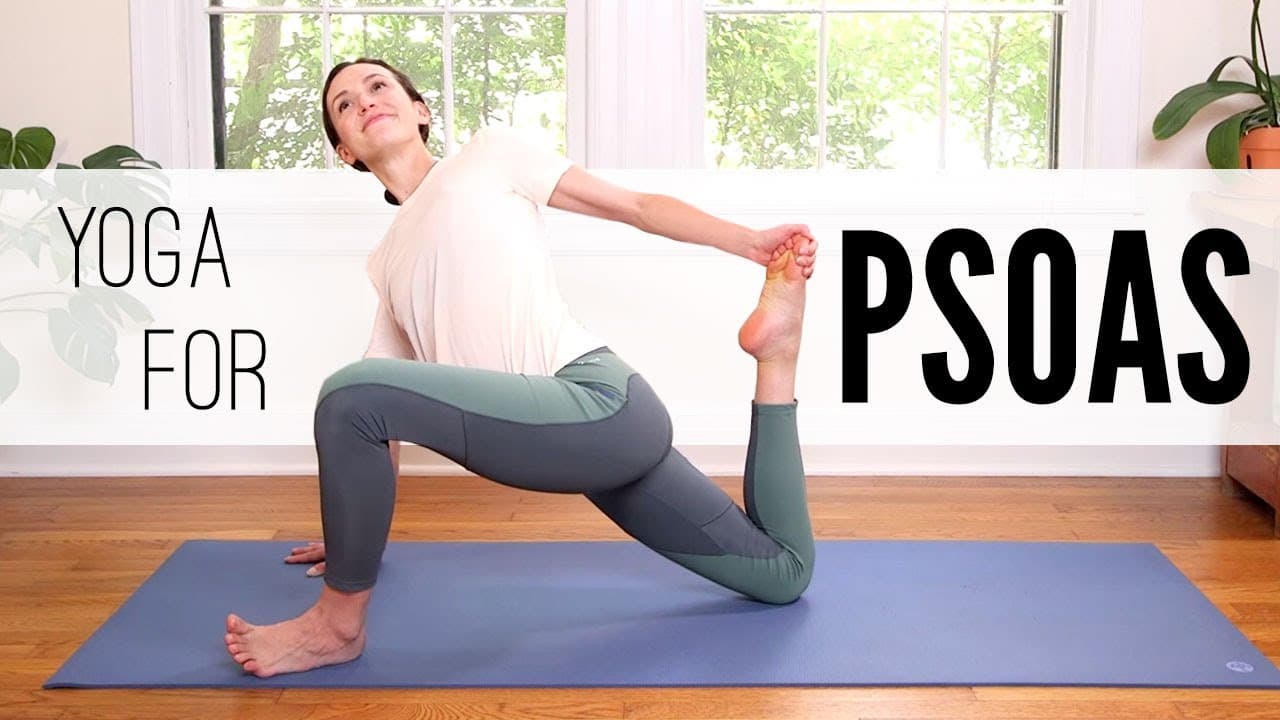
The practice focuses on stretching and strengthening the psoas muscle through a series of yoga poses. It emphasizes the connection between breath and movement, encouraging mindfulness and presence. Regular practice can help alleviate back pain, hip tightness, and overall tension in the body.
Transcript
- What's up, party people? And welcome to Yoga with Adriene. I'm Adriene, and today we have an awesome yoga for the psoas. But of course, like all of our yoga it's all connected, so we're going to target a bunch of major muscle groups and open and stretch, but also strengthen and stabilize. So hop into something comfy and let's get started. (upbe... Read More
Key Insights
- The psoas muscle is a key muscle that connects the lower body to the spine.
- Stretching and strengthening the psoas can help alleviate back pain and hip tightness.
- A strong and flexible psoas contributes to overall body stability and posture.
- Mindful breathing enhances the effectiveness of yoga practice by anchoring awareness.
- Engaging the core muscles supports proper alignment and balance in yoga poses.
- Regular yoga practice can prevent tension and improve overall well-being.
- Listening to the breath helps maintain focus and presence during practice.
- The practice includes poses like Child's Pose, Tabletop, and Crescent Moon for a full-body experience.
Install to Summarize YouTube Videos and Get Transcripts
Explore YouTube Video Summarizer or Get YouTube Transcript Extractor
Questions & Answers
Q: How to stretch and strengthen the psoas muscle?
To stretch and strengthen the psoas muscle, engage in yoga poses like Extended Child's Pose, Tabletop, and Crescent Moon. These poses focus on releasing tension and building strength in the psoas. Incorporate mindful breathing to enhance the connection between movement and breath, promoting stability and reducing discomfort.
Q: What are the benefits of stretching the psoas muscle?
Stretching the psoas muscle can alleviate back pain, reduce hip tightness, and improve overall body stability and posture. A flexible and strong psoas contributes to better alignment and balance, enhancing physical performance and reducing the risk of injury. Regular stretching can also promote relaxation and reduce stress.
Q: Why is mindful breathing important in yoga practice?
Mindful breathing is crucial in yoga practice as it helps anchor awareness, maintain focus, and connect the mind to the body. By listening to the breath, practitioners can enhance the effectiveness of their movements, promoting relaxation and presence. It also supports the body's natural rhythm, aiding in stress reduction and emotional balance.
Q: What is the role of the core in yoga poses?
The core plays a vital role in yoga poses by providing stability, balance, and proper alignment. Engaging the core muscles during practice supports the spine, enhances posture, and prevents injury. A strong core also facilitates more efficient movement, allowing for deeper stretches and improved control over body mechanics.
Q: How can yoga prevent tension in the body?
Yoga prevents tension in the body by promoting flexibility, strength, and relaxation through a series of mindful movements and stretches. Regular practice helps release built-up stress in muscles, improves circulation, and encourages mindful breathing, all of which contribute to reducing physical and emotional tension and enhancing overall well-being.
Q: What are the key poses in this yoga session?
Key poses in this yoga session include Extended Child's Pose, Tabletop Position, Crescent Moon, Gate Pose, and Supine Twist. These poses focus on stretching and strengthening the psoas muscle, engaging the core, and promoting relaxation. Each pose is designed to enhance flexibility, stability, and mindful breathing, contributing to overall body wellness.
Q: How does yoga improve posture?
Yoga improves posture by strengthening core muscles, enhancing flexibility, and promoting proper alignment. Through mindful practice, yoga encourages awareness of body mechanics and alignment, reducing the tendency to slouch or adopt poor posture. Regular yoga practice helps maintain a balanced and upright posture, reducing strain on the spine and muscles.
Q: What is the importance of relaxation in yoga?
Relaxation in yoga is essential for integrating the benefits of practice, promoting recovery, and reducing stress. It allows the body to assimilate the physical and mental gains from the session, fostering a sense of calm and balance. Relaxation poses help release tension, improve circulation, and enhance the overall sense of well-being and mindfulness.
Summary & Key Takeaways
-
The yoga session targets the psoas muscle, focusing on release, strengthening, and stabilization. It includes poses like Extended Child's Pose, Tabletop, and Crescent Moon, encouraging deep breathing and mindfulness. By engaging the core and maintaining proper alignment, practitioners can enhance stability and posture, reducing back pain and hip tension.
-
Mindful breathing is emphasized throughout the practice, helping to anchor awareness and maintain focus. The session encourages participants to listen to their breath, fostering a connection between mind and body. Regular practice of this routine can prevent bodily tension and promote overall well-being.
-
The session concludes with relaxation poses like Supine Twist and a final resting pose, promoting relaxation and integration of the practice. By practicing regularly, individuals can enjoy the benefits of a flexible and strong psoas, contributing to improved posture and reduced discomfort in daily life.
Read in Other Languages (beta)
Share This Summary 📚
Summarize YouTube Videos and Get Video Transcripts with 1-Click
Try YouTube Summary with ChatGPT & Claude or YouTube Transcript Generator
Explore More Summaries from Yoga With Adriene 📚


Summarize YouTube Videos and Get Video Transcripts with 1-Click
Try YouTube Summary with ChatGPT & Claude or YouTube Transcript Generator