Bumble CEO and Founder on Connecting during COVID-19 | How I Built This with Guy Raz | NPR

TL;DR
Human connection became more important during COVID-19, and Bumble saw a large increase in activity even when people could not meet normally. Its existing in-app video chat offered a practical way to assess compatibility, reduce awkward first meetings, and plan safer future activities, while the platform continued emphasizing women’s initiative, safety, kindness, empowerment, and accountability.
Transcript
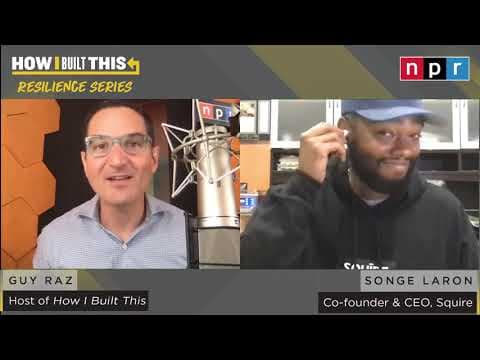
hello and welcome to how i built this resilience edition from npr this is where we're talking about how entrepreneurs are building resilience during this challenging time if you've joined us before you might notice a slightly different background i'm not in my orange studio i'm in a gray studio because uh normally i'm in i'm in the bay area where i... Read More
Key Insights
- Human connection remains important during a crisis, according to Whitney Wolfe Herd, because needs for love, friendship, and overall connectivity do not disappear when normal social activity is disrupted. Bumble’s large increase in activity during COVID-19 supported the company’s belief that these needs can become more critical.
- Bumble’s heterosexual dating system requires the woman to initiate a conversation after a mutual match. The design challenges the longstanding expectation that men must make the first move and gives women greater control over whether and how an interaction begins.
- Repeated rejection can contribute to harmful online behavior when users interact through profiles without a strong sense of accountability. Wolfe Herd argues that expecting men to initiate every exchange exposes them to frequent nonresponses, which can develop into hostility, harassment, or abuse directed at women.
- Women making the first move can reduce the rejection dynamic at the beginning of a matched conversation. Bumble presents this mechanism as a way to encourage confidence, protect women, increase accountability, and create kinder interactions without positioning women above men.
- Bumble is a broad connections platform rather than only a dating service. After launching its dating app in 2014, the company observed demand from women who also wanted to find friends and develop business relationships within an environment they considered safe and encouraging.
- Safety, empowerment, kindness, and accountability form the stated foundation of Bumble’s different connection services. These principles support dating, platonic friendship, and business networking while preserving the company’s focus on giving women greater confidence and control in digital interactions.
- In-app video chat was available on Bumble before COVID-19 but previously received moderate to low use. The pandemic made the feature more relevant because users needed a way to meet, converse, and evaluate potential relationships without immediately gathering in coffee shops, restaurants, or other public settings.
- Video conversations can improve preparation for an eventual in-person date by revealing whether two people share interests or want to continue talking. They may help users avoid an unsuitable first meeting, skip an awkward introductory setting, or identify activities such as walking, dining, or cycling together.
Install to Summarize YouTube Videos and Get Transcripts
Explore YouTube Video Summarizer or Get YouTube Transcript Extractor
Questions & Answers
Q: How did Bumble respond to dating during COVID-19?
Bumble relied on its existing in-app video chat to help people connect when normal dating was restricted. The company had introduced the feature before COVID-19, although its earlier use was moderate to low. During the crisis, remote conversation became much more relevant, and Bumble observed a large surge in overall activity rather than the collapse its team initially feared.
Q: Why does Bumble let women make the first move?
Bumble requires women to initiate heterosexual conversations after a mutual match to change the traditional expectation that men must always act first. Whitney Wolfe Herd says the approach gives women more control, safety, and confidence. She also argues that distributing the risk of initiation differently can reduce rejection-driven bad behavior and create kinder, more accountable exchanges for everyone.
Q: How does Bumble work for heterosexual matches?
A user downloads Bumble and creates a profile to seek connections. When a woman and man mutually match while looking for a heterosexual relationship, only the woman can initiate their conversation. The platform is also open to people of all orientations, but the women-first rule described by Wolfe Herd specifically concerns heterosexual matches between women and men.
Q: Why can rejection lead to bad behavior online?
Whitney Wolfe Herd argues that traditional expectations place pressure on men to initiate every interaction, making repeated rejection or nonresponse likely. In a digital environment, where a profile may function as someone’s avatar and personal accountability can feel limited, that rejection may turn into hostility. Women can consequently receive harassment, abuse, and other forms of harmful behavior.
Q: How can video chat improve an online dating experience?
Video chat lets two people assess their compatibility before arranging an in-person meeting. A conversation may reveal that a match is unsuitable, helping both people avoid an unwanted first date. It can also reduce the awkwardness of meeting a stranger in a crowded coffee shop and help users discover shared interests before choosing dinner, a walk, or a bike ride.
Q: Why did Bumble activity increase during COVID-19?
Bumble saw a large surge in activity because the desire for love, friendship, and human connection continued even while people were isolated and ordinary dating was restricted. Wolfe Herd says crises do not eliminate the need for connection and may make it more important. Bumble’s remote communication tools gave users a way to pursue that connection without immediately meeting in person.
Q: What services does Bumble offer beyond dating?
Bumble expanded from its original dating app into a broader platform for different kinds of connections. Wolfe Herd says women expressed a strong desire to use the same environment for finding platonic friends and developing business networks. These services retain the company’s stated foundation of safety, empowerment, kindness, and accountability rather than treating connection as exclusively romantic.
Q: How did Whitney Wolfe Herd approach resilience during the pandemic?
Whitney Wolfe Herd focused on controlling her daily attitude because many external circumstances were beyond her control. She acknowledged that pandemic life was stressful, overwhelming, and nerve-racking, but identified time with her baby as a meaningful benefit. She also found comfort in the idea that people around the world were experiencing a shared struggle despite their physical isolation.
Summary
In this episode of "How I Built This - Resilience Edition" from NPR, host Guy Raz interviews Whitney Wolfe Herd, the CEO and founder of Bumble, a dating app where women make the first move. They discuss how Bumble has adapted to the COVID-19 pandemic, the trends they have observed in online dating, and how Bumble is working to make online dating safer. Wolfe Herd also shares success stories from Bumble users and talks about the future of the company.
Questions & Answers
Q: Can you explain how Bumble works?
Bumble is a dating app that allows women to make the first move. When a woman and a man match, only the woman can initiate the conversation. This flips the traditional dating dynamic and empowers women to take control. Bumble has expanded beyond dating and now facilitates all kinds of connections, including friendships and business networking.
Q: How did Bumble adapt to the COVID-19 pandemic?
Bumble saw a surge in activity during the pandemic as people sought to connect digitally. They had already implemented in-app video chatting, which became increasingly popular during this time. People started spending more time video chatting and getting to know each other before deciding to meet in person. This shift has led to more meaningful connections and reduced the casual, transactional culture of dating.
Q: Have physical meetings declined during the pandemic?
Yes, physical meetings have declined during the pandemic due to safety concerns. However, the meetings that do happen tend to be more meaningful. People are spending more time getting to know each other digitally through video and audio chats. They are even organizing virtual dinner parties or movie nights to deepen their connection before meeting in person.
Q: Will video chatting become the bedrock of online dating in the future?
Video chatting is becoming increasingly important in online dating. Bumble believes that getting to know each other through video chats before meeting in person leads to a higher success rate when it comes to forming meaningful relationships. This approach allows for more extensive and detailed conversations, providing a deeper level of understanding.
Q: What precautions does Bumble take to make online dating safer?
Bumble has implemented several safety features to make online dating safer. One such feature is photo verification, where users take a real-time photo to ensure they are who they claim to be. They also have robust block and reporting features for users to feel safe and report any uncomfortable or risky behavior. Bumble takes these reports seriously and has a dedicated team to investigate and take appropriate action.
Q: How has the pandemic affected Bumble's business?
Bumble has been a durable business throughout the pandemic. While they have made some adaptations and tweaks, their digital nature has helped them weather the challenges better than some other businesses. They have seen an increase in usage and have been able to hire to meet the increase in demand. Bumble's focus on connection and the need for human connection during challenging times has allowed them to maintain motivation and morale.
Q: Are people building deeper relationships digitally without meeting in person?
While people are engaging in more digital communication, the ultimate goal is still to meet in person. The difference now is that people are taking more time and effort to get to know each other before meeting face-to-face. This foundation of digital connection has actually increased the success rate and led to more meaningful relationships as people put in the effort to establish a deeper connection before taking the next step.
Q: What advice do you have for someone who struggles with dating in real life?
Bumble can be a helpful tool for those who struggle with dating in real life. It takes the pressure off and allows users to put their best foot forward. Bumble's unique features allow users to be explicit about their preferences and filter potential matches accordingly. The app provides a platform for more thoughtful and intentional connections, which can increase the likelihood of success.
Q: What is Bumble's approach to privacy and protecting user information?
Bumble prioritizes user privacy and takes measures to protect personal information. They have stringent policies in place to prevent any unauthorized sharing or misuse of user data. Bumble is committed to creating an accountable ecosystem and ensuring the safety and security of its users.
Q: Have you seen any stories of love and success during the pandemic?
Bumble has been witness to many heartwarming success stories during the pandemic. One particular favorite story involved an older man and woman who met on Bumble during lockdown. They developed a strong connection through video chatting and eventually had a romantic socially distant picnic in a parking lot. Their love story has continued, and they are still together thanks to their initial connection on Bumble.
Takeaways
The COVID-19 pandemic has resulted in a surge in activity on Bumble, as people seek to connect digitally. Video chatting has become an important part of the dating process, allowing users to get to know each other better before meeting in person. This shift has led to more meaningful relationships and reduced casual, transactional dating culture. Bumble has implemented safety features such as photo verification and block/reporting options to make online dating safer. The company's focus on connection and the need for human connection during challenging times has helped them maintain motivation and adapt to the circumstances. Ultimately, Bumble aims to provide a platform for more thoughtful and intentional connections, leading to more successful relationships.
Summary & Key Takeaways
-
Bumble began as a dating app designed to change traditional expectations about who initiates heterosexual conversations. After a woman and man match, only the woman can start the exchange. Whitney Wolfe Herd says this structure gives women greater control while reducing the rejection dynamics that can contribute to harassment and other bad behavior online.
-
The company developed beyond dating into a broader connections platform for friendship and business networking. Wolfe Herd attributes this expansion to women feeling safe and encouraged within a system built around empowerment, kindness, accountability, and safety. The stated objective is not placing women above men, but equalizing a historically unbalanced relationship structure.
-
COVID-19 initially created uncertainty because ordinary dating became restricted, but Bumble experienced a large surge in activity. The company had already introduced in-app video chatting, a previously underused feature that became particularly relevant during isolation. Video conversations allowed users to connect remotely, evaluate compatibility, and prepare for more meaningful future meetings or shared activities.
Read in Other Languages (beta)
Share This Summary 📚
Summarize YouTube Videos and Get Video Transcripts with 1-Click
Try YouTube Summary with ChatGPT & Claude or YouTube Transcript Generator
Explore More Summaries from NPR 📚





Summarize YouTube Videos and Get Video Transcripts with 1-Click
Try YouTube Summary with ChatGPT & Claude or YouTube Transcript Generator