What makes Doritos crave worthy and how MSG works
TL;DR
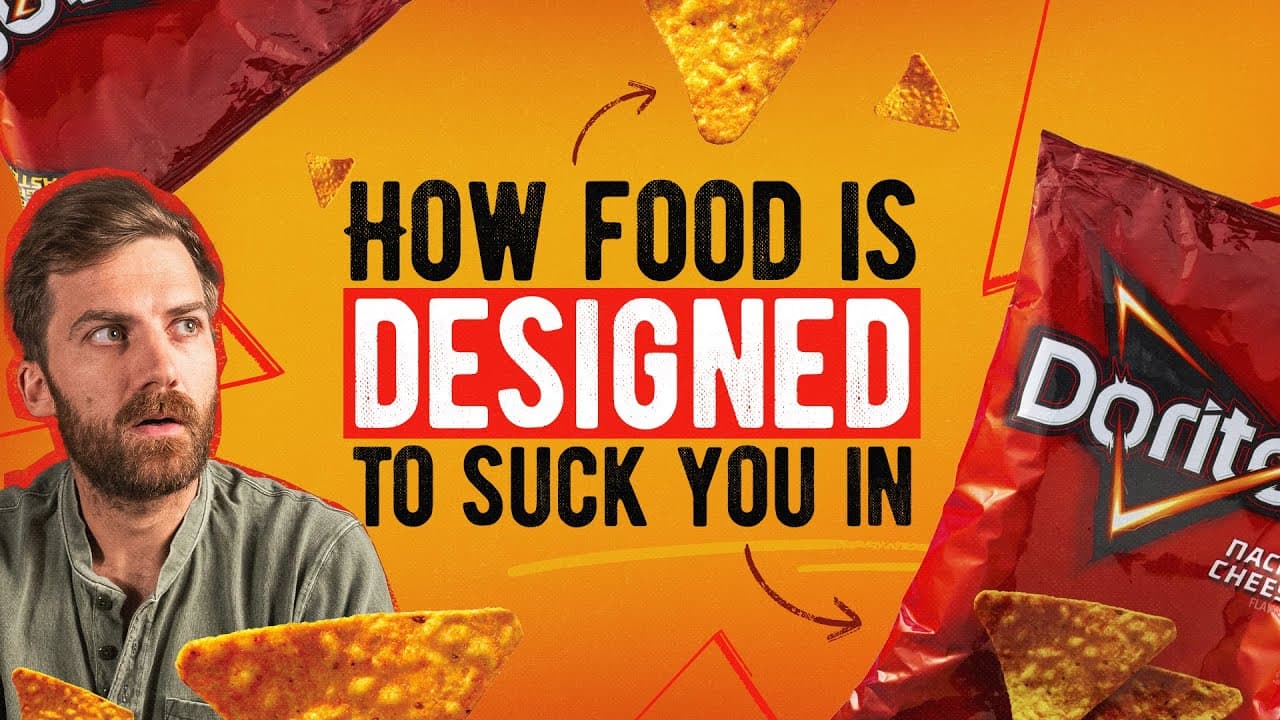
Doritos taste great because MSG enhances umami, a savory taste that makes foods feel more substantial. MSG is not essential, but it boosts flavor and can be enjoyed in moderation. The craving for Doritos breakfast links to miso and kelp derived umami, revealing how flavor science shapes everyday eating.
Transcript
(upbeat salsa dance music) (mysterious whispering) - I have a slightly complicated relationship with breakfast. (upbeat music) I (censor beep) hate American breakfast. (the word "Breakfast" echoing) So, the first meal of the day. - Breakfast.
- Breakfast. - Breakfast.
- Breakfast. - Break-fast!! - A couple of a years ago I made several videos conde... Read More
Key Insights
- Umami is a distinct taste class identified in the video as Deliciousness, driven by glutamate.
- MSG is the salt form of glutamate that enhances savory flavors in many foods, including Doritos.
- Doritos contain about 25 ingredients, with MSG as a key flavor enhancer.
- A Japanese chemist linked kelp to glutamate which led to the mass production of MSG.
- Doritos and miso soup share a common umami mechanism through glutamate.
- The craving for Doritos breakfast is explained by the brain’s response to savory flavors.
- Nutrition or health concerns around MSG are acknowledged but not deemed essential, emphasized as manageable in moderation.
- The video uses interviews and demonstrations to debunk myths and explain how flavor chemistry operates in everyday snacks.
- More videos from this channel:
- More from this channel: Johnny Harris
Install to Summarize YouTube Videos and Get Transcripts
Explore YouTube Video Summarizer or Get YouTube Transcript Extractor
Questions & Answers
Q: What is umami and why is it important in snacks like Doritos?
Umami is described as Deliciousness and is driven by glutamate, an amino acid abundant in foods such as miso, tomatoes, and cheese. The video explains that glutamate triggers a savory tasting experience that makes foods taste more substantial, which is why snacks like Doritos feel more flavorful and craveable.
Q: How does MSG relate to the flavor of Doritos?
MSG, monosodium glutamate, is the salt form of glutamate used to intensify savory flavors. The host explains that Doritos and Canadian Doritos contain MSG, which contributes to their distinctive, savory coating and helps explain the strong, lingering umami taste that makes them craveable for breakfast or any time.
Q: Why does the video discuss miso soup in relation to Doritos?
Miso soup is used as a practical example of how glutamate from kelp creates umami. The host notes the connection between miso and Doritos through the common mechanism of glutamate enhancing taste, illustrating how a traditional broth and a modern snack share the same flavor chemistry.
Q: What role did the Japanese chemist play in MSG’s history according to the video?
The video credits a Japanese chemist with discovering that glutamate from kelp enhances taste, leading to the creation of MSG as a mass produced flavor enhancer. This history helps explain how a single molecule transformed global food flavoring, affecting many savories beyond miso and snacks.
Q: How many ingredients are in a Dorito according to the video?
The host states that a Dorito contains about 25 different ingredients, with the combination of corn, spices, and a variety of additives including MSG contributing to its distinctive flavor profile.
Q: Is MSG unsafe according to the video, and how is this addressed?
The video suggests MSG is a chemical that the body can metabolize and that it is not essential but can be enjoyed in moderation. A guest mentions an external expert, Adam Ragusea, and the conversation reflects a balanced view rather than demonizing MSG, acknowledging that too much of anything is not good.
Q: What everyday foods are linked to umami beyond Doritos in the video?
Beyond Doritos, the video mentions miso, parmesan cheese, tomatoes, mushrooms, and fish sauce as common sources of umami, all tied together by the shared glutamate-based flavor enhancement which explains why these foods taste richer and more satisfying.
Q: How does flavor science influence breakfast choices in the video?
The creator links breakfast cravings to umami, arguing that savory flavors like those in Doritos and miso-based dishes trigger strong appetites in the morning. The discussion shows how engineered flavor experiences can shape daily eating habits and snack preferences.
Summary & Key Takeaways
-
The video explains that Doritos and miso benefit from umami, a savory taste discovered by a Japanese chemist who isolated glutamate from kelp. The shared mechanism is the enhancement of flavor through glutamate in various foods. The creator traces how this science influences breakfast cravings and snack choices.
-
The content connects cultural breakfast practices, snack foods, and modern food chemistry, showing how a single molecule can influence taste perception across different dishes. It also highlights that MSG is one method to achieve umami and discusses safety considerations with guests.
-
The narrative blends grocery items, interviews, and experiments to illustrate how food companies engineer taste and how audiences can recognize flavor boosters in everyday cuisine.
Read in Other Languages (beta)
Share This Summary 📚
Summarize YouTube Videos and Get Video Transcripts with 1-Click
Try YouTube Summary with ChatGPT & Claude or YouTube Transcript Generator
Explore More Summaries from Johnny Harris 📚






Summarize YouTube Videos and Get Video Transcripts with 1-Click
Try YouTube Summary with ChatGPT & Claude or YouTube Transcript Generator